A Journey Through French Military Glory: The Hôpital Militaire of Versailles
Nestled within the opulent grounds of the Palace of Versailles, a place synonymous with royal extravagance and artistic patronage, lies an unexpected treasure – the Hôpital Militaire. More than just a relic of a bygone era, this museum offers a profoundly moving and surprisingly intimate glimpse into France’s martial past, meticulously curated through a remarkable collection of monumental paintings. Initially conceived as a military hospital during the reign of Louis-Philippe, it evolved over time to become a powerful symbol of national pride, a testament to French victories, and now, a poignant reminder of the human cost of war. The museum's unique setting – juxtaposing the grandeur of Versailles with the stark realities of battlefield scenes – creates an immersive experience unlike any other.
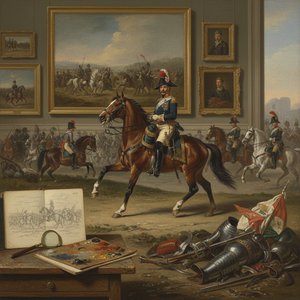
The heart of the Hôpital Militaire is undoubtedly the Gallery of Great Battles, a breathtaking 120-meter long hall dominated by thirty-three colossal paintings. These aren’t mere historical records; they are vibrant narratives, meticulously crafted by some of France's most celebrated artists during the 19th century – names like Ingres, Beauhème, and Gouvillon. Each canvas depicts a pivotal moment in French military history, spanning from the era of Clovis, the legendary founder of the Frankish kingdom, all the way to the tumultuous years of the Napoleonic Wars. The sheer scale of these works is overwhelming; they command attention with their dramatic compositions, dynamic figures, and masterful use of color and light. Beyond their historical significance, these paintings are remarkable examples of 19th-century Romanticism, reflecting the era’s fascination with heroism, sacrifice, and national identity. The artists skillfully employed a theatrical style, often employing dramatic lighting and exaggerated gestures to heighten the emotional impact of each scene – from the desperate charges of cavalry against overwhelming odds to the solemn processions of fallen soldiers.
The building itself is as much a part of the experience as the artwork it houses. Originally constructed as a military hospital in 1684, commissioned by Louis XIV and designed by Jules Hardouin-Mansart, the Hôpital Militaire’s architecture speaks volumes about its original purpose while simultaneously hinting at its later transformation. The long, grand hall was specifically engineered to accommodate these monumental paintings, creating an atmosphere of solemnity and reverence. The building's design reflects a deliberate attempt to connect military valor with national pride – a conscious effort to memorialize France’s martial achievements. Interestingly, the hospital’s history is intertwined with Dominique Larrey, the “Great Surgeon” of Napoleon’s Grande Armée, who oversaw the establishment of the hospital and played a crucial role in its evolution. The building's transformation into a gallery occurred under King Louis-Philippe, solidifying its status as a symbol of national glory following the Franco-Prussian War.
A Historical Tapestry Woven Through Time
The collection’s chronological scope is truly impressive, offering a comprehensive visual narrative of France's martial past. It’s not simply a series of battles; it’s a story of evolving military tactics, shifting alliances, and the enduring spirit of the French army. The paintings depict key events such as the Battle of Orléans during the Hundred Years’ War, the campaigns of Louis XIV against the Dutch and Spanish, and the decisive victories of Napoleon Bonaparte – including Austerlitz and Jena-Auerstedt. Each scene is meticulously researched, reflecting a deep understanding of military history and strategy. The artists didn't shy away from depicting the brutal realities of war—the carnage, the suffering, and the unwavering courage of the French soldiers.
Furthermore, the museum’s location within the Palace of Versailles adds another layer of significance to its historical narrative. Versailles itself has a rich and complex history, serving as the seat of power for centuries and witnessing countless political and social upheavals. The juxtaposition of the Hôpital Militaire – a symbol of military valor – with the opulent grandeur of the palace creates a powerful contrast, prompting visitors to reflect on the relationship between power, glory, and sacrifice. The museum’s existence is inextricably linked to the Treaty of Versailles, signed in 1919 at the Palace itself, which formally ended World War I. This connection underscores the enduring legacy of France's military past and its impact on the nation’s identity.
Artistic Significance & Notable Exhibitions
Beyond their historical importance, the paintings within the Gallery of Great Battles are significant works of 19th-century art. They represent a culmination of artistic styles and techniques prevalent during that era, reflecting the national sentiments and ideals of France at the time. The artists employed dramatic lighting, dynamic compositions, and emotionally charged subject matter to create powerful visual narratives. The use of color is particularly noteworthy—rich reds, deep blues, and vibrant yellows are used to evoke a sense of drama and intensity. The paintings’ influence can be seen in subsequent generations of military artists, solidifying their place as cornerstones of French art history.
While the Gallery of Great Battles remains the museum's centerpiece, occasional special exhibitions offer deeper insights into specific battles or historical figures depicted within the collection. These temporary exhibits often incorporate related artifacts, documents, and interactive displays, enriching the visitor experience and providing a more nuanced understanding of France’s military past. Past exhibitions have explored themes such as the role of women in warfare, the development of French military tactics, and the impact of specific battles on French society.
A Unique Experience & National Narrative
The Hôpital Militaire offers a truly immersive experience, transporting visitors back in time to witness the drama and intensity of France’s military history. The sheer scale of the Gallery of Great Battles is overwhelming, creating a sense of awe and reverence. It's more than just a museum; it’s a powerful symbol of national pride—a reminder of France’s martial past and its enduring spirit. The carefully curated narrative presented by the museum highlights key battles and historical figures, shaping a cohesive understanding of French identity.
The contrast between the palace's regal splendor and the gallery's somber atmosphere is particularly striking, prompting visitors to contemplate the complex relationship between glory and sacrifice. A visit to the Hôpital Militaire is an enriching experience for anyone interested in French history, military art, or the cultural legacy of Versailles – a testament to France’s past and its enduring spirit.