A Tapestry of Time: Exploring the German Historical Museum
The Deutsches Historisches Museum (DHM) in Berlin isn’t simply a repository for relics; it's an immersive journey through the heart and soul of Germany – a place where centuries collide, ideologies wrestle, and the echoes of the past resonate with startling clarity. Nestled within the imposing Zeughaus, a fortress-like structure dating back to the 17th century, and seamlessly connected to I.M. Pei’s strikingly modern exhibition hall, the museum presents an extraordinary dialogue between endurance and innovation. This architectural juxtaposition immediately establishes the DHM's core philosophy: that understanding the present requires acknowledging and honoring the foundations upon which it was built.
The Zeughaus itself, originally designed to house Prussian weaponry and symbols of military might, retains a powerful sense of its original purpose. Its thick brick walls and imposing presence evoke an era defined by imperial ambition – a stark contrast to the expansive glass surfaces and natural light flooding Pei’s hall. This deliberate design choice isn't merely aesthetic; it symbolizes the museum’s commitment to both preserving Germany’s heritage and embracing progress. The ongoing restoration efforts, meticulously safeguarding this emblem of resilience, underscore the DHM’s dedication to ensuring its enduring significance within Berlin’s vibrant cultural landscape.
A Nation Forged in Transformation
Stepping inside the museum is like embarking on a grand narrative – the story of German unification. This process, far from being a simple merging of states, was a period of intense nationalism, intricate political maneuvering, and profound social upheaval. The DHM doesn’t shy away from confronting the complexities of Prussia's legacy, acknowledging both its achievements and the uncomfortable truths associated with it. Yet, the narrative extends far beyond these grand historical events, delving into the lives of ordinary Germans – farmers, artisans, merchants, and laborers – whose experiences shaped the nation’s trajectory.
From meticulously preserved medieval manuscripts detailing monastic life to contemporary artworks reflecting modern societal shifts, each artifact within the museum's walls serves as a portal to understanding the human experience. The museum’s founding itself was inextricably linked to Berlin’s 750th anniversary – a deliberate act of self-reflection aimed at confronting Germany’s past and charting a course for its future. This commitment to historical context is evident throughout the collection, offering visitors a nuanced perspective on the forces that have shaped German identity.
Treasures Across Time: Highlights of the Collection
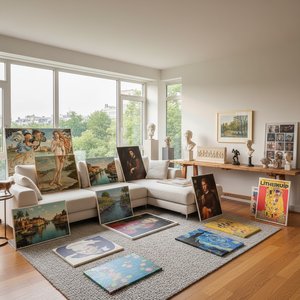
The DHM's collection is remarkably diverse, reflecting centuries of artistic and cultural development. A particular highlight lies within its holdings pertaining to the Reformation – a pivotal moment in religious reform and intellectual debate that irrevocably altered the course of European history. The museum’s extensive collection of paintings chronicles German art history from the Baroque period through the expressive fervor of Expressionism, providing visitors with a captivating visual journey through stylistic evolution. You'll find stunning examples of portraiture, landscapes, and genre scenes, each offering a glimpse into the artistic sensibilities of its time.
Beyond these highlights, the museum’s archive houses invaluable documents – political manifestos, personal letters, official records – that illuminate key moments in German history. These primary sources provide crucial context for understanding the complex social, economic, and political transformations that have shaped the nation. Don't miss the displays showcasing Prussian military uniforms, intricate weaponry, and royal regalia— tangible reminders of a powerful past.
Beyond Artifacts: A Multi-Perspective Approach
What truly distinguishes the Deutsches Historisches Museum is its unwavering dedication to presenting history from multiple viewpoints – actively encouraging visitors to question assumptions and engage in critical reflection. This ethos isn’t confined to the selection of artifacts; it's woven into the very fabric of exhibition design and interpretive materials. The museum recognizes that history isn’t a monolithic narrative but rather a constantly reinterpreted dialogue between voices, fostering an appreciation for cultural diversity and challenging conventional understandings.
The DHM’s commitment to accessibility ensures that its treasures are enjoyed by audiences of all ages and backgrounds. Temporary exhibitions regularly explore contemporary themes – from migration and diaspora to environmental challenges and artistic innovation—demonstrating the museum's relevance in a rapidly changing world. It is a place where history comes alive, inviting visitors to contemplate their own role in shaping the future.