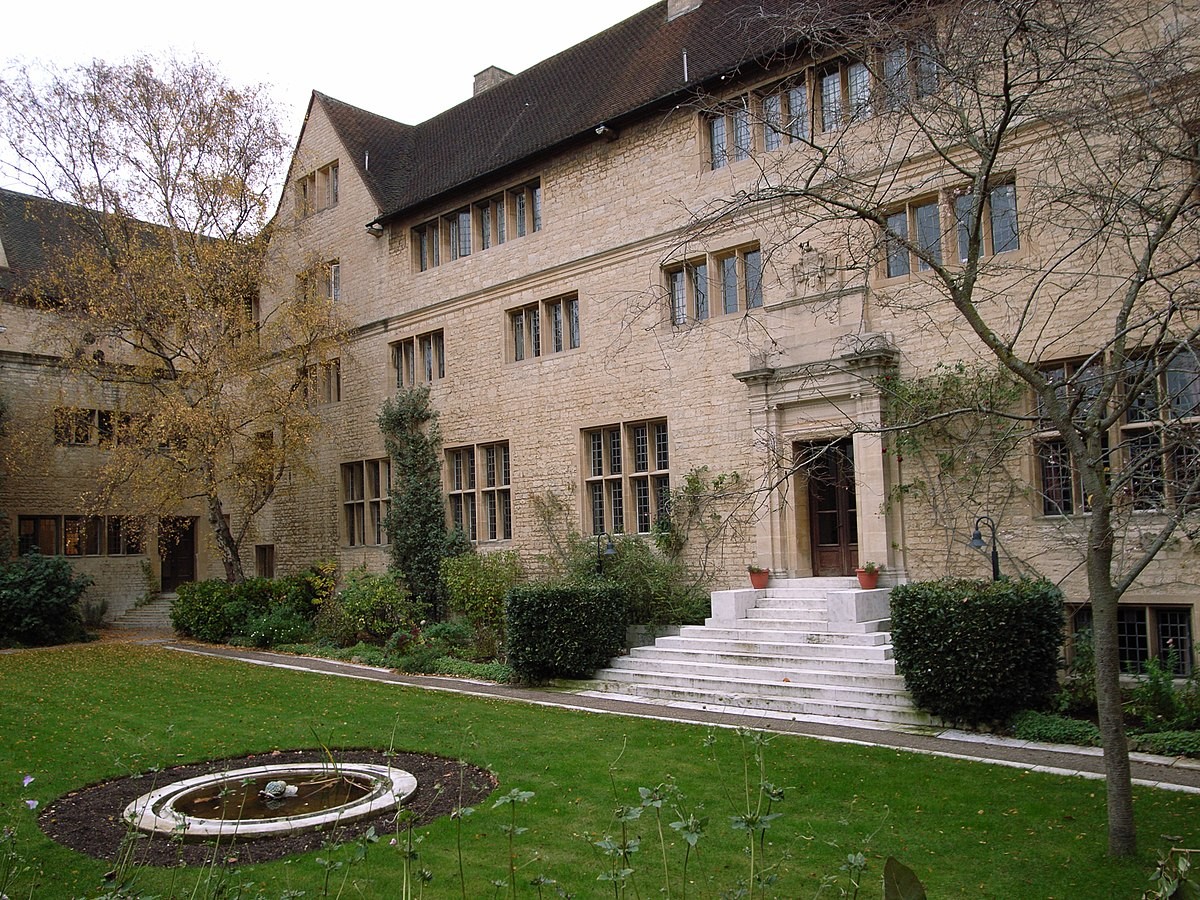
A Sanctuary of Stone and Spirit
Nestled within the historic heart of Oxford, where the venerable shadows of Christ Church and Pembroke College meet, lies Campion Hall—a place where the boundaries between architectural grandeur and spiritual devotion blur into a singular, breathtaking experience. This is not merely a constituent hall of the University of Oxford; it is a curated sanctuary, a testament to the enduring power of faith expressed through visual splendor. The very bones of the building, designed by the legendary Sir Edwin Lutyens and completed in 1936, tell a story of profound transformation. Where once the bustling trades of brewers and butchers echoed along Brewer Street, Lutyens wove together remnants of older structures, such as Micklem Hall, into a design that celebrates both continuity and innovation. Inside, sunlight dances through carefully positioned windows, illuminating a space where the weight of history feels remarkably light, inviting a quiet contemplation that is rare in our modern age.
A Tapestry of Devotion and Detail
To step into the halls of Campion Hall is to embark on a journey through six centuries of religious artistry, a collection brought to life largely by the discerning eye of Father Martin D’Arcy in the 1930s. The collection serves as a window into the evolution of the human soul, moving from the solemn piety of the Medieval era to the dramatic, emotive intensity of the Baroque. One cannot wander these halls without being arrested by the profound spiritual symbolism found within each frame and sculpture. Michelangelo’s Venusti Crucifixion stands as a monumental centerpiece, embodying the technical virtuosity and deep theological resonance of the Renaissance. Similarly, the Northern Renaissance masterwork, Quinten Massys’ Christ as Redeemer , offers an intimate encounter with divine grace; its intricate details and symbolic use of light capture the viewer in a moment of silent prayer. For the collector or interior designer, these pieces represent far more than mere decoration; they are anchors of profound historical and emotional depth that can transform any space into one of reverence.
The Intersection of Intellect and Beauty
Beyond its physical treasures, Campion Hall remains a living institution, where Jesuit scholarship and artistic exploration continue to intertwine. It is a place where the intellectual rigor of the Society of Jesus meets the aesthetic sublime, fostering an environment where art is not just observed but experienced as a form of prayerful study. This unique atmosphere—a blend of Lutyens’ architectural vision and a curated legacy of masterpieces—makes Campion Hall a vital node in Oxford’s broader artistic landscape. Whether one is exploring the nearby treasures of the Ashmolean or seeking solace within these walls, the Hall offers a profound reminder that beauty has always been a primary vehicle for expressing the most fundamental truths of our existence.