



En kongelig residens dypt forankret i historien: Avdukingen av Buckingham Palace
Buckingham Palace er ikke bare en bygning; det er et evigvarende symbol på det britiske monarkiet, tradisjon og nasjonal identitet – et levende vitnesbyrd om århundrer med kongelig historie og kunstnerisk mesenatvirksomhet. Å tre gjennom de storslåtte dørene er som å reise tilbake i tid, der man møter ekkoene av utallige kroninger, feiringer og stille øyeblikk innenfor sine overdådige vegger. Opprinnelig tenkt som et beskjedent byhus for Hertugen av Buckingham i 1703, har palasset gjennomgått en dramatisk evolusjon, formet av ambisiøse monarker, visjonære arkitekter og en uovertruffen kunstsamling samlet gjennom generasjoner. I dag står det både som en aktiv kongelig residens og et nitidig kuratert museum, som tilbyr besøkende et sjeldent innblikk i livene til de som har formet Storbritannias fortid.
Palassets arkitektoniske reise er i seg selv en fascinerende fortelling. Kjernestrukturen, ervervet av Georg III i 1761, ble gradvis transformert under ledelse av de anerkjente arkitektene John Nash og Edward Blore i løpet av det 19. århundre. De omformet mesterlig bygningen til den ikoniske fasaden vi kjenner i dag – en harmonisk blanding av nyklassisk eleganse og kongelig prakt. Østfronten, med sin umiddelbart gjenkjennelige balkong, ble et midtpunkt for kongelige fremtredener og har vært vitne til utallige øyeblikk av nasjonal betydning. Utover dette landemerket skapte Nashs tilføyelser et omfattende gårdsromskompleks som huser de statlige salene, designet for å imponere utenlandske dignitærer og være vertskap for storslått mottakelse. Palassets utvikling reflekterer ikke bare arkitektoniske trender, men også de skiftende smakene og prioriteringene til påfølgende monarker – fra de overdådige interiørene fremmet av Georg IV til den mer beherskede elegansen som ble foretrukket under senere regjeringstider.
En skattekiste av kongelig kunst: Maleri og dekorativ kunst
Buckingham Palace huser en av verdens mest betydningsfult kunstsamlinger – The Royal Collection – som strekker seg over århundrer og omfatter et pustløst mangfold av stiler og perioder. Over 7 000 malerier pryder palassets vegger og representerer et bemerkelsesverdig vitnesbyrd om kongelig mesenat og kunstnerisk smak. Samlingen inkluderer mesterverk av anerkjente europeiske kunstnere som Rembrandt, Van Dyck, Rubens, Canaletto og mange andre, der hvert verk tilbyr et unikt vindu inn i de tidligere monarkenes smaker og preferanser. Disse verkene er ikke bare dekorative; de representerer betydelige kulturelle og historiske artefakter som reflekterer det skiftende kunstneriske landskapet i Europa.
Utover maleriene strekker palassets samling seg til et imponerende utvalg av dekorativ kunst og møbler. Fra intrikat utskårne sølvgjenstander og porselen fra Kina og Japan til utsøkte gobeliner og antikke klokker, forteller hver gjenstand en historie – en refleksjon av kongelig smak, håndverk og internasjonale relasjoner. Samlingen er et bevis på palassets rolle som et sentrum for innsamling og bevaring av kunstneriske skatter gjennom historien.
Bemmerkelsesverdige kunstnere i samlingen:- Rembrandt van Rijn: Kjent for sin dramatiske bruk av lys og skygge, tilbyr Rembrandts portretter intime glimt inn i det europeiske aristokratiets liv.
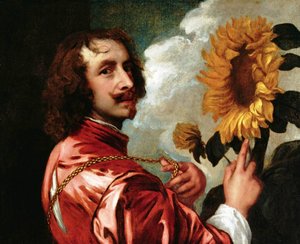
- Anthony Van Dyck: En ledende portrettmaler fra den elizabethanske æra; Van Dycks verk fanger kongelighetens eleganse og ynde.
- Peter Paul Rubens: Feiret for sine dynamiske komposisjoner og levende farger, eksemplifiserer Rubens' malerier barokkens kunstferdighet.
Et levende palass: Seremonier, tradisjon og kongelig liv
Buckingham Palace er mer enn bare et museum; det forblir en aktiv kongelig residens – et fungerende knutepunkt for nasjonallivet. Palasset er vertskap for utallige statlige anledninger, seremonielle begivenheter og vaktskifter som tiltrekker seg folkemasser fra hele verden. Å være vitne til at disse tradisjonene utspiller seg innenfor palassets vegger, gir en unik mulighet til å knytte bånd til Storbritannias rike kulturarv.
Den årlige sommeråpningen gir publikum tilgang til de statlige salene og tilbyr en uovertruffen sjanse til å utforske disse storslåtte rommene og beundre deres overdådige interiør. Utover dette arrangementet kan besøkende oppleve det kongelige livets prakt gjennom guidede turer, utdanningsprogrammer og spesialutstillinger som går dypere inn i aspekter ved den kongelige samlingen og kongelig historie. Palassets rolle som et sentrum for nasjonale feiringer – fra jubileer til minnemarkeringer – understreker dets vedvarende betydning i det britiske samfunnet.
Utenfor murene: Arkitektonisk kontekst og historisk betydning
For å fullt ut kunne verdsette Buckingham Palace, er det avgjørende å forstå dets historiske kontekst i London. Opprinnelig bygget som et stort byhus i 1703 for Hertugen av Buckingham, var stedet privat eid i århundrer før det ble ervervet av Georg III. De påfølgende transformasjonene utført av arkitektene John Nash og Edward Blore omformet dramatisk bygningen til det ikoniske palasset vi kjenner i dag. Palassets plassering i City of Westminster – et historisk sentrum for regjering og kongelig makt – forsterker ytterligere dets betydning som et symbol på britisk styresett.
Videre er Buckingham Palace uadskillelig knyttet til Londons bredere historie. Selve byen har utviklet seg gjennom årtusener, formet av romerske bosetninger, middelalderens laug og den viktorianske industrialiseringen. Palassets tilstedeværelse i dette dynamiske urbane landskapet understreker dets rolle som både et historisk landemerke og et levende sentrum for samtidslivet.


