


1


Oppdatert November 2026 · rangert etter vår popularitetsscore (søk, besøk og bestillinger for hvert verk) · 23 verk av William Hart i vår katalog
Kort fortalt
Av alle originalverkene William Hart etterlot seg, er det mest kjente Hudson River Landscape (1854). Like bak følger Tivoli Falls (1851) og Rocky Coast at Sunset (1860). Vår katalog inneholder 23 verk av William Hart; galleriet har bevart de 22 verkene som verden beundrer mest, hver vist med sin dato, sitt museum og sin historie.


 Cows in the Meadow1878
12
 Hudson River Landscape1879
13
 Scene at Napanoch1883 · Metropolitan Museum of Art
14
 Cattle and Landscape1880 · Centennial One Object Exhibit
15
 Grand manan
16
 New London, Connecticut
17
 Fields in Summer
18
 Near Tappan Zee, New York
19
 View of New Hampshire
20
 Sunset over the Lake
21
 Summer stream
22
 Woodland scene
De fire motivene som går igjen hyppigst i disse originalverkene, hver med sitt fremste eksempel.
De 4 museene som innehar flest av maleriene på denne siden.
| Museum | By | Verker av William Hart | Malerier fra denne listen |
|---|---|---|---|
 Albany Institute of History - Art |
Albany | 1 | Tivoli Falls |
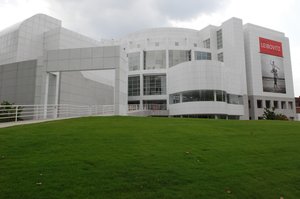 High Museum of Art |
Atlanta | 1 | The Last Gleam |
 Metropolitan Museum of Art |
New York | 1 | Scene at Napanoch |
 Centennial One Object Exhibit |
Unknown | 1 | Cattle and Landscape |
William Harts daterte verk i dette utvalget dekker kun 6 år, fra 1878 til 1883: en kort karriere, vist her år for år.
Velg et år for å se originalverkene.


This painting hangs in the dining room of Thomas Edison

William Hart's "Scene at Napanoch," painted in 1883, isn’t merely a landscape; it’s a carefully constructed tableau of rural life imbued with a profound sense of quiet observation and the subtle melancholy inherent in capturing a fleeting moment. This Hudson River School masterpiece, housed within The Metropolitan Museum of Art in New York City, offers a glimpse into a bygone era – a time when America was still grappling with…
Hudson River Landscape (1854). Deretter følger Tivoli Falls (1851) og Rocky Coast at Sunset (1860).
Hudson River Landscape, Tivoli Falls, Rocky Coast at Sunset, On the Maine Coast, Study for View of the Valley of the White Mountains, New Hampashire, 1857''', Harvest Scene - Valley of the Delaware, Sunset in the Valley, The Last Gleam, The Land, Keene Valley og Deer in the Adirondacks. Rangeringen ovenfor viser årstall og museum for hvert verk.
Vår katalog inneholder 23 verk av William Hart, datert fra 1878 til 1883.
Hovedsakelig i Albany Institute of History - Art (Albany), High Museum of Art (Atlanta) og Metropolitan Museum of Art (New York). Museumslisten ovenfor viser alle.
I 1878: 3 av de 22 verkene på denne siden ble laget da, The Land, Keene Valley av dem.
På denne siden er det eldste The Land, Keene Valley (1878) og det nyeste Scene at Napanoch (1883).
Landscape (4), Sunset (3) og Usa (3), fordelt på 22 verk på denne siden.
Hudson river school, basert på originalene på denne siden.


