


1

Oppdatert November 2026 · rangert etter vår popularitetsscore (søk, besøk og bestillinger for hvert verk) · 11 verk av Will Maclean i vår katalog
Kort fortalt
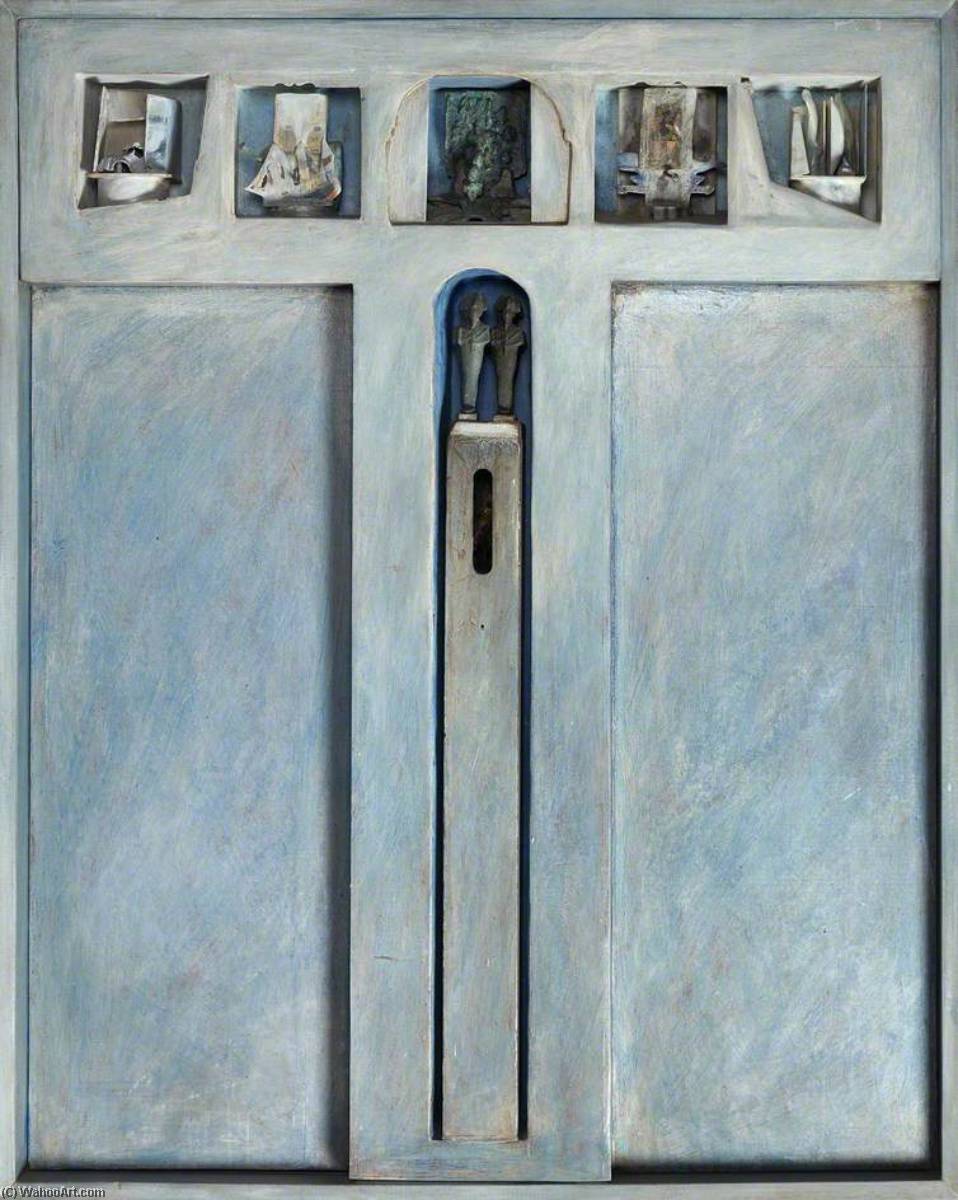
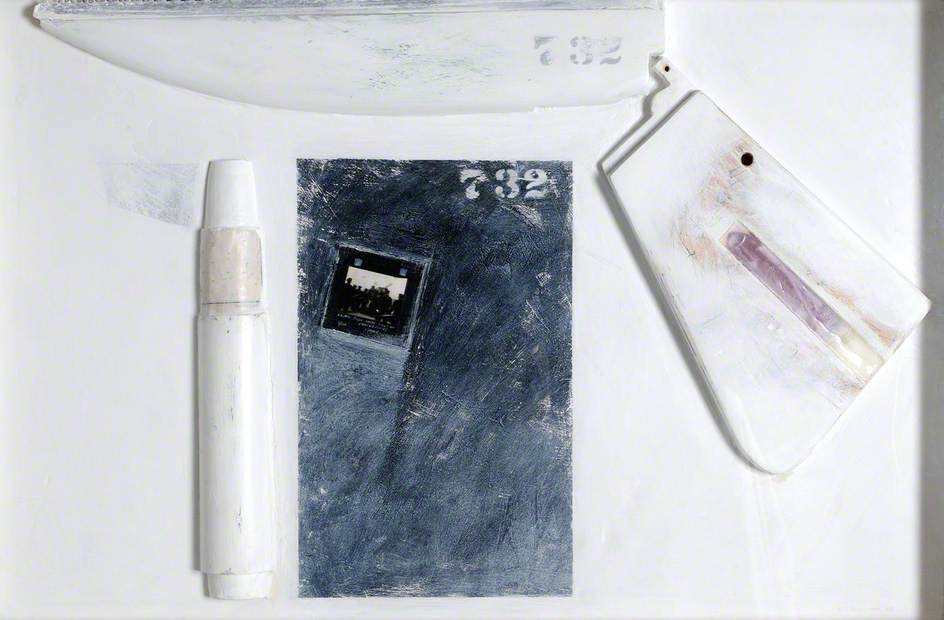
Av alle originalverkene Will Maclean etterlot seg, er det mest kjente Boston 'T' (1989), som er en del av samlingen til Royal Scottish Academy of Art - Architecture i Edinburgh. Like bak følger Postcard Series Number 2, Marché de Puce (1991) og Skye Collage Study (1997). Vår katalog inneholder 11 verk av Will Maclean; galleriet har bevart de 11 verkene som verden beundrer mest, hver vist med sin dato, sitt museum og sin historie.




De 3 museene som innehar flest av maleriene på denne siden.
| Museum | By | Verker av Will Maclean | Malerier fra denne listen |
|---|---|---|---|
 Scottish National Gallery of Modern Art |
Edinburgh | 2 | BRD 332, Oil Rig |
 Royal Scottish Academy of Art - Architecture |
Edinburgh | 1 | Boston 'T' |
 The Fleming Collection |
London | 1 | Red Ley Marker |
Velg et tiår for å se originalverket som definerer det.
Boston 'T' (1989), Royal Scottish Academy of Art - Architecture, Edinburgh. Deretter følger Postcard Series Number 2, Marché de Puce (1991) og Skye Collage Study (1997).
48 år gammel: Boston 'T' er fra 1989, og Will Maclean ble født i 1941.
Boston 'T', Postcard Series Number 2, Marché de Puce, Skye Collage Study, BRD 332, In the Memory of Gannets for Angus Martin, Navigator's Museum Instructions for Coast Watchers (2), Museum of Zoology – Skull Notes, Portrait of a Polymath – D'Arcy Thompson's Daybook, Museum Collage for D'Arcy Thompson og Red Ley Marker. Rangeringen ovenfor viser årstall og museum for hvert verk.
Vår katalog inneholder 11 verk av Will Maclean, datert fra 1989 til 2009.
Hovedsakelig i Scottish National Gallery of Modern Art (Edinburgh), Royal Scottish Academy of Art - Architecture (Edinburgh) og The Fleming Collection (London). Museumslisten ovenfor viser alle.
I 2000s: 5 av de 11 verkene på denne siden ble laget da, In the Memory of Gannets for Angus Martin av dem.
På denne siden er det eldste Boston 'T' (1989) og det nyeste Museum Collage for D'Arcy Thompson (2009).
BRD 332 og Oil Rig: Scottish National Gallery of Modern Art, Edinburgh har 2 av verkene på denne siden.
Will Maclean, born in Inverness in 1941 and still actively creating today, is a singular figure in contemporary British art. More than simply an artist, he’s a chronicler of the Scottish Highlands—a region deeply ingrained within his DNA and inextricably woven into the fabric of his work. His distinctive style, characterized by intricate ring-net drawings and monumental landscape sculptures, isn't merely representation; it’s a profound meditation on tradition, memory, and the enduring relationship between humanity and the natural world. Maclean’s journey began far from the rugged beauty he would later immortalize, shaped by formative experiences at sea that fundamentally altered his artistic trajectory.
Maclean's early life was steeped in the rhythms of Gaelic culture and maritime tradition. Born into a family with strong Highland roots, he spent his youth absorbing the lore and customs of the region. Crucially, he began working as a ring-net fisherman at the age of 18, an experience that proved transformative. This period—a demanding, solitary existence aboard small boats hauling herring nets—became the bedrock for his most celebrated work: the “Ring-Net Project.” Over four decades, Maclean meticulously documented this life through over 400 drawings, capturing not just the physical act of fishing but also the profound connection between man and sea. These drawings aren’t static images; they pulse with movement, texture, and a palpable sense of the fisherman's world—the spray of the waves, the creak of the nets, the weathered faces of his fellow workers. The Ring-Net Project wasn’t simply an artistic endeavor; it was a deeply personal act of remembrance, preserving a vanishing way of life.
Following the success of the Ring-Net drawings, Maclean turned his attention to sculpture. His monumental works—often constructed from driftwood, stone, and other locally sourced materials—are rooted in the same spirit of observation and reverence that informed his drawings. These sculptures aren’t abstract forms; they are evocative representations of Highland landscapes—rolling hills, windswept moors, and dramatic coastlines. Maclean's process is deliberate and painstaking, mirroring the slow, patient rhythms of nature itself. He often incorporates elements of traditional Highland craft – weaving, knotting, and carving – into his sculptures, creating a dialogue between ancient techniques and contemporary forms.
A particularly significant example of this approach is “Suileachan,” a large-scale sculpture commissioned for the Isle of Lewis. This work, created in collaboration with his wife, Marian Leven, embodies Maclean’s core themes: memory, connection to place, and the enduring power of tradition. The project involved not only the creation of the sculpture itself but also the training of local craftspeople, ensuring that it would become an integral part of the island's cultural landscape. His work is often described as a “narrative” – a visual storytelling rooted in his personal experiences and the history of the Highlands.
Maclean’s artistic achievements have been widely recognized with numerous accolades, solidifying his position as one of Scotland's most respected contemporary artists. He was elected to the Royal Scottish Academy in 1991, a prestigious honor recognizing his contributions to the arts. He received an MBE (Member of the Most Excellent Order of the British Empire) in 2005 for his services to education and the arts, further cementing his standing within the cultural community. His work has been exhibited extensively throughout Scotland and internationally, including solo shows at prestigious galleries such as the Scottish National Gallery of Modern Art and Dundee Contemporary Arts.
Beyond his individual achievements, Maclean’s influence extends to a broader understanding of Highland culture and identity. He has played a vital role in preserving traditional skills and practices, while simultaneously pushing the boundaries of contemporary art. His work serves as a powerful reminder of the importance of remembering our past—not just through historical records but also through the embodied experiences and artistic expressions of those who have lived within it.
For more information on Will Maclean's work, we recommend visiting these resources: