Kort fortalt
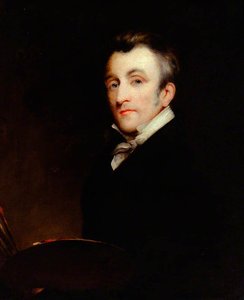
I galleriets øyne er Thomas Ellerbys mest kjente maleri Sir Francis Chantrey (1781–1841) (1821). George Nicholson (1828) og John Wilson Carmichael (1799–1868) (1839) fullfører trioen som alle kjenner igjen. Av de 6 verkene til Thomas Ellerby i vår katalog, presenterer galleriet de 6 mest kjente nedenfor; hvert originalverk med årstall, museum og hva som gjør det unikt.
Galleriets 10 beste malerier av Thomas Ellerby
Motivene som fanget Thomas Ellerbys blikk
De fire motivene som går igjen hyppigst i disse originalverkene, hver med sitt fremste eksempel.
Dignified 2 verk
Museene som har Thomas Ellerbys originalverk
De 2 museene som innehar flest av maleriene på denne siden.
| Museum | By | Verker av Thomas Ellerby | Malerier fra denne listen |
|---|---|---|---|
| Hull | 2 | Elizabeth Jane Gee (b.1812), Joseph Gee (1802–1860), of Cottingham House | |
| Newcastle upon Tyne | 1 | John Wilson Carmichael (1799–1868) |
Thomas Ellerby, ett signaturmaleri per tiår
Thomas Ellerbys malerier: galleriets svar
Hvilket maleri av Thomas Ellerby er det mest kjente av alle?Avslør svaret
Sir Francis Chantrey (1781–1841) (1821). Deretter følger George Nicholson (1828) og John Wilson Carmichael (1799–1868) (1839).
Hvor mange verk skapte Thomas Ellerby?Avslør svaret
Vår katalog inneholder 6 verk av Thomas Ellerby, datert fra 1821 til 1841.
Hvor henger de mest kjente originalverkene til Thomas Ellerby?Avslør svaret
Hovedsakelig i Ferens Art Gallery (Hull) og Laing Art Gallery (Newcastle upon Tyne). Museumslisten ovenfor viser alle.
Når malte Thomas Ellerby sine mest kjente malerier?Avslør svaret
I 1820s: 2 av de 6 verkene på denne siden ble laget da, Sir Francis Chantrey (1781–1841) av dem.
Hvilke er Thomas Ellerbys tidligste og nyeste berømte verk?Avslør svaret
På denne siden er det eldste Sir Francis Chantrey (1781–1841) (1821) og det nyeste Elizabeth Jane Gee (b.1812) (1841).
Hvilke originalverk av Thomas Ellerby har Ferens Art Gallery i sin samling?Avslør svaret
Elizabeth Jane Gee (b.1812) og Joseph Gee (1802–1860), of Cottingham House: Ferens Art Gallery, Hull har 2 av verkene på denne siden.
Thomas Ellerby: kunstneren
Thomas Ellerby: A Portraitist of Regency London
Thomas Ellerby (10 January 1797 – 4 April 1861) emerged as a prominent figure in the artistic landscape of Victorian England, primarily recognized for his captivating portraits that graced the halls of The Royal Academy and captured the spirit of the era. Born at Low Pasture Farm, Welburn, Kirkbymoorside, Ellerby’s early life instilled within him an appreciation for observation and meticulous detail—qualities that would become hallmarks of his artistic practice. By 1824, he had relocated to London, establishing himself in Hatton Gardens and swiftly gaining acceptance into the prestigious Royal Academy, marking a pivotal moment in his burgeoning career.- Early Influences & Training: Ellerby’s formative years were shaped by exposure to influential artistic currents of the time, notably Neoclassicism. This stylistic preference—characterized by idealized forms and restrained emotion—would profoundly impact his oeuvre, informing his approach to capturing human subjects with grace and dignity.
- Royal Academy Exhibitions: Ellerby’s dedication to artistic excellence was demonstrated through his consistent participation in Royal Academy exhibitions from 1821 until 1857. During this period, he produced an impressive collection of seventy-two paintings, cementing his reputation as a respected artist and securing his place amongst the luminaries of British Fine Art.
- Notable Commissions & Subjects: Ellerby’s artistic success stemmed from numerous commissions—primarily portraits—that showcased his skill in portraying individuals with remarkable accuracy and sensitivity. Among his subjects were distinguished figures such as Sir Francis Chantrey, a celebrated sculptor known for his monumental works; George Nicholson, a prominent geologist and naturalist; and Joseph Gee, a respected clergyman.
Technique & Artistic Style
Ellerby’s artistic technique was characterized by meticulous realism combined with subtle neoclassical elegance. He skillfully employed oil paints on canvas to achieve luminous tonal gradations and nuanced textures—techniques that conveyed both physical likeness and psychological depth within his portraits. His compositions were carefully balanced, prioritizing clarity of form and harmonious color palettes. Ellerby's mastery of light and shadow contributed significantly to the expressive power of his paintings, elevating them beyond mere representations of appearance.- Color Palette: Ellerby favored muted tones—primarily browns, creams, and ochres—to create an atmosphere of understated sophistication. These colors complemented the subjects’ features, enhancing their presence and conveying a sense of quiet contemplation.
- Brushwork: His brushstrokes were deliberate and controlled, blending seamlessly to produce smooth surfaces that captured the subtleties of skin tone and drapery folds. This meticulous attention to detail underscored his commitment to portraying human form with precision and artistry.
Legacy & Museums Collections
Thomas Ellerby’s enduring legacy resides in his contribution to British portraiture during the Regency period—a time marked by intellectual curiosity and artistic innovation. His paintings continue to be admired for their beauty, accuracy, and psychological insight. Several of Ellerby's works are housed in museums across France and England, including Cherbourg Museums and Évreux Art Collection, ensuring that his artistic achievements endure as a testament to Victorian artistry.- Cherbourg Museums: Explore Ellerby’s portrait of Sir Francis Chantrey at Cherbourg Museums—a captivating example of Neoclassical realism and masterful technique.
- Évreux Art Collection: Discover Ellerby's depiction of George Nicholson within Évreux Art Collection—a testament to his ability to convey both physical likeness and psychological depth.


