
1


Oppdatert November 2026 · rangert etter vår popularitetsscore (søk, besøk og bestillinger for hvert verk) · 2 verk av Suiō Genro i vår katalog
Kort fortalt
Etter galleriets vurdering er Suiō Genros mest kjente maleri Wild Duck Kōan (1774), hvis original henger i Los Angeles County Museum of Art, Los Angeles. Av de 2 verkene til Suiō Genro i vår katalog, presenterer galleriet de 2 mest kjente nedenfor; hvert originalverk med årstall, museum og hva som gjør det unikt.
De 2 museene som innehar flest av maleriene på denne siden.
| Museum | By | Verker av Suiō Genro | Malerier fra denne listen |
|---|---|---|---|
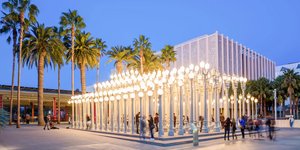 Los Angeles County Museum of Art |
Los Angeles | 1 | Wild Duck Kōan |
 Museum of Zen Buddhist Culture |
Setagaya | 1 | Ink Drawing of Bu-dai |
Hvert daterte originalverk av Suiō Genro på denne siden ble laget i 1774: her er de, med de mest kjente først.
Velg et år for å se originalverkene.
Wild Duck Kōan (1774)
57 år gammel: Wild Duck Kōan er fra 1774, og Suiō Genro ble født i 1717.
Vår katalog inneholder 2 verk av Suiō Genro.
Hovedsakelig i Los Angeles County Museum of Art (Los Angeles) og Museum of Zen Buddhist Culture (Setagaya). Museumslisten ovenfor viser alle.
Born in Tokyo in 1717, Suiō Genro’s life was inextricably linked to the profound currents of Japanese Zen Buddhism. His journey began not within a studio filled with pigments and brushes, but as a young monk at Shōinji Temple, an institution already steeped in artistic tradition. This early immersion proved pivotal, shaping his aesthetic sensibilities and ultimately defining his distinctive style. He inherited the mantle of abbot from Hakuin, a towering figure in Zen Buddhism and a renowned painter himself – a lineage that profoundly influenced Suiō Genro’s approach to art as a meditative practice.
Suiō Genro's artistic development unfolded within the framework of Shōinji Temple. He diligently studied under Hakuin, absorbing not only the technical skills of painting but also the core tenets of Zen philosophy. This wasn’t merely about replicating images; it was about capturing an essence, a fleeting moment of enlightenment reflected in the simplicity of form and line. His work is deeply rooted in *sabi*, the beauty of imperfection and transience – a concept central to Zen thought. The acceptance of age, decay, and change becomes a source of profound aesthetic appreciation.
Suiō Genro’s artistic signature lies in his masterful use of ink—a medium that perfectly embodies the spirit of Zen. His works are predominantly characterized by serene ink drawings and calligraphy, often depicting natural subjects like bamboo, flowers, and landscapes. He favored a minimalist approach, employing sparse brushstrokes to convey depth and emotion. The deliberate absence of excessive detail forces the viewer to engage with the work on a deeper level, inviting contemplation and introspection.
The technique he employed was rooted in *sumi-e*, traditional Japanese ink wash painting. He skillfully manipulated the viscosity of the ink, creating subtle gradations of tone through varying pressures and brush techniques. A key element is the use of ‘ma,’ or negative space – an equally important component as the inked areas themselves. This strategic deployment of emptiness allows the viewer’s eye to rest and contributes significantly to the overall sense of tranquility and balance. The 'Ink Drawing of Bu-dai' exemplifies this perfectly, showcasing a single bamboo stalk rendered with remarkable restraint and evocative power.
More than just beautiful images, Suiō Genro’s art serves as a visual representation of Zen Buddhist principles. His works are not intended to depict reality in its entirety but rather to capture the *koan* – paradoxical statements designed to provoke enlightenment through contemplation. The simplicity and directness of his style mirror the core tenets of Zen: emptiness, impermanence, and the importance of experiencing existence directly, without conceptual interference.
The subject matter itself often carries symbolic weight. Bamboo, for instance, is a recurring motif in Japanese art, representing resilience, strength, and flexibility – qualities highly valued within Zen Buddhism. Flowers, similarly, are seen as transient symbols of beauty and the fleeting nature of life. Through these carefully chosen subjects, Suiō Genro invites viewers to engage with profound philosophical ideas.
Suiō Genro’s contribution to Japanese art is significant not only for his individual style but also for his role in preserving and transmitting Zen aesthetics during the late 18th century. His work stands as a testament to the enduring power of art as a vehicle for spiritual exploration. While he may not be as widely celebrated as some of his contemporaries, his legacy lives on through the continued appreciation of his serene and contemplative works.
The ‘Ink Drawing of Bu-dai’ remains one of his most recognizable pieces, offering a window into the artist's mind and the profound philosophical principles that guided his creative practice. It is a work that continues to resonate with viewers today, inviting them to pause, reflect, and find their own connection to the timeless wisdom of Zen Buddhism.
