


1


Oppdatert November 2026 · rangert etter vår popularitetsscore (søk, besøk og bestillinger for hvert verk) · 59 verk av Robert Gwathmey i vår katalog
Kort fortalt
The Farmer Wanted a Boy (1942) er maleriet av Robert Gwathmey som vekker mest oppmerksomhet; originalen befinner seg i Art Institute of Chicago, Chicago. Deretter går blikket til Portrait of a Farmer's Wife (1951) og Parade (1951). Blant de 59 verkene til Robert Gwathmey i vår katalog, er disse 56 de mest kjente – hver og en et unikt originalverk presentert med sitt årstall, sitt museum og årsaken til at det består.


The Parade painting by Robert Gwathmey is a remarkable piece of art that showcases the artist's unique style and technique. Created in 1951, this watercolour painting measures 53 x 36 cm and is currently housed at the Smithsonian American Art Museum in the United States. Artist Background Robert Gwathmey was an American artist known for his bold and expressive works of art. Born in 1903, he was a prominent figure…


 Untitled (853)
12
 Untitled (574)
13
 Untitled (791)
14
 Untitled (219)
15
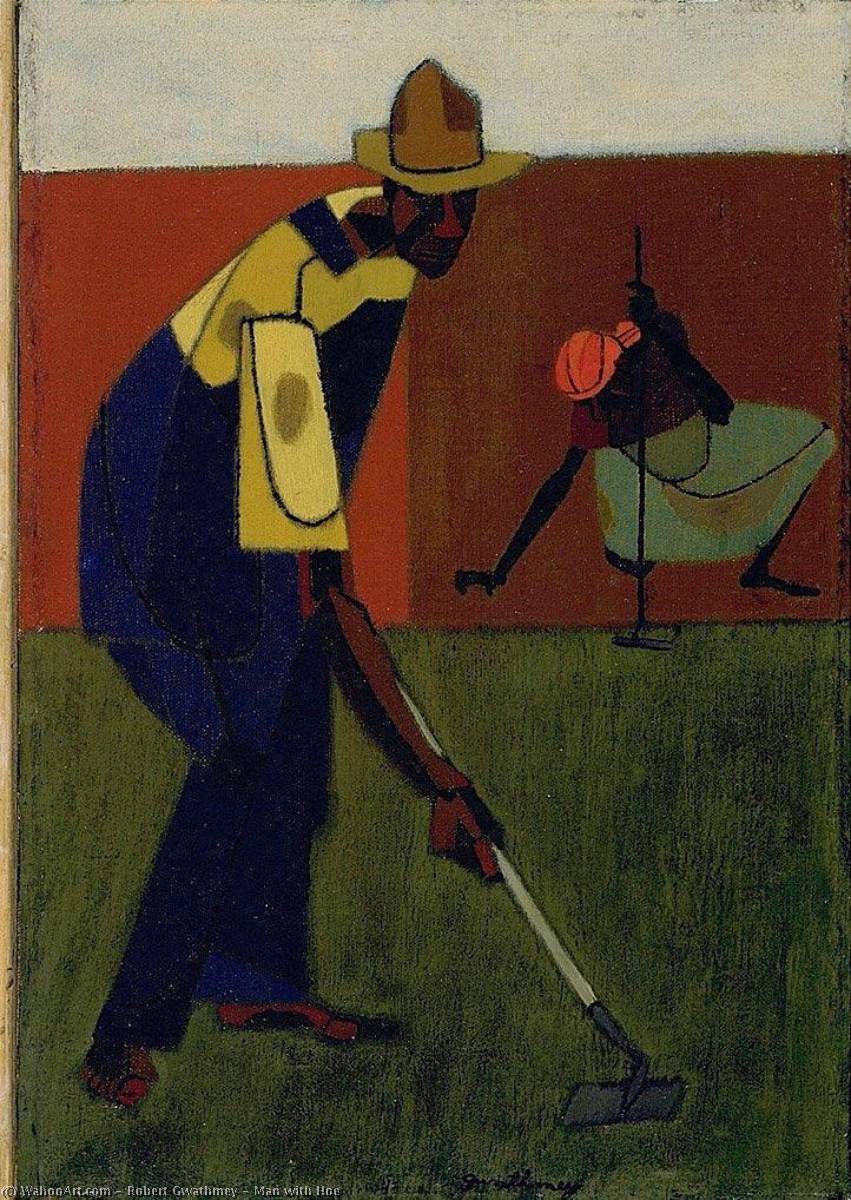
 Man with Hoe1944
16
 Singing and Mending1944
17
 Front Porch1947
18
 Poll Tax Country1945
19
 Sharecroppers and Blackberry Pickers1950
20
 Carrying the Sack1950
21
 Asleep at the Table1945 · Ogden Museum of Southern Art
22
 Untitled (813)
23
 Untitled (585)
24
 Untitled (196)
25
 Untitled (106)
26
 Untitled (721)
27
 Untitled (226)
28
 Untitled (193)
29
 Untitled (805)
30
 Untitled (561)
31
 Untitled (348)
32
 Untitled (491)
33
 Untitled (360)
34
 Untitled (416)
35
 Untitled (558)
36
 Untitled (285)
37
 Untitled (857)
38
 Untitled (207)
39
 Untitled (788)
40
 Untitled (724)
41
 Untitled (668)
42
 Untitled (655)
43
 Untitled (626)
44
 Untitled (735)
45
 Untitled (909)
46
 Untitled (968)
47
 Untitled (878)
48
 Untitled (106)
49
 Untitled (958)
50
 Untitled (857)
51
 Untitled (430)
52
 Untitled (750)
53
 Untitled (183)
54
 Untitled (229)
55
 Untitled (565)
56
 Going Home
De 2 museene som innehar flest av maleriene på denne siden.
| Museum | By | Verker av Robert Gwathmey | Malerier fra denne listen |
|---|---|---|---|
 Art Institute of Chicago |
Chicago | 1 | The Farmer Wanted a Boy |
 Ogden Museum of Southern Art |
New Orleans | 1 | Asleep at the Table |
Robert Gwathmeys daterte originaler som vises her, strekker seg over omtrent ti år, fra 1942 til 1951: øyet følger dem år for år.
Velg et år for å se originalverkene.


The Farmer Wanted a Boy (1942), Art Institute of Chicago, Chicago. Deretter følger Portrait of a Farmer's Wife (1951) og Parade (1951).
39 år gammel: The Farmer Wanted a Boy er fra 1942, og Robert Gwathmey ble født i 1903.
The Farmer Wanted a Boy, Portrait of a Farmer's Wife, Parade, Untitled (504), Untitled (978), Untitled (811), Untitled (540), Untitled (830), Untitled (598) og Untitled (389). Rangeringen ovenfor viser årstall og museum for hvert verk.
Vår katalog inneholder 59 verk av Robert Gwathmey, datert fra 1942 til 1951.
Hovedsakelig i Art Institute of Chicago (Chicago) og Ogden Museum of Southern Art (New Orleans). Museumslisten ovenfor viser alle.
I 1944: 2 av de 56 verkene på denne siden ble laget da, Man with Hoe av dem.
På denne siden er det eldste The Farmer Wanted a Boy (1942) og det nyeste Portrait of a Farmer's Wife (1951).
Social realism, basert på originalene på denne siden.