
1


Oppdatert November 2026 · rangert etter vår popularitetsscore (søk, besøk og bestillinger for hvert verk) · 24 verk av Paul Brason i vår katalog
Kort fortalt
Av alle originalverkene Paul Brason etterlot seg, er det mest kjente Philip William Bryce Lever (1915–2000), 3rd Viscount Leverhulme, KG. Like bak følger Professor Dorothy Wedderburn (1991) og Gerald Grosvenor (b.1951), 6th Duke of Westminster (1995). Vår katalog inneholder 24 verk av Paul Brason; galleriet har bevart de 24 verkene som verden beundrer mest, hver vist med sin dato, sitt museum og sin historie.


 Robert G. Beldam (1914–2003), CBE, Honorary Fellow (1995–2003)1995
12
 Canon Maurice Ridgway (1918–2002)1994
13
 David George Vaisey (b.1935)1996 · Bodleian Libraries
14
 Gerald Ball, Garage Proprietor1999 · Girton College
15
 Sir Keith Thomas (b.1933), President (1986–2000)2002
16
 Keith Gilbert Robbins (b.1940), Principal and Vice Chancellor of University of Wales Lampeter, St David's University College (1992–2003)2003
17
 Dr Michael Fopp, Director General of the Royal Air Force Museum2007
18
 Lord Wilson of Tillyorn2007 · Peterhouse
19
 Barry Everitt, Master of Downing College2007 · Paintings Owned by Colleges
20
 Professor Michael Mingos (b.1944), FRS, Principal (1999–2009)2007 · St Edmund Hall
21
 Alan and Grace Howard2010 · Paintings Owned by Colleges
22
 Professor Dame Jean Thomas2012 · st Catharine's College
23
 John Hood (b.1942)Bodleian Libraries
24
 Philip William Bryce Lever (1915–2000), 3rd Viscount Leverhulme, Chancellor of the University of Liverpool (1980–1993)
De fire motivene som går igjen hyppigst i disse originalverkene, hver med sitt fremste eksempel.
#1 Philip William Bryce Lever (1915–2000), 3rd Viscount Leverhulme, KG
 #2 Professor Dorothy Wedderburn
 #8 Brian Robert Morris (1930–2001), Lord Morris of Castle Morris
#16 Keith Gilbert Robbins (b.1940), Principal and Vice Chancellor of University of Wales Lampeter, St David's University College (1992–2003)
De 8 museene som innehar flest av maleriene på denne siden.
| Museum | By | Verker av Paul Brason | Malerier fra denne listen |
|---|---|---|---|
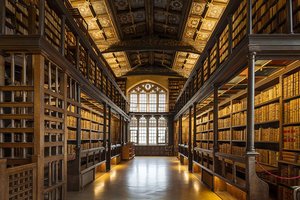 Bodleian Libraries |
Oxford | 2 | David George Vaisey (b.1935), John Hood (b.1942) |
 Paintings Owned by Colleges |
Cambridge | 2 | Barry Everitt, Master of Downing College, Alan and Grace Howard |
 Royal Holloway |
Egham | 1 | Professor Dorothy Wedderburn |
 Chester Town Hall |
Chester | 1 | Gerald Grosvenor (b.1951), 6th Duke of Westminster |
 Merton College |
Oxford | 1 | Dame Jessica Rawson, Warden |
 The University of Reading |
Reading | 1 | Ewan Page |
 Government Art Collection |
London | 1 | Brian Robert Morris (1930–2001), Lord Morris of Castle Morris |
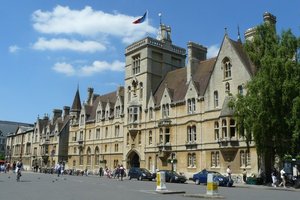 Balliol College |
Oxford | 1 | Baruch S. Blumberg |
Velg et tiår for å se originalverket som definerer det.
Philip William Bryce Lever (1915–2000), 3rd Viscount Leverhulme, KG. Deretter følger Professor Dorothy Wedderburn (1991) og Gerald Grosvenor (b.1951), 6th Duke of Westminster (1995).
Philip William Bryce Lever (1915–2000), 3rd Viscount Leverhulme, KG, Professor Dorothy Wedderburn, Gerald Grosvenor (b.1951), 6th Duke of Westminster, Dame Jessica Rawson, Warden, Brian Robert Morris (1930–2001) (triptych), Ewan Page, Brian Robert Morris (1930–2001), Baron Morris of Castle Morris, Principal of St David's University College (1980–1991), Brian Robert Morris (1930–2001), Lord Morris of Castle Morris, Sir Emmanuel Kaye og Baruch S. Blumberg. Rangeringen ovenfor viser årstall og museum for hvert verk.
Vår katalog inneholder 24 verk av Paul Brason, datert fra 1990 til 2012.
Hovedsakelig i Bodleian Libraries (Oxford), Paintings Owned by Colleges (Cambridge) og Royal Holloway (Egham). Museumslisten ovenfor viser alle.
I 1990s: 11 av de 24 verkene på denne siden ble laget da, Professor Dorothy Wedderburn av dem.
På denne siden er det eldste Ewan Page (1990) og det nyeste Professor Dame Jean Thomas (2012).
Reflection (4), Portrait (3) og Portraiture (3), fordelt på 24 verk på denne siden.
Contemporary realism, basert på originalene på denne siden.
David George Vaisey (b.1935) og John Hood (b.1942): Bodleian Libraries, Oxford har 2 av verkene på denne siden.

