Et liv opplyst: Kunsten til Louis Comfort Tiffany
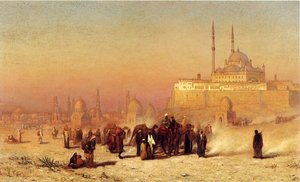
Født inn i en verden av etablert luksus som sønn av Charles Lewis Tiffany, grunnleggeren av det berømte Tiffany & Co., trosset Louis Comfort Tiffany (1848–1933) alle forventninger ved å stake ut sin egen kurs – ikke innen handel, men i kunstens rike. Selv om han var skjebnebestemt til privilegier, bar den unge Louis på en dyp lidenskap for maleri. Han studerte først under George Inness og Samuel Colman, hvor han absorberte romantikkens prinsipper og utviklet en kjærlighet for eksotiske landskap – innflytelser som er levende synlige i tidlige verk som «Snake Charmer at Tangier, Africa». Denne grunnleggende treningen ga ham ikke bare teknisk ferdighet, men også en følsomhet for farge, lys og atmosfære som senere skulle definere hans revolusjonerende bidrag til dekorativ kunst. Hans kunstneriske utdannelse fortsatte ved National Academy of Design og under Leon-Adode-Auguste Belly, noe som ytterligere foredlet hans evner før et avgjørende skifte i fokus begynte å ta form rundt 1875.Innovasjonens fødsel: Fra maleri til glass
Tiffanys bane tok en uventet vending da han ble stadig mer bergtatt av mulighetene innen glasskunst. Dette var ikke bare et skifte i medium, men en fullstendig nytolkning av hva glass *kunne* være. Misfornøyd med de rådende standardene i datidens glassproduksjon, som han mente manglet kunstnerisk verdi og originalitet, la Tiffany ut på en reise for å heve håndverket til nivået av finkunst. Et kort, men betydningsfullt samarbeid med Candace Wheeler, Samuel Colman og Lockwood de Forest innen «Louis Comfort Tiffany and Associated American Artists» (1879–1884) ga en tidlig plattform for eksperimentering og en delt kunstnerisk visjon. Det var imidlertid etableringen av hans egen glassfabrikk i Corona, New York, som virkelig slapp løs hans kreative potensial. Dette var ikke bare et produksjonsanlegg; det var et laboratorium hvor han utrettelig jaktet på nye teknikker og effekter. Et milepælsprosjekt – interiørdesignet for Mark Twains ikoniske hus i Hartford, Connecticut (1881) – fungerte som en tidlig demonstrasjon av hans voksende ferdigheter innen dekorativ kunst, og antydet den overdådige estetikken som snart skulle bli synonym med hans navn.Revolusjonering av glass: Teknikk og estetikk
Tiffanys ettermæle hviler på en serie banebrytende innovasjoner som fundamentalt endret glasskunstens landskap. Kanskje viktigst var utviklingen av «kobberfolie-teknikken», en metode der hvert glassstykke ble pakket inn i kobberfolie før de ble loddet sammen. Denne geniale tilnærmingen muliggjorde intrikate mønstre og en uovertruffen detaljrikdom som overgikk begrensningene i tradisjonelle blyinnfatninger. Men Tiffany stoppet ikke der. Han var pioneren bak Favrile-glass – et begrep avledet fra det gammelengelske ordet *fabrile*, som betyr «håndlaget» – karakterisert av sin iriserende overflate og levende, håndblåste kvalitet. Dette var ikke masseproduksjon; hvert eneste stykke var unikt, gjennomsyret av kunstnerens eget preg. Hans utforskning av opalescent glass utvidet hans kunstneriske palett ytterligere, og skapte eteriske effekter og en særegen estetikk som fanget publikums fantasi. Disse nyvinningene var ikke bare tekniske bragder; de var integrerte deler av hans omfavnelse av Art Nouveau-bevegelsen, preget av organiske linjer, naturlige motiver og en urokkelig vektlegging av dekorativ skjønnhet.En varig arv: Påvirkning og innflytelse
Louis Comfort Tiffany står som en monumentale skikkelse i amerikansk kunsthistorie, og regnes vidt sett som den viktigste bidragsyteren til både Art Nouveau og Aesthetic Movement i USA. Hans arbeid overskred håndverkets grenser og løftet dekorativ kunst opp til statusen av finkunst – et radikalt konsept på den tiden. Virkningen av hans innovasjoner strakte seg langt utover glassmaleri; de påvirket interiørdesign, smykkekunst, keramikk og utallige andre kunstneriske disipliner. I dag feires Tiffanys kreasjoner i museer over hele verden, inkludert New Orleans Museum of Art og Bergstrom-Mahler Museum of Glass, som vitnesbyrd om hans vedvarende geni. Hans design fortsetter å inspirere kunstnere og designere, og reproduksjoner er lett tilgjengelige slik at en ny generasjon kan oppleve skjønnheten og innovasjonen i hans arbeid. Tiffany skapte ikke bare objekter; han formet opplevelser, og forvandlet rom til altoppslukende miljøer av farge, lys og kunstferdighet. Han etterlot seg et uutslettelig merke på det estetiske landskapet i slutten av det 19. og begynnelsen av det 20. århundre, en arv som fortsetter å lyse opp vår verden i dag.Mer enn glass: En mangefasettert kunstner
Selv om han er mest berømt for sitt arbeid med glass, er det avgjørende å huske at Louis Comfort Tiffany var en usedvanlig allsidig kunstner. Han fokuserte ikke utelukkende på glassmalte vinduer og lamper; han utmerket seg også innen mosaikk, blåst glass, keramikk, smykker, emalje og metallarbeid. Hans tilnærming var holistisk, basert på troen om at alle elementer i et interiør burde harmonere for å skape en enhetlig estetisk opplevelse. Denne filosofien er tydelig i hans mange oppdrag for private hjem og offentlige rom, hvor han møysommelig designet hver eneste detalj – fra møbler og tekstiler til belysning og dekorative aksenter. Han våget seg til og med inn i landskapsdesign, hvor han anvendte sin kunstneriske sans på utemiljøer. Hans forpliktelse til «total design» – et konsept som lå forut for sin tid – sementerte hans posisjon som en sann visjonær, som formet ikke bare enkeltstående objekter, men hele måter å leve og oppleve skjønnhet på.Spørsmål og svar
Kan jeg bla gjennom verkene til Louis Comfort Tiffany etter kunstretning?
Siden Alle kunstretninger grupperer Louis Comfort Tiffany sine kunstverk etter kunstretning.
Hvilke kunstverk av Louis Comfort Tiffany har flest visninger?
Siden Besøksstatistikk for Louis Comfort Tiffany presenterer statistikk beregnet ut fra kunstverkene til kunstneren som er oppført på denne nettsiden.
Hvordan finner jeg verk av Louis Comfort Tiffany i en bestemt fargepalett?
Utforsk Louis Comfort Tiffany sine verk etter fargepalett på kunstnerens Etter fargepalett-side.