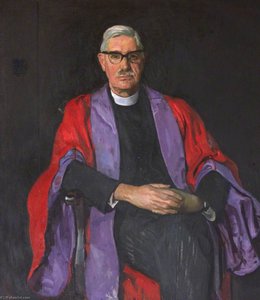
Portrett av Alberto Morrocco

De 24 mest kjente maleriene av Alberto Morrocco, et gallerivalg

Oppdatert November 2026 · rangert etter vår popularitetsscore (søk, besøk og bestillinger for hvert verk) · 24 verk av Alberto Morrocco i vår katalog

Kort fortalt

Av alle originalverkene Alberto Morrocco etterlot seg, er det mest kjente Sir Anthony Wheeler (1983–1990), OBE, PRSA (1992), som er en del av samlingen til Royal Scottish Academy of Art - Architecture i Edinburgh. Like bak følger Calle de Coseolano Rosas og John Henderson Seaforth Burleigh (1894–1985). Vår katalog inneholder 24 verk av Alberto Morrocco; galleriet har bevart de 24 verkene som verden beundrer mest, hver vist med sin dato, sitt museum og sin historie.

1917 – 1998, Aberdeen Contemporary realism Flest verk: The Fleming Collection

Alberto Morroccos topp 10 malerier: galleriets utvalg

1
Sir Anthony Wheeler (1983–1990), OBE, PRSA (1992) av Alberto Morrocco

Sir Anthony Wheeler (1983–1990), OBE, PRSA

1992 · Oil On Canvas · Royal Scottish Academy of Art - Architecture, Edinburgh

An elderly man sits at a desk, immersed in a study that feels both private and theatrical. He is dressed in a formal suit with a bow tie and a gold pendant, holding a document in one hand and a glass beaker in the other. The composition is dense, layering the central figure against a background where a reclining nude female form is partially obscured by drapery. To the left,…

Utvalget av Alberto Morrocco fortsetter, fra 11 til 24

Motivene som fanget Alberto Morroccos blikk

De fire motivene som går igjen hyppigst i disse originalverkene, hver med sitt fremste eksempel.

Museene som har Alberto Morroccos originalverk

De 5 museene som innehar flest av maleriene på denne siden.

Museum By Verker av Alberto Morrocco Malerier fra denne listen
The Fleming Collection, LondonThe Fleming Collection London 3 Love on the Costa del Sol, Tay Bridge, Winter, Boy Reading
Royal Scottish Academy of Art - Architecture, EdinburghRoyal Scottish Academy of Art - Architecture Edinburgh 2 Sir Anthony Wheeler (1983–1990), OBE, PRSA, The Studio with Lay Figure
The Resource Centre, NewarkThe Resource Centre Newark 1 Low Tide
Jerwood Gallery, HastingsJerwood Gallery Hastings 1 Still Life with Lobster and Watermelon
University of Stirling, StirlingUniversity of Stirling Stirling 1 Professor John Forty

Alberto Morrocco tiår for tiår: originalverket som definerer hvert av dem

Verk fordelt på tiår

Velg et tiår for å se originalverket som definerer det.

Samlere spør om maleriene til Alberto Morrocco

Hvilket verk er Alberto Morrocco mest kjent for?Avslør svaret

Sir Anthony Wheeler (1983–1990), OBE, PRSA (1992), Royal Scottish Academy of Art - Architecture, Edinburgh. Deretter følger Calle de Coseolano Rosas og John Henderson Seaforth Burleigh (1894–1985).

Hvor gammel var Alberto Morrocco da Sir Anthony Wheeler (1983–1990), OBE, PRSA ble laget?Avslør svaret

75 år gammel: Sir Anthony Wheeler (1983–1990), OBE, PRSA er fra 1992, og Alberto Morrocco ble født i 1917.

Hva er de ti mest kjente maleriene til Alberto Morrocco?Avslør svaret

Sir Anthony Wheeler (1983–1990), OBE, PRSA, Calle de Coseolano Rosas, John Henderson Seaforth Burleigh (1894–1985), Sir Charles Wilson (1909–2002), The Honourable Lord Cameron, John Cameron (1900–1996), Breakfast, Love on the Costa del Sol, Mrs Elizabeth Lockhart, Captain James Smith og Low Tide. Rangeringen ovenfor viser årstall og museum for hvert verk.

Hvor mange malerier etterlot Alberto Morrocco?Avslør svaret

Vår katalog inneholder 24 verk av Alberto Morrocco, datert fra 1948 til 1996.

I hvilke museer henger mesterverkene til Alberto Morrocco?Avslør svaret

Hovedsakelig i The Fleming Collection (London), Royal Scottish Academy of Art - Architecture (Edinburgh) og The Resource Centre (Newark). Museumslisten ovenfor viser alle.

I hvilke år malte Alberto Morrocco sine mest kjente verk?Avslør svaret

I 1990s: 6 av de 24 verkene på denne siden ble laget da, Sir Anthony Wheeler (1983–1990), OBE, PRSA av dem.

Hva er de første og de siste kjente originalverkene til Alberto Morrocco?Avslør svaret

På denne siden er det eldste Mrs Elizabeth Lockhart (1948) og det nyeste Dr Pat McPherson (1916–2008) (1996).

Hvilke motiver valgte Alberto Morrocco oftest?Avslør svaret

Portrait (2), Melancholy (2) og Victorian (2), fordelt på 24 verk på denne siden.

Hvilken kunstretning tilhører Alberto Morrocco?Avslør svaret

Contemporary realism, basert på originalene på denne siden.

Hvilke verk av Alberto Morrocco stilles ut på The Fleming Collection?Avslør svaret

Love on the Costa del Sol, Tay Bridge, Winter og Boy Reading: The Fleming Collection, London har 3 av verkene på denne siden.

Alberto Morrocco: liv og virke

The Vibrant Legacy of Alberto Morrocco

Alberto Morrocco stands as a pivotal figure in twentieth-century Scottish art, a master whose brush captured the soul of both the rugged Highlands and the sun-drenched streets of Italy. Born in Aberdeen in 1917 to Italian immigrant parents, Domenic Antonio Marrocco and Celesta Crolla, his very identity was a beautiful tapestry of cultures. Interestingly, the name "Morrocco" itself became a permanent part of his legacy due to a whimsical error by a local signwriter at his father's ice cream shop. This blend of Scottish grit and Italian warmth would later manifest in his art, creating a unique aesthetic that bridged the gap between Northern European landscapes and Mediterranean light.

His artistic journey began at Gray’s School of Art under the guidance of Robert Sivell, but it was his travels through France, Italy, and Switzerland that truly ignited his creative spirit. These formative years abroad exposed him to the profound shifts occurring in the modern art world. While his roots remained grounded in the Impressionist traditions of Monet and Renlam, Morrocco possessed an insatiable intellectual curiosity that led him toward the avant-garde. The geometric fragmentation of Braque and the bold, transformative innovations of Picasso became lifelong companions in his creative process, instilling in him a commitment to experimentation and expressive, textured brushwork that defied simple imitation.

A Vision of Scotland and Venice

Morrocco’s oeuvre is perhaps most celebrated for its breathtaking duality. On one hand, he offered an enduring tribute to the Scottish landscape, particularly the dramatic and untamed coastlines of Orkney and Sutherland. In these works, he did not merely record scenery; he captured a palpable sense of atmosphere, using subtle hues and meticulous observation to convey the weight of the mist and the strength of the sea. His portraits, such as the dignified John Henderson Seaforth Burleigh, further demonstrate his ability to imbue subjects with a quiet, historical elegance through a blend of realism and Impressionistic light.

Conversely, his fascination with Venice provided a luminous counterpoint to the Scottish moors. In his Venetian visions, Morrocco sought to translate the city's shimmering light, its grandeur, and its inherent melancholy onto canvas. Whether depicting quiet, sun-drenched interiors in works like Breakfast or capturing the bustling energy of the canals, he utilized a vibrant palette to evoke the spirit of the Italian lagoon. This ability to oscillate between the rugged North and the radiant South allowed him to create a body of work that felt both intimately local and universally evocative.

Professional Mastery and Lasting Impact

Beyond his canvases, Morrocco was a cornerstone of the Scottish art community. His professional life was deeply rooted in Dundee, where he served as the Head of the School of Painting at the Duncan of Jordanstone College of Art. His influence extended into the very fabric of public spaces through his monumental murals for St. Columba's Church in Glenrothes and the Royal Dundee Liff Hospital. Even in his later years, Morrocco remained a prolific force; from 1982 until his death in 1998, he produced some of his most vigorous and energetic works, often committing to massive exhibitions of dozens of new pieces in a single year.

The significance of Alberto Morrocco lies in his ability to synthesize disparate influences into a cohesive, emotive language. His life's work remains a testament to the power of cultural fusion, blending:

  • Technique: The marriage of Impressionist light with Cubist structure and bold, modern textures.
  • Subject Matter: A seamless transition between the intimate stillness of still lifes—such as his vibrant Still Life with Lobster and Watermelon—and the expansive majesty of coastal landscapes.
  • Legacy: A profound contribution to Scottish identity that embraced international modernism without losing its connection to the local soil.

Through his mastery of color and form, Morrocco ensured that the light of both Scotland and Italy would continue to shine through the annals of art history.