The New Green: Why Botanical Realism is Dominating Modern Interiors
In the fast-paced, concrete-heavy landscape of modern urban living, a profound shift is occurring within our interior design choices. We are witnessing a movement that transcends mere decoration; it is a biological craving for connection. Botanical realism has emerged as the ultimate aesthetic antidote to the digital fatigue of the 21-century lifestyle. This isn't about simple floral patterns or generic greenery; it is about the high-impact, hyper-detailed celebration of life itself. As we spend more time behind screens, our walls have become the new frontiers for organic expression. The trend is moving away from minimalist sterility and toward a lush, curated maximalism where nature serves as the primary protagonist. By integrating botanical realism, we aren't just hanging art; we are installing a living, breathing ecosystem that grounds the soul and provides a visual sanctuary amidst the chaos of city life.
Visual Impact: From Delicate Blooms to High-Contrast Flora
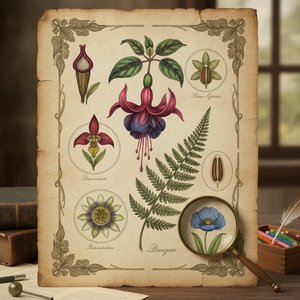
The true power of botanical art lies in its incredible range of visual intensity. For those who crave drama, the movement offers breathtaking high-contrast pieces that command immediate attention. Imagine the striking juxtaposition found in works like Trepadeira by Luiz Zerbini, where delicate white blossoms emerge from a deep, saturated red background, creating a rhythmic pulse of color that disrupts a neutral room. This isn't just "pretty" art; it is graphic, bold, and unapologetically loud. On the other end of the spectrum, there is the subtle, almost meditative beauty of soft-focus petals and intricate leaf veins that invite the viewer to lean in closer. Whether it is the vibrant, adventurous spirit found in the legendary works of Marianne North—which transport us to exotic, far-flung corners of the globe—or a more structured, scientific study of form, the impact is always profound. The goal is to use these botanical elements as focal points that anchor your design aesthetic, using color and light to manipulate the mood of an entire room.
Curating the Jungle: How to Style Nature-Inspired Art in Urban Spaces
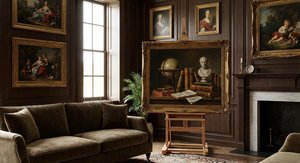
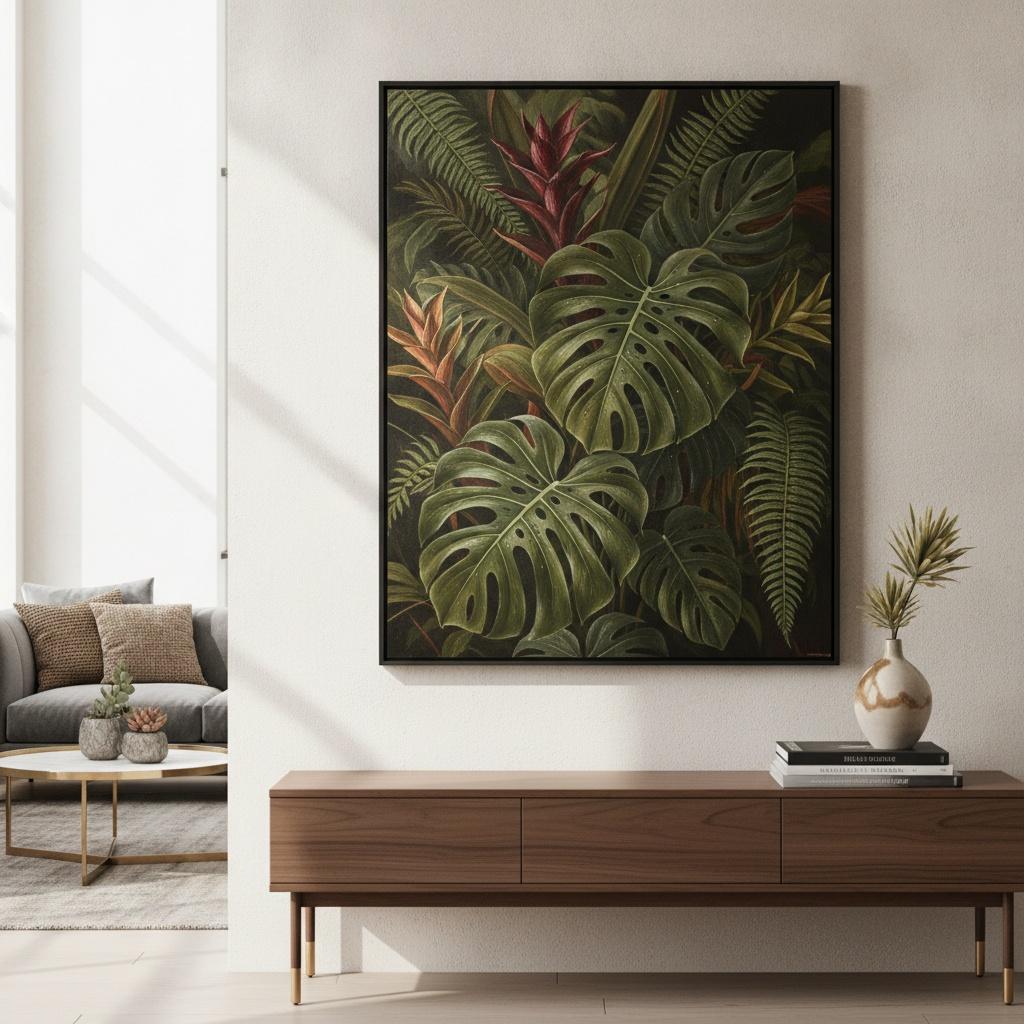
Bringing the outdoors in requires a curated approach rather than a haphazard one. To avoid a space feeling cluttered, think like a designer: use botanical art as your primary texture. In a sleek, modern apartment characterized by industrial metals and dark woods, a large-scale botanical mural or a multi-canvased set of floral oils can soften the hard edges and introduce much-needed organic warmth. The multi-panel trend is particularly effective here; splitting a single, lush composition across three or five panels allows you to create an architectural statement that flows across wide walls or staircases, mimicking the way vines climb a structure. For those with a more minimalist pulse, a single, oversized frame featuring high-impact flora can act as the "hero" piece of a room, allowing the surrounding negative space to breathe while still maintaining a powerful visual energy. The key is to balance the wildness of the subject matter with the controlled lines of your contemporary furniture.
Texture & Depth: The Difference Between Digital Prints and Hand-Painted Oils
When selecting pieces for a high-end collection, one must understand the tactile soul of the medium. While digital Giclée prints offer incredible color accuracy and durability, they are inherently flat—a two-dimensional window into nature. For the true connoisseur seeking an immersive experience, handmade oil reproductions offer something a printer simply cannot: physical presence. In a hand-painted work, the artist utilizes impasto techniques, building up layers of pigment to create visible brushstrokes and a three-dimensional topography. This texture catches the light differently throughout the day, adding a dynamic quality to your walls. The depth of color in oil on cotton canvas possesses a tonal range that feels much more "alive" than the matte finish of a poster. When you can see the physical movement of the brush through a petal or the heavy application of white paint to mimic a sun-drenched blossom, the art ceases to be an image and becomes an object of profound substance.
Customizing Your Ecosystem: Remixing Botanicals with Contemporary Styles
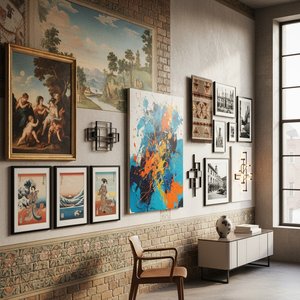
The most exciting frontier in botanical realism is the ability to remix history for a modern context. We are no longer bound by the strictures of classical botanical illustration. Today, art lovers can engage in a creative dialogue with the past, requesting "period shifts" that transform traditional flora into something entirely new. Imagine taking a photograph of your own garden and having it reimagined through the lens of Pop Art—with Lichtenstein-inspired dots and bold, graphic outlines—or perhaps a more surrealist, dreamlike interpretation. This level of customization allows you to bridge the gap between historical reverence and contemporary street-style energy. By utilizing advanced digital mockups, you can even experiment with color palettes before the first drop of oil touches the canvas, ensuring that your custom botanical masterpiece perfectly complements your existing design DNA. Art is no longer just something you find; it is something you co-create to reflect your unique, modern identity.