The Evolving Role of Art in Interior Design: From Accent to Atmosphere
For centuries, art’s presence within the built environment was often dictated by patronage – a demonstration of wealth and power rather than a considered element of spatial harmony. Think of the opulent frescoes adorning Renaissance palaces or the grand portraits commissioned by Victorian industrialists. These were statements, undeniably beautiful but frequently divorced from the lived experience of those inhabiting the space. Today, however, we’re witnessing a profound shift. Art is no longer simply *added* to interiors; it's becoming intrinsically woven into their very fabric, shaping atmosphere, reinforcing identity, and profoundly impacting how we feel within a room.
This evolution isn’t merely aesthetic; it reflects a deeper understanding of the psychological power of visual stimuli. Color, composition, texture – these elements aren’t just pleasing to the eye; they directly influence our mood, behavior, and perception. A carefully chosen abstract piece can inject energy into a sterile corporate lobby, while a serene landscape might foster tranquility in a private residence. The discerning interior designer recognizes this potential, moving beyond surface-level decoration to curate experiences that resonate on an emotional level.
The rise of biophilic design – incorporating natural elements and patterns into interiors – further underscores this trend. Artwork depicting nature, or even abstract pieces evoking organic forms, can create a sense of connection with the outside world, reducing stress and promoting well-being. It’s about creating spaces that nurture, inspire, and reflect the values of those who inhabit them.
Digital Mockups: Visualizing Impact & Streamlining Client Approvals
In manufacturing and design, a mockup, or mock-up, is a scale or full-size model of a design or device, used for teaching, demonstration, design evaluation, promotion, and other purposes. A mockup may be a prototype if it provides at least part of t...
Traditionally, the process of selecting artwork involved a degree of guesswork. Sketches, fabric swatches, and verbal descriptions could only offer a limited glimpse into the final result. The inherent challenge lay in translating two-dimensional concepts into three-dimensional reality – accounting for scale, lighting conditions, and the interplay with existing décor. This often led to costly revisions or, worse, dissatisfaction after installation.
Digital mockups have revolutionized this process, offering a powerful solution that bridges the gap between imagination and execution. These aren’t simply static images; advanced software allows designers to realistically render artwork *in situ*, adjusting for viewing angles, ambient light, and even surrounding furniture. Imagine presenting a client with a photorealistic rendering of a large-scale canvas above their fireplace, showcasing how it transforms the entire living room. This level of visualization fosters confidence, minimizes risk, and ensures everyone is aligned on the artistic vision.
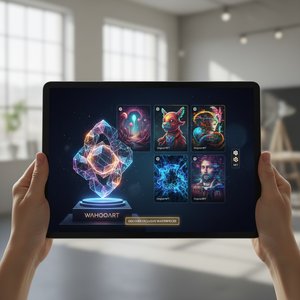
The benefits extend beyond visual accuracy. Mockups facilitate clear communication between designer, client, and stakeholders, providing a tangible reference point for discussions. They allow for experimentation with different styles, sizes, and framing options before committing to a purchase – a crucial advantage when dealing with significant investments. Augmented reality (AR) takes this concept even further, enabling clients to virtually ‘place’ artwork within their own spaces using their smartphones or tablets, offering an immersive and interactive experience.
Curating for Context: Aligning Artwork with Space, Style & Function
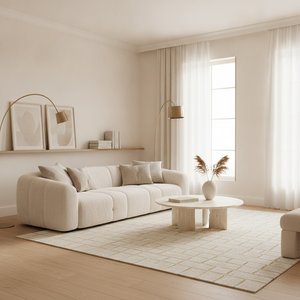
Selecting art is not merely about choosing aesthetically pleasing pieces; it's a nuanced process that demands a deep understanding of the architectural context and functional needs of the space. A skilled curator considers the existing color palette, lighting conditions, and overall style of the interior, ensuring artwork complements these elements to create a harmonious and balanced aesthetic.
The flow of movement within the space is also paramount. Artwork can be strategically placed to guide the eye, create focal points, and enhance the sense of circulation. Consider sightlines – what will be visible from different vantage points? A striking abstract piece might command attention at the end of a hallway, while a series of smaller works could add visual interest along a corridor.
Furthermore, the function of the space should inform art selections. A waiting room might benefit from calming and serene pieces that promote relaxation, while a conference room could call for artwork that inspires creativity and innovation. In hospitality environments, curation often focuses on reinforcing the hotel’s brand identity – selecting pieces that evoke a particular mood or tell a story.
Reproductions vs. Originals: Balancing Quality, Budget & Authenticity
The art market can be daunting, particularly for those new to collecting. Original artworks often command significant investments, making them inaccessible to many. Reproductions offer a compelling alternative, providing designers with greater flexibility and affordability without sacrificing aesthetic quality.
However, not all reproductions are created equal. The market varies widely in terms of fidelity and accuracy. It’s crucial to partner with reputable suppliers who employ skilled artists and utilize premium materials. Hand-painted reproductions offer the highest level of detail, replicating the texture, brushstrokes, and nuances of the original artwork. These pieces are often created on high-quality canvas using archival oil paints, ensuring longevity and durability.
Digital reproductions, such as giclée prints, provide a more affordable option while still maintaining excellent color accuracy and detail. Look for prints that utilize UV-resistant inks and acid-free paper to prevent fading over time. The key is to prioritize quality – a well-executed reproduction can be virtually indistinguishable from the original, offering lasting beauty without breaking the bank.
The Rise of Digital Art: New Mediums and Immersive Experiences
Beyond traditional canvases and prints, digital art is emerging as a powerful force in interior design. From dynamic installations to interactive displays, these technologies offer unique possibilities for transforming spaces in exciting ways. Digital art encompasses a wide range of mediums, including video projections, generative algorithms, and virtual reality experiences.
One key advantage of digital art is its versatility. Artwork can be easily updated or changed to reflect seasonal themes, special events, or client preferences – a level of flexibility unmatched by traditional media. Furthermore, digital art can be used to create interactive displays that respond to user input or environmental factors. Imagine a projection mapping installation that reacts to movement or sound, creating a dynamic and personalized experience.
The possibilities are endless. Digital art allows designers to push the boundaries of creativity, transforming interiors into immersive environments that engage the senses and captivate the imagination. It’s a testament to the evolving relationship between art, technology, and space.
Navigating Legalities & Ethical Considerations in Art Acquisition
The acquisition of artwork isn't solely an aesthetic pursuit; it also involves navigating complex legal and ethical considerations. Understanding copyright laws and artist rights is crucial to avoid potential disputes or penalties.
When purchasing original artworks, obtaining a clear title of ownership from the seller is paramount. This documentation should include information about the artist, provenance (the history of ownership), and any relevant exhibition history. For reproductions, designers must ensure they have the appropriate licensing rights to display the artwork in a commercial setting. Many artists retain copyright even after selling their work, and unauthorized reproduction or distribution can result in legal repercussions.
Furthermore, it’s important to be aware of moral rights, which protect the artist's reputation and integrity. Designers should avoid altering artwork in a way that could be considered disrespectful or damaging to the artist’s legacy. Partnering with reputable suppliers who prioritize copyright compliance is essential for peace of mind.
At OriginalUniqueArt.com, we are dedicated to providing high-quality artwork and ensuring ethical sourcing practices. Our extensive collection includes both original pieces and museum-quality reproductions, all accompanied by the necessary documentation and licensing agreements. We believe that art should be accessible to everyone, and we strive to make the acquisition process as seamless and transparent as possible. From personalized consultations to expert curation services, our team is committed to helping you create spaces that inspire, captivate, and reflect your unique vision.