Early Renaissance · 1448
St Agnes (Zanobi Strozzi, 1448)
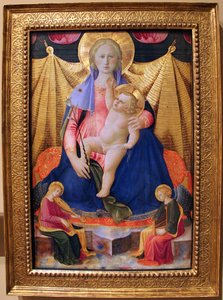
Zanobi Strozzi (1412–1468) har skapt St Agnes. Den er fra 1448. Det tilhører Early Renaissance-bevegelsen. Laget i Tempera On Panel. Verket er bevart ved Convent of San Marco i Firenze, Italia. Mål: 63 × 47 cm
- 1448
- Tempera On Panel
- 63 × 47 cm
- Convent of San Marco, Firenze

 Forhåndsvisning

 Håndmalt oljemaleri
 Send
 Del
 Faktablad for elever


 Last ned bilde
 Liknende objekter
 Røntgenundersøkelse
 Lysbildefremvisning
 Spørsmål og svar

 Statistikk
St Agnes, kort fortalt
- Tittel
- St Agnes
- Kunstner
- Zanobi Strozzi (1412–1468)
- Kunstner født i
- Firenze, Italia
- Dato
- 1448
- Materiale
- Tempera On Panel
- Mål
- 63 × 47 cm
- Utstillingssted
- Convent of San Marco, Firenze, Italia
- Bevegelse
- Early Renaissance
- Tidsperiode
- Renaissance
- Motiv
- st agnes, zanobi strozzi, renaissance art, tempera panel, religious painting, italian art
Hva forestiller St Agnes?
Zanobi Strozzi’s ‘St Agnes’: A Florentine Echo of Devotion
The tempera panel painting, “St Agnes,” attributed to Zanobi Strozzi and completed in 1448, is more than simply a depiction of a saint; it's a meticulously crafted window into the artistic sensibilities of early Renaissance Florence. Measuring just 63 x 47 cm, this work housed within the Museo di San Marco possesses an intimate quality that draws the viewer into its serene and profoundly devotional world. Strozzi, a pupil of the celebrated Fra Angelico, established himself as a master of detail and color, creating works imbued with a quiet spirituality that resonated deeply during his time.
- Subject & Narrative: The painting portrays Saint Agnes, martyred for her refusal to succumb to pagan temptations. The narrative is conveyed through the saint’s posture – dignified yet vulnerable – and the surrounding symbolic elements.
- Technique - Tempera on Panel: Strozzi's masterful use of tempera paint on a wooden panel creates a remarkable depth and luminosity. This technique, favored for its durability and ability to achieve rich colors, is evident in the subtle gradations of tone and the meticulous rendering of textures – from the folds of Agnes’ cloak to the intricate patterns adorning her surroundings.
A Symphony of Color and Decorative Detail
The visual impact of “St Agnes” stems largely from Strozzi's bold use of color and his extraordinary attention to decorative detail. Predominantly employing shades of blue, red, and gold – colors deeply associated with piety and royalty in the late medieval period – he constructs a complex tapestry of patterns that frame the central figure. Swirls, floral motifs, and other decorative elements aren’t merely ornamental; they serve as a visual language, amplifying the saint's solemnity and invoking a sense of heavenly grace. The background isn’t a simple backdrop but an active participant in the narrative, contributing to the overall atmosphere of reverence.
Historical Context & Artistic Influences
Created during a period of immense artistic innovation in Florence – a time when artists were rediscovering classical ideals while simultaneously developing their own unique styles – “St Agnes” reflects the evolving aesthetic sensibilities of the era. Strozzi’s close association with Fra Angelico undoubtedly influenced his approach, sharing a commitment to clarity, emotional intensity, and a profound sense of spirituality. The painting's style aligns perfectly with the artistic trends of the Florentine Renaissance, showcasing a sophisticated understanding of perspective and proportion, albeit within the constraints of the tempera medium.
Symbolism & Emotional Resonance
Beyond its technical brilliance, “St Agnes” is rich in symbolism. The red cloak, traditionally associated with sacrifice and martyrdom, underscores the saint’s tragic fate. The serene expression on her face conveys a sense of acceptance and unwavering faith. The overall effect is one of profound contemplation – an invitation to reflect on themes of devotion, courage, and ultimately, redemption. This painting continues to resonate with viewers today, offering a tangible connection to the artistic and spiritual values of Renaissance Florence.
Hvilket museum har St Agnes?
Convent of San Marco
Firenze, Italia
Et fristed for tro og kunst Klosteret San Marco står som et enestående vitnesbyrd om Firenzes kunstneriske arv – et sted der renessansens ånd flettes sammen med dyp religiøs hengivenhet. Mer enn bare å huse mesterverk, tilbyr museet en oppslukende reise tilbake til det femtende århundre, og inviterer besøkende til å betrakte arven etter Fra Angelico og Girolamo Savonarola innenfor veggene til et vakkert bevart dominikanerkloster. Opprinnelig grunnlagt som et vallombrosiansk kloster i det trettende århundre, begynte San Marcos forvandling til et levende sentrum for humanistisk tenkning og kunstnerisk innovasjon med Cosimo de' Medicis beskyttelse – et avgjørende øyeblikk som sikret ankomsten av en reformert dominikanerorden og innvarslet en æra av uovertruffen kreativitet.


Høyoppløselige bilder av St Agnes
Fritlig eiendom: kunstneren døde i 1468.
Zanobi Strozzi, St Agnes (1448), Convent of San Marco. Fri tilgjengelighet
Spørsmål om St Agnes, besvart
Hvilket museum har det originale verket "St Agnes"?
Originalen av "St Agnes" av Zanobi Strozzi oppbevares i Convent of San Marco, Firenze, Italia. En reproduksjon gjør det mulig å stille ut verket i eget hjem.
I hvilket år ble "St Agnes" av Zanobi Strozzi skapt?
"St Agnes" dateres til 1448. Denne datoen plasserer verket innenfor Zanobi Strozzi sin karriere og sin epoke.
Hvilket medium er "St Agnes" av Zanobi Strozzi utført i?
Zanobi Strozzi brukte Tempera On Panel-teknikken i "St Agnes". Teknikken definerer det materielle uttrykket til det originale verket.
Hva er målene på det originale verket "St Agnes"?
"St Agnes" måler 63 x 47 cm i sin originale form. Originalmålene er en nyttig referanse når du skal velge størrelse på en reproduksjon.
Hva forestiller "St Agnes"?
"St Agnes" av Zanobi Strozzi avbilder: st agnes, zanobi strozzi, renaissance art, tempera panel, religious painting, italian art, medieval text.
Er bildet av "St Agnes" av Zanobi Strozzi i det frie domene?
"St Agnes" av Zanobi Strozzi er fritt tilgjengelig – opphavsretten har utløpt. Denne statusen avgjør hvordan bildet av verket kan reproduseres.
Hvem er kunstneren bak "St Agnes"?
"St Agnes" ble skapt av Zanobi Strozzi. Informasjonen på denne siden beskriver Zanobi Strozzi sitt originale verk.
Hvilken kunstretning tilhører "St Agnes" av Zanobi Strozzi?
"St Agnes" av Zanobi Strozzi tilhører Early Renaissance-retningen. Denne retningen gir det stilistiske kontekstet til verket.
Hvilken periode i Zanobi Strozzi sin karriere tilhører "St Agnes"?
I Zanobi Strozzi sin karriere tilhører "St Agnes" Early Renaissance. Denne perioden gjør det mulig å sammenligne verket med kunstnerens øvrige arbeider.
Om kunstneren, Zanobi Strozzi
1412–1468, Italia
Zanobi Strozzi
Den florentinske visjonæren: Livet og arven etter Zanobi Strozzi I den florentinske renessansens gullalder, en tid der lys og skygge begynte å danse med en nyvunnet humanistisk dybde, trådte navnet Zanobi Strozzi frem som en livsviktig tråd i byens kunstneriske vev. Zanobi ble født i 1412 inn i den illustre Strozzi-familien, og hans tidlige liv ble formet av de dype politiske omveltningene i Firenze. Selv om hans slekt knyttet ham til adelen, tvang farens uventede død, da Zanobi bare var femten år gammel, ham mot en annen skjebne. Denne perioden med personlig tap ledet ham inn i det transformative lærlingforholdet under Battista di Biasi Sanguigni, et mentorskap som etter hvert skulle foredle hans håndverk og gi ham den tekniske presisjonen som var nødvendig for å mestre den delikate kunsten med bokilluminasjon og panelmaleri.
Andre verk av Zanobi Strozzi
 Madonna and Child with Angels1434
 Camaldolese Friars in Choir1450
 The Annunciation1442
 Virgin and Child with Four Angels and the Redeemer1450
Essays om St Agnes
 From Gold to Gravity: Italo-Byzantine Style vs. the Proto-RenaissanceMaster the shift from Byzantine gold to Proto-Renaissance naturalism. Learn to spot the evolution of art history today.
 Italian early Renaissance paintersMasterpieces by Botticelli and Giotto define the Italian Early Renaissance. Explore the full collection online at OriginalUniqueArt.com.
 Divine Beauty: The 25 Most Iconic Masterpieces by Fra AngelicoJourney through the divine beauty of Fra Angelico's finest works. Explore 25 iconic Renaissance masterpieces, from ethereal frescoes to sac…