Romanticism · 1820
Prometheus (William Etty, 1820)
William Etty (1787–1849) har laget Prometheus. Den er fra 1820. Det tilhører Romanticism-bevegelsen. Den er laget i Oil. Mål: 71 × 78 cm
- 1820
- Oil
- 71 × 78 cm

 Forhåndsvisning

 Håndmalt oljemaleri
 Send
 Del
 Faktablad


 Last ned bilde
 Liknende objekter
 Røntgenundersøkelse
 Lysbildefremvisning
 Spørsmål og svar

 Statistikk
Prometheus, kort fortalt
- Tittel
- Prometheus
- Kunstner
- William Etty (1787–1849)
- Kunstner født i
- York, Storbritannia
- Dato
- 1820
- Medium
- Oil
- Dimensjoner
- 71 × 78 cm
- Bevegelse
- Romanticism
- Periode
- 19th Century
- Motiv
- prometheus, mythology, nude, classical myth, suffering, manhood
Hva forestiller Prometheus?
The Agony and the Flame: Reimagining a Mythic Torment
In the visceral masterpiece Prometheus, painted in 1820, William Etty invites us into a scene of profound mythological suffering and raw human vulnerability. The canvas captures the Titan at his most precarious moment, bound to the unforgiving stone as a consequence of his defiance against the gods. There is an immediate, jarring intensity to the composition; the figure lies sprawled across the earth, his body a landscape of tension and physical trauma. Etty does not shy away from the grotesque or the harrowing details of the myth, presenting a subject that is simultaneously heroic and broken. The presence of the bow and arrow piercing the flesh serves as a brutal reminder of the divine retribution being visited upon him, creating a narrative of sacrifice that resonates far beyond the borders of ancient Greek lore.
The technique employed by Etty reveals his status as a pioneer of the British nude, utilizing a mastery of light and shadow to sculpt the musculature of the protagonist. The flesh tones are rendered with a remarkable sensitivity, capturing the flush of pain and the pallor of exhaustion. Through fluid brushwork and a sophisticated understanding of anatomical form, Etty breathes life into the inanimate rock and the surrounding atmosphere. The interplay between the stark, rugged background and the soft, vulnerable curves of the human form creates a dramatic chiaroscuro effect that draws the eye directly to the center of the struggle. This mastery of texture—from the cold hardness of the stone to the warmth of the skin—makes the piece an extraordinary specimen of early 19th-century Romanticism.
A Symphony of Symbolism and Emotional Depth
Beyond the immediate shock of the imagery, Prometheus functions as a profound meditation on the cost of knowledge and the spirit of rebellion. To the discerning collector, the painting offers more than just a depiction of myth; it is an exploration of the human condition under duress. The isolation of the figure, set against a landscape that feels both vast and claustrophobic, symbolizes the lonely burden of those who dare to challenge established powers. Every element, from the positioning of the limbs to the distant, watchful presence of another figure, contributes to a sense of inescapable fate. It is a work that demands emotional engagement, pulling the viewer into a state of empathy for the Titan’s eternal struggle.
For interior designers and connoisseurs of fine art, this reproduction offers a commanding presence capable of anchoring a room with its historical weight and dramatic flair. The painting's rich palette and intense subject matter make it an ideal centerpiece for collections that value narrative depth and classical grandeur. Whether placed in a study filled with leather-bound volumes or a contemporary gallery space, the work serves as a conversation piece that bridges the gap between the ancient past and the modern aesthetic. Owning a high-quality reproduction of this Etty masterpiece allows one to preserve a fragment of Romantic history, bringing the timeless tension of Prometheus's sacrifice into the intimate setting of a private home.
Høyoppløselige bilder av Prometheus

Fritlig eiendom: kunstneren døde i 1849.
Andre størrelser, beskjæringer og sitering →William Etty, Prometheus (1820). Felleseie
Spørsmål om Prometheus, besvart
I hvilket år ble "Prometheus" av William Etty skapt?
"Prometheus" dateres til 1820. Denne datoen plasserer verket innenfor William Etty sin karriere og sin epoke.
Hvilken teknikk er brukt i "Prometheus" av William Etty?
"Prometheus" av William Etty er utført i Oil. Reproduksjonene har som mål å gjengi utseendet til denne teknikken.
Hva er målene på det originale verket "Prometheus" av William Etty?
"Prometheus" måler 71 x 78 cm i sin originale form. Originalmålene er en nyttig referanse når du skal velge størrelse på en reproduksjon.
Hva forestiller "Prometheus"?
Temaene i "Prometheus" av William Etty inkluderer prometheus, mythology, nude, classical myth, suffering, manhood, greek mythology. Sammen oppsummerer de verkets motiv.
Er "Prometheus" fri for opphavsrett?
Når det gjelder opphavsrett, er "Prometheus" fritt tilgjengelig – opphavsretten har utløpt.
Hvilken kunstner kan "Prometheus" tilskrives?
"Prometheus" ble skapt av William Etty. Informasjonen på denne siden beskriver William Etty sitt originale verk.
Hvilken kunstretning tilhører "Prometheus" av William Etty?
"Prometheus" av William Etty tilhører Romanticism-retningen. Denne retningen gir det stilistiske kontekstet til verket.
Hvilken fase av William Etty sin kunstneriske utvikling representerer "Prometheus"?
I William Etty sin karriere tilhører "Prometheus" Early Period. Denne perioden gjør det mulig å sammenligne verket med kunstnerens øvrige arbeider.
Hvor gammel var William Etty da "Prometheus" ble skapt?
William Etty var 33 år gammel da Prometheus ble skapt i 1820. Alderen er beregnet ut fra kunstnerens fødselsår, 1787.
Om kunstneren, William Etty

1787–1849, Storbritannia
William Etty
William Ettys tidlige liv og utdanning For å forstå den tekniske presisjonen hos William Etty, må man se forbi kontroversene rundt hans senere motiver og heller rette blikket mot hans disiplinerte og mekaniske begynnelse. Han ble født den 10. mars 1787 i York, Storbritannia, som det syvende barnet til Matthew og Esther Etty. Veien mot de skjønnere kunster var verken umiddelbar eller intuitiv; i stedet ble den formet gjennom et håndverks strenge struktur.
Også av William Etty
 Sirenenes og Ulysses
 Candaules, konge av Lydia, viser sin kone i skjul til Gyges, en av hans ministre, mens hun går til sengs1830
 Den greske slave1812
 Venus og Cupid
Essays om Prometheus
 Echoes of Anguish: Exploring the Depths of Human Sorrow in Fine ArtExplore the profound history of grief through Baroque and Post-Impressionist masters. Discover the emotional depth of art today.
 Unveiling the Dreamer: The 25 Most Iconic Masterpieces by Gustave MoreauStep into the mystical world of Gustave Moreau. Explore 25 iconic Symbolist masterpieces, from mythic tales to ethereal dreamscapes. Find i…
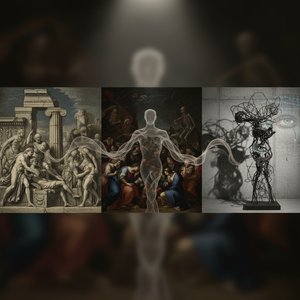 Echoes of Anguish: Representing Human Suffering in Art Across Historical ContextsExplore the powerful history of representing human suffering in art. From ancient myths to modern masterpieces, discover how artists have c…