Renaissance · 1550
Self-Portrait (Sofonisba Anguissola, 1550)
Sofonisba Anguissola (1532–1625) har skapt Self-Portrait. Den er fra 1550. Det tilhører Renaissance-bevegelsen. Laget i Oil On Canvas. Verket er bevart ved Museo Poldi Pezzoli i Milano, Italia. Mål: 45 × 34 cm
- 1550
- Oil On Canvas
- 45 × 34 cm
- Museo Poldi Pezzoli, Milano

 Forhåndsvisning

 Håndmalt oljemaleri
 Send
 Del
 Faktablad for elever


 Last ned bilde
 Liknende objekter
 Røntgenundersøkelse
 Lysbildefremvisning
 Spørsmål og svar

 Statistikk
Self-Portrait, kort fortalt
- Tittel
- Self-Portrait
- Kunstner
- Sofonisba Anguissola (1532–1625)
- Kunstner født i
- Cremona, Italia
- Dato
- 1550
- Materiale
- Oil On Canvas
- Mål
- 45 × 34 cm
- Utstillingssted
- Museo Poldi Pezzoli, Milano, Italia
- Bevegelse
- Renaissance
- Motiv
- renaissance portrait, female artist, self-portraiture, classical art, oil painting, 16th century
Hva forestiller Self-Portrait?
A Renaissance Pioneer’s Intimate Gaze: Sofonisba Anguissola's "Self-Portrait"
Sofonisba Anguissola’s “Self-Portrait” (1554), a miniature masterpiece housed within the confines of a delicate oval frame, isn’t merely a depiction of a woman; it’s an audacious declaration of artistic agency and a window into the remarkably progressive world of 16th-century Italy. Painted in oil on canvas with meticulous detail, this work transcends the typical portraiture of its time, establishing Anguissola as one of the first female artists to consciously assert her presence as both subject *and* artist – a revolutionary concept that challenged deeply ingrained societal expectations. The painting immediately draws the viewer into a quiet moment of contemplation; the sitter, likely Anguissola herself, gazes directly out with an expression of serene confidence, a subtle hint of intelligence and perhaps even a touch of playful self-awareness. Her dark hair is arranged in a sophisticated style, framing her face with elegant precision, while her clothing – a simple yet richly colored gown – speaks to both her status and the burgeoning artistic trends of the era. The soft lighting, diffused as if from an indoor window, lends a sense of intimacy and warmth to the scene, highlighting the delicate textures of her skin and fabric.A Revolutionary Technique: Layered Realism and Renaissance Influence
The painting’s technical brilliance lies in Anguissola's masterful command of oil paint. She employs a layering technique—building up form through numerous thin, translucent brushstrokes—to create an astonishingly realistic representation of the human figure. Notice how she captures the subtle nuances of light and shadow on her face, the delicate folds of her dress, and the texture of her hair with remarkable accuracy. This meticulous attention to detail wasn’t simply about replicating reality; it was a deliberate choice to showcase her skill and elevate herself within a male-dominated artistic landscape. The influence of Renaissance portraiture is undeniable – the balanced composition, the idealized beauty of the subject, and the use of classical motifs all point to this lineage. However, Anguissola subtly subverts these conventions by centering the gaze directly on the viewer, inviting an unprecedented level of engagement and personal connection. The muted color palette—dominated by browns, blacks, and subtle golds—contributes to a sense of understated elegance and timelessness.A Story Within a Portrait: Bernardino Campi and the Dynamics of Representation
What truly elevates “Self-Portrait” beyond a conventional likeness is its intriguing narrative – the presence of Bernardino Campi, a fellow painter, depicted in the background as he paints Anguissola. This isn’t merely a backdrop; it's a complex interplay of roles and power dynamics. Anguissola has positioned herself as both the subject *and* the model, effectively controlling the image from within. The composition subtly shifts the viewer’s perspective, placing us in the position of the artist observing his work – a clever maneuver that challenges traditional notions of artistic representation. As art historians like Whitney Chadwick have noted, this piece represents “the first example of the woman artist consciously collapsing the subject-object position,” demonstrating Anguissola's innovative approach to self-portraiture and her assertion of agency within the art world. The inclusion of Campi further emphasizes this dynamic, suggesting a collaborative yet ultimately controlled artistic process.Historical Context: A Woman Breaking Barriers in Renaissance Italy
Sofonisba Anguissola’s story is inextricably linked to the broader context of 16th-century Italy – a period marked by both remarkable artistic innovation and deeply entrenched social inequalities. Her upbringing, nurtured by her father's commitment to providing her with a comprehensive education encompassing art, music, and literature, was exceptionally rare for a woman of her time. This early exposure to the arts laid the foundation for her extraordinary career. Anguissola’s journey from a relatively modest background to becoming one of the most celebrated female painters of the Renaissance is itself a testament to her talent, determination, and the evolving attitudes towards women in art. Her travels to Rome and Milan, where she gained recognition for her skill and artistry, paved the way for her later success at the Spanish court, solidifying her place as a pioneering figure in European art history.Collecting an Icon: A Reproduction of Timeless Beauty
Today, “Self-Portrait” stands as a powerful symbol of female artistic achievement and a captivating example of Renaissance portraiture. Reproductions offer a wonderful opportunity to bring this iconic work into your home or office, allowing you to appreciate its intricate details and profound symbolism. When selecting a reproduction, consider the quality of materials and printing techniques – ensuring that the colors accurately reflect the original painting’s nuanced palette and that the texture of the brushstrokes is faithfully reproduced. A high-quality print will not only serve as a beautiful decorative object but also as a reminder of Sofonisba Anguissola's groundbreaking legacy and her enduring contribution to the world of art.Hvilket museum har Self-Portrait?
Museo Poldi Pezzoli
Milano, Italia
Et milanesisk palass av drømmer: Sjelen til Museo Poldi Pezzoli Å tre over terskelen til Museo Poldi Pezzoli er å forlate Milanos moderne travelhet og gå inn i et nitidig utformet drømmelandskap, et fristed hvor grensene mellom en privat bolig og et offentlig galleri viskes ut. Dette hjemmemuseet, som ligger i et elegant palass i Via Manzoni, står som et dyptpløyende vitnesbyrd om den unike lidenskapen til sin grunnlegger, Gian Giacomo Poldi Pezzoli. Til forskjell fra de enorme, upersonlige salene man finner i mange store institusjoner, tilbyr Poldi Pezzoli et intimt møte med det estetiske sanselivet til 1800-tallets aristokrati.


Høyoppløselige bilder av Self-Portrait
Fritlig eiendom: kunstneren døde i 1625.
Sofonisba Anguissola, Self-Portrait (1550), Museo Poldi Pezzoli. Fri tilgjengelighet
Spørsmål om Self-Portrait, besvart
Hvor kan jeg se originalen av "Self-Portrait" av Sofonisba Anguissola?
Du kan se originalen av "Self-Portrait" på Museo Poldi Pezzoli, Milano, Italia.
I hvilket år ble "Self-Portrait" av Sofonisba Anguissola skapt?
"Self-Portrait" av Sofonisba Anguissola ble skapt i 1550.
Hvilket medium er "Self-Portrait" av Sofonisba Anguissola utført i?
"Self-Portrait" av Sofonisba Anguissola er utført i Oil On Canvas. Reproduksjonene har som mål å gjengi utseendet til denne teknikken.
Hva er de faktiske målene på "Self-Portrait" av Sofonisba Anguissola?
De registrerte målene for "Self-Portrait" av Sofonisba Anguissola er 45 x 34 cm. Reproduksjoner kan bestilles i andre størrelser med de samme proporsjonene.
Hva forestiller "Self-Portrait" av Sofonisba Anguissola?
Temaene i "Self-Portrait" av Sofonisba Anguissola inkluderer renaissance portrait, female artist, self-portraiture, classical art, oil painting, 16th century, european art. Sammen oppsummerer de verkets motiv.
Er "Self-Portrait" fri for opphavsrett?
"Self-Portrait" av Sofonisba Anguissola er fritt tilgjengelig – opphavsretten har utløpt. Denne statusen avgjør hvordan bildet av verket kan reproduseres.
Hvem har skapt "Self-Portrait"?
"Self-Portrait" tilskrives Sofonisba Anguissola.
Hvilken kunstretning tilhører "Self-Portrait" av Sofonisba Anguissola?
"Self-Portrait" er et verk innenfor Renaissance. Retningen angir den kunstneriske tradisjonen verket er en del av.
Hvilken fase av Sofonisba Anguissola sin kunstneriske utvikling representerer "Self-Portrait"?
"Self-Portrait" representerer Sofonisba Anguissola sin Mature Renaissance.
Om kunstneren, Sofonisba Anguissola

1532–1625, Italia
Sofonisba Anguissola
En opplyst renessanse: Livet og kunsten til Sofonisba Anguissola Sofonisba Anguissola trådte frem fra det levende kunstlandskapet i 1500-tallets Italia som en sann pioner, som utfordret samfunnets normer og etablerte seg som en av de mest berømte kvinnelige malerne i renessansen. Hun ble født rundt 1532 i Cremona, som datter av Amilcare Anguissola og Bianca Ponzoni, og nøt godt av en uvanlig progressiv oppvekst for en kvinne i sin tid. Hennes far, som gjenkjente det eksepsjonelle kunstneriske talentet hos døtrene – Sofonisba, Elena, Lucia og Europa – trosset konvensjonene ved å gi dem en humanistisk utdannelse som omfattet latin, musikk og, ikke minst, tegning. Denne forpliktelsen til deres intellektuelle og kreative utvikling var revolusjonerende og la grunnlaget for Sofonisbas bemerkelsesverdige karriere.
Om Sofonisba Anguissola Fremtredende verk av Sofonisba Anguissola
Andre verk av Sofonisba Anguissola
 Portrett av kunstnerens søstre som spiller sjakk1555
 Three children with dog1590
 Self-portrait aged 781610
 Portrait of Queen Elisabeth of Spain1599
Essays om Self-Portrait
 Spontaneity and Matter: Distinguishing CoBrA from Art InformelMaster the differences between CoBrA and Art Informel with our expert guide. Learn to identify these post-war movements today.
 Tactile Traditions: Exploring the Beauty of Hair Texture in Impressionist and Contemporary ArtExplore the sensory depth of Impressionist impasto and texture through Renoir and Chiacchio. Discover the soul of the brushstroke today.
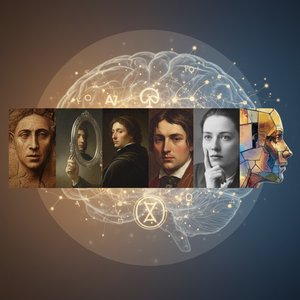 Reflecting the Self: A History of Portraiture & Psychological InsightExplore the fascinating history of self-portraiture from Renaissance masters like Dürer & Rembrandt to modern interpretations. Discover the…