
 Forhåndsvisning
 Send
Send Del med andre
 Vis detaljer

 Last ned bildet
 Liknende objekter
 Røntgenundersøkelse
 Lysbildefremvisning
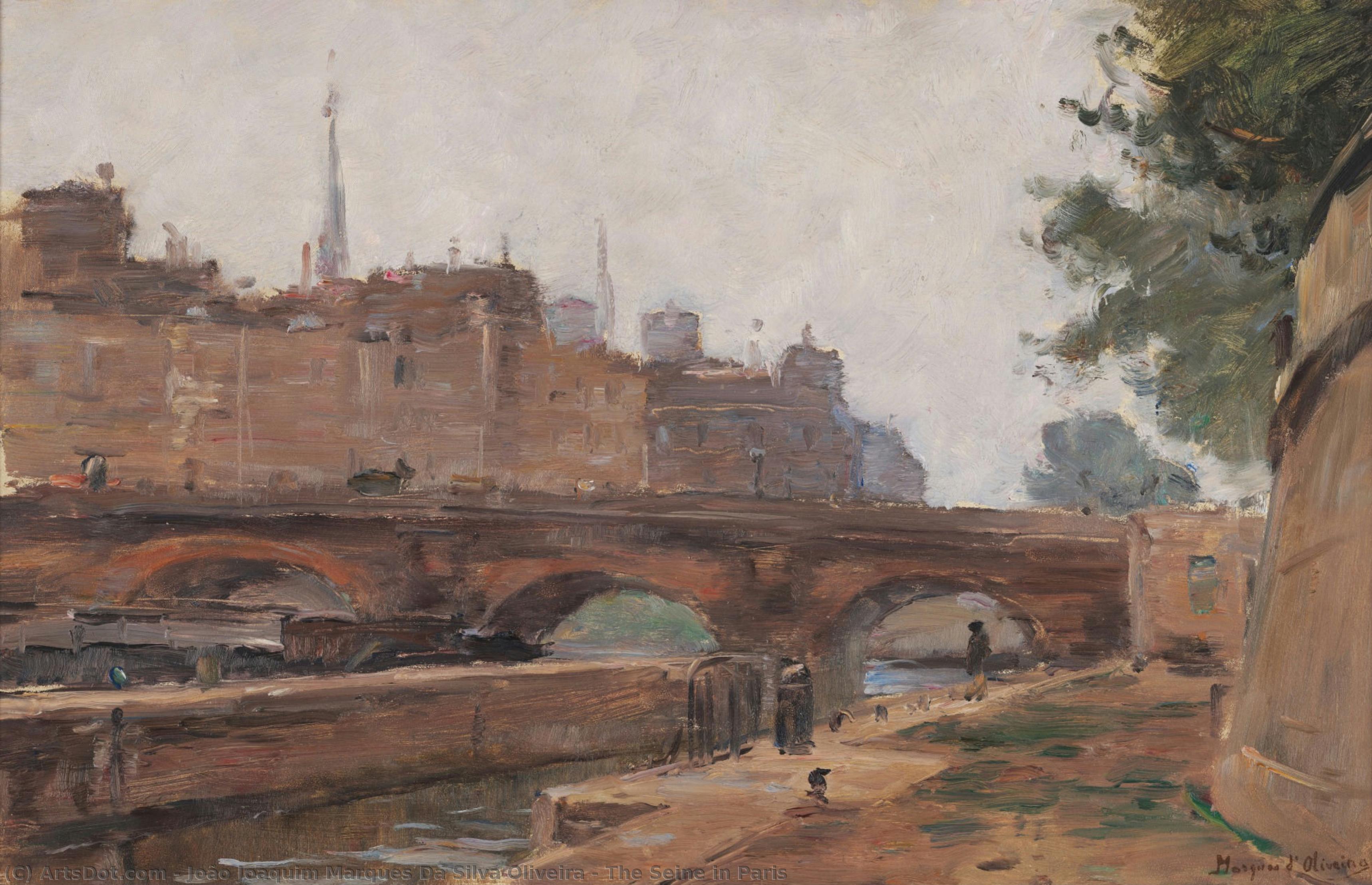
Seine i Paris


 Vis hele teksten
Håndlaget oljereproduksjon
Håndmalt olje på lerret i din valgte størrelse og ramme, laget på bestilling av våre kunstnere. ( Bytt til trykk Bytt til bilde)




P118B $10

P118H $10

P118W $10

P438Z $10

P508JH $12

P508YH $12

P805H $10

P805Z $10

P919BZ $10

P919G $10

P919XJ $10

P959ZH $10

P968JZ $12

W106C $8

W218G $10

W218JH $8

W218Y $10

W307PJ $10

W316G $10

W316PJ $8

W316Y $10

W398PJ $8

W4111J $10

W500HY $15

W500JH $15

W692G $12

W849H $8

W940BG $15

W953PJ $8




Velg mellom våre forhåndsdefinerte størrelser som bevarer kunstverkets opprinnelige proporsjoner.

Du kan angi egne mål for å tilpasse en spesifikk ramme eller plass. Dersom den valgte størrelsen ikke samsvarer med originalbildets proporsjoner, vil vi enten beskjære kunstverket eller utvide maleriet med ytterligere håndmalte elementer. En digital mockup vil bli sendt til din godkjenning før produksjonen starter.
Vennligst merk at forhåndsvisningen på skjermen ikke gjenspeiler den faktiske beskjæringen eller utvidelsen. Kun mockuppen vil vise den endelige komposisjonen nøyaktig.
Selv om tilpassede størrelser er tilgjengelige, anbefaler vi å velge et mål fra den forhåndsdefinerte listen for å bevare de originale proporsjonene.
Etter bestilling vil OriginalUniqueArt.com-teamet sende e-post til kunden for instruksjoner og sende et utkast (mockup) som forhåndsvisning.
Verdensomspennende levering () på 3–4 uker i stedet for standard 5 uker. (9 August). Ingen kompromisser med kvaliteten.

Gratis ekspressfrakt over hele verden

Lerretsduk av høykvalitets lin

Full forsikring under transport

Garanti for refusjon av toll og importavgifter

Garantert korrekt fargegjengivelse

60 dagers returrett (kun ved feil)

100% pengene tilbake-garanti

Rabatt ved flere kjøp
 Glassalternativet er kun tilgjengelig i størrelser under 110 cm

Seine i Paris
Teknikk for reproduksjon
Størrelse på reproduksjon
-


Endelig pris
$ 300
Beskrivelse av kunstverket
João Joaquim Marques da Silva Oliveira: A Silent Reverie on Parisian Light
João Joaquim Marques de Oliveira (1853-1927) stands as a cornerstone of Portuguese landscape painting, particularly renowned for his masterful depictions of the Seine River in Paris. More than just capturing a visual scene, Oliveira sought to distill the very essence of the city – its melancholic beauty and timeless spirit – into canvases imbued with subtle hues and evocative textures. His artistic journey began at an unusually young age, enrolling in Porto’s Escola Superior de Belas-Artes at eleven years old, where he honed his skills under luminaries like Alexandre Cabanel and Adolphe Yvon, absorbing the precepts of academic painting while simultaneously nurturing a burgeoning fascination with plein air techniques. A pivotal moment arrived when Oliveira embarked on a formative expedition to France, immersing himself in the vibrant artistic milieu of École des Beaux-Arts. Collaborating closely with António da Silva Porto, he embraced the influence of Impressionism and Post-Impressionism, experimenting with innovative brushstrokes and color palettes that mirrored the shifting moods of Parisian life. This period cemented his commitment to capturing fleeting moments of light and atmosphere—a characteristic that would define his oeuvre throughout his career. Oliveira’s signature style was rooted in Naturalism, yet he skillfully elevated it beyond mere representation. He employed a meticulous approach to layering pigments, achieving remarkable depth and luminosity through painstaking blending and glazing techniques. The artist favored muted tones – predominantly grey, taupe, and ivory black – creating an atmosphere of contemplative stillness that perfectly mirrored the hazy Parisian skies. These shades were punctuated by delicate washes of rose-colored and golden hues, hinting at a hidden warmth beneath the surface sadness—a deliberate strategy to convey the enduring allure of Paris as a place untouched by time. The painting’s composition reflects Oliveira's profound understanding of artistic principles. Like Corot before him, he prioritized capturing the grandeur of nature within an urban setting, structuring his canvases around the dominant flow of the Seine river and expanding outwards to encompass the cityscape beyond. The artist’s meticulous attention to detail—evident in the depiction of architectural elements like bridges and buildings—served not merely as visual embellishment but as a conduit for conveying the emotional resonance of the scene. Oliveira's work continues to inspire collectors and interior designers alike, offering a glimpse into Portugal’s artistic heritage and celebrating the enduring power of art to evoke profound contemplation.- Artist: João Joaquim Marques da Silva Oliveira
- Birth Year: 1853
- Death Year: 1927
- Birth City: Porto
- Birth Country: Portugal
The Seine in Paris: One of these two paintings from the museum’s collection were made on the same theme, during a visit to Paris, certainly with a sense of nostalgia for the period that the artist had spent there studying, some thirty years earlier. In 1906, the atmosphere in the capital of the arts was in a state of great agitation caused by the first retrospective exhibition dedicated to Paul Cézanne, who had recently passed away, and which proved to be fundamental for the subsequent development of the young artists Braque and Picasso, the founders of cubism. Marques de Oliveira, however, remained faithful to the training he had received as a naturalist artist, here cloaked in a halo of unreality, resulting from the city’s hazy atmosphere.
Om kunstneren
A Life Immersed in Light and Learning: The World of João Joaquim Marques de Oliveira
João Joaquim Marques da Silva Oliveira, a name resonant within the annals of Portuguese art, was more than simply a painter; he was a pivotal figure who bridged artistic innovation with dedicated education. Born in Porto in 1853, his life unfolded against a backdrop of evolving artistic styles and a burgeoning national identity. From an early age, a clear inclination towards visual expression led him to the Escola Superior de Belas-Artes do Porto at just eleven years old. This formal training provided a solid foundation, but it was his subsequent journey to France – specifically, the prestigious École des Beaux-arts – that truly ignited his artistic development. There, under the tutelage of masters like Alexandre Cabanel and Adolphe Yvon, he absorbed the nuances of academic painting while simultaneously venturing into explorations with colleagues such as António da Silva Porto. These formative years weren’t confined to Parisian studios; extensive travels through Belgium, England, the Netherlands, and Italy broadened his perspective, exposing him to diverse landscapes and artistic traditions that would profoundly influence his future work. His early participation in the Salons of 1876 and 1878 signaled a promising start, showcasing an emerging talent poised to make its mark on the European art scene.Pioneering Plein-Air and Shaping Artistic Education
Upon his return to Porto in 1879, Marques de Oliveira didn’t merely practice his art; he actively disseminated new ideas. He became a champion of plein-air painting – the act of painting outdoors directly from nature – a revolutionary concept for Portugal at the time. This commitment to capturing the immediacy of light and atmosphere would become a defining characteristic of his style, imbuing his landscapes with a sense of vibrant realism. Simultaneously, he became deeply involved in the artistic community, serving as Vice-President of the Centro Artístico Portuense, an organization dedicated to fostering creativity and innovation. However, perhaps his most enduring legacy lies in his decades-long commitment to art education. From 1881 until 1926, he served as a professor at the Academy in Porto, eventually rising to the position of Director. He wasn’t simply imparting technical skills; he was cultivating a new generation of artists, instilling in them a passion for observation, a dedication to craftsmanship, and an appreciation for the power of artistic expression. Among his notable students were Aurélia de Sousa and Lino António, both of whom would become significant figures in Portuguese art.Naturalism’s Embrace: Themes and Techniques
Marques de Oliveira's artistic style is firmly rooted in Naturalism, a movement that sought to depict the world with unflinching realism, often focusing on everyday life and landscapes. His paintings are characterized by meticulous attention to detail, a subtle yet masterful handling of light and shadow, and a profound sense of atmosphere. While he explored various subjects throughout his career, he is particularly renowned for his serene landscapes and evocative seascapes. Works like Marina, housed in the Casa-Museu Dr. Anastácio Gonçalves in Lisbon, exemplify his ability to capture the tranquility and beauty of the Portuguese coastline. His paintings aren’t merely representations of places; they are imbued with a sense of mood and emotion, inviting viewers to immerse themselves in the scene. Portrait of António Soares dos Reis demonstrates his skill in portraiture, capturing not just physical likeness but also the character and intellect of his subject. He skillfully blended academic training with the freshness of plein-air observation, resulting in a style that was both technically proficient and emotionally resonant.A Lasting Influence and National Recognition
Marques de Oliveira’s contributions extended beyond his artistic creations and teaching endeavors. In 1911, he was appointed Chairman of the Board and member of the Executive Committee for Art at the Soares dos Reis National Museum, playing a crucial role in shaping the museum's collection and direction. He later became its Director in 1913, further solidifying his position as a leading figure in Portuguese cultural life. His dedication to art and education was formally recognized posthumously in 1929 with the unveiling of a bronze bust in the Jardim de São Lázaro, adjacent to the Academy – a fitting tribute to a man who had devoted his life to nurturing artistic talent. Today, his works continue to be admired for their technical brilliance, emotional depth, and enduring beauty. His legacy lives on not only through his paintings but also through the countless artists he inspired during his long and distinguished career. He remains a vital link in understanding the development of Portuguese art during the 19th and early 20th centuries, a testament to the power of dedication, innovation, and a lifelong commitment to learning.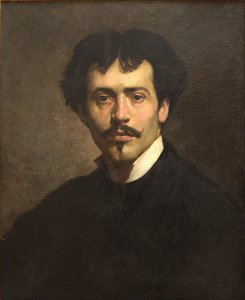
João Joaquim Marques da Silva Oliveira
1853 - 1927 , Portugal
Kort om kunstneren
- Artistic Movement Or Style: Naturalism
- Artists Or Movements Influenced By This Artist:
- Aurélia de Sousa
- Lino António
- Artists Who Influenced This Artist:
- Alexandre Cabanel
- Adolphe Yvon
- Date Of Birth: 1853
- Date Of Death: 1927
- Full Name: João Joaquim Marques da Silva Oliveira
- Nationality: Portuguese
- Notable Artworks:
- Marina
- Woman in Rome
- Portrait of António Soares dos Reis
- Place Of Birth: Porto, Portugal
Relaterte artikler
Landskapets Mesterverk: Topp 10 Kunstverk som Definerer Sjangeren | OriginalUniqueArt.no
Utforsk de 10 mest ikoniske landskapsmaleriene gjennom tidene! Fra Monet til Friedrich – oppdag historien bak mesterverkene, kunstnernes teknikker og inspirasjonen. Finn reproduksjoner av høy kvalitet for ditt hjem på OriginalUniqueArt.no. Utforsk samlingen online!

Evocations of Place: A Historical Journey Through Landscape Art
Explore the rich history of landscape art with OriginalUniqueArt. Discover renowned artists, movements like Impressionism & tonalism, and expert guidance for collecting timeless pieces. Find your perfect serene escape today!

Evocations of Place: A Historical Journey Through Landscape Art
Explore the rich history of landscape art with OriginalUniqueArt. Discover renowned artists, movements like Impressionism & Romanticism, and expert guidance for collecting timeless pieces. Find your perfect serene escape today!

Flowing Narratives: Rivers in Painting – A Historical Exploration
Explore the rich history of rivers in painting! Discover masterpieces from ancient times to Impressionism & beyond. Learn about symbolism, artists like Monet & Daubigny, and find your perfect serene artwork at OriginalUniqueArt.
Capturing the Light: A Journey Through the Soul of American Impressionism and the Hudson River School
Explore the luminous beauty of American Impressionism and the Hudson River School. Discover a curated journey through light, landscape, and history, celebrating the enduring legacy of masters through exquisite, hand-painted oil reproductions for the discerning art lover.


