

 Forhåndsvisning
 Send
Send Del med andre
 Vis detaljer
 Veiledning

 Last ned bildet
 Liknende objekter
 Røntgenundersøkelse
 Lysbildefremvisning
 Statistikk
Tronen i Byzantium


 Vis hele teksten
Håndlaget oljereproduksjon
Håndmalt olje på lerret i din valgte størrelse og ramme, laget på bestilling av våre kunstnere. ( Bytt til trykk Bytt til digitalt bilde)




P118B $10

P118H $10

P118W $10

P438Z $10

P508JH $12

P508YH $12

P805H $10

P805Z $10

P919BZ $10

P919G $10

P919XJ $10

P959ZH $10

P968JZ $12

W106C $8

W218G $10

W218JH $8

W218Y $10

W307PJ $10

W316G $10

W316PJ $8

W316Y $10

W398PJ $8

W4111J $10

W500HY $15

W500JH $15

W692G $12

W849H $8

W940BG $15

W953PJ $8




Velg mellom våre forhåndsdefinerte størrelser som bevarer kunstverkets opprinnelige proporsjoner.

Du kan angi egne mål for å tilpasse en spesifikk ramme eller plass. Dersom den valgte størrelsen ikke samsvarer med originalbildets proporsjoner, vil vi enten beskjære kunstverket eller utvide maleriet med ytterligere håndmalte elementer. En digital mockup vil bli sendt til din godkjenning før produksjonen starter.
Vennligst merk at forhåndsvisningen på skjermen ikke gjenspeiler den faktiske beskjæringen eller utvidelsen. Kun mockuppen vil vise den endelige komposisjonen nøyaktig.
Selv om tilpassede størrelser er tilgjengelige, anbefaler vi å velge et mål fra den forhåndsdefinerte listen for å bevare de originale proporsjonene.
Etter bestilling vil OriginalUniqueArt.com-teamet sende e-post til kunden for instruksjoner og sende et utkast (mockup) som forhåndsvisning.
Verdensomspennende levering () på 3–4 uker i stedet for standard 5 uker. (20 September). Ingen kompromisser med kvaliteten.

Gratis ekspressfrakt over hele verden

Lerretsduk av høykvalitets lin

Full forsikring under transport

Garanti for refusjon av toll og importavgifter

Garantert korrekt fargegjengivelse

100 dagers returrett (kun ved mangler)

100% pengene tilbake-garanti

Rabatt ved flere kjøp
 Glassalternativet er kun tilgjengelig i størrelser under 110 cm

Tronen i Byzantium
Teknikk for reproduksjon
Størrelse på reproduksjon
-


Endelig pris
$ 425
Jean-Joseph Benjamin Constant’s “The Throne Room In Byzantium”: A Window Into Imperial Majesty
Jean-Joseph Benjamin Constant’s captivating painting transports viewers into an opulent and enigmatic scene – a throne room steeped in the grandeur of Byzantium or a similarly majestic ancient court. This work isn't merely a depiction of power; it’s an immersive experience, inviting contemplation on authority, judgment, and the weight of leadership. It speaks to the enduring fascination with historical narratives and idealized representations of bygone eras.Artistic Style & Technique: Academic Historicism Illuminated
Executed with remarkable skill in the academic historicist style, this painting showcases Benjamin-Constant’s mastery of detail and realistic representation. The artist employs a rich oil paint technique, utilizing subtle blending to create luminous textures and a polished finish. Notice the delicate rendering of fabrics – shimmering silks and velvets – meticulously crafted to convey texture and movement. Equally impressive is the intricate architectural detailing; towering columns adorned with Corinthian capitals dominate the composition, reflecting the grandeur of classical Roman design principles adapted for Byzantine aesthetics. The expressive faces of the figures—likely emperors or dignitaries—are rendered with careful observation, capturing subtle nuances of emotion and conveying a sense of solemn dignity. This meticulous approach underscores Benjamin-Constant’s dedication to achieving visual accuracy while simultaneously elevating the artwork beyond mere representation.Historical & Cultural Context: Byzantium's Echoes in the Nineteenth Century
Benjamin-Constant was renowned for his Orientalist and historical subjects, and this piece reflects a profound fascination with past civilizations. While not definitively tied to a specific moment in Byzantine history—the painting evokes the atmosphere of the empire during its zenith—it embodies the broader European Romantic preoccupation with the East as a realm of mystery and spiritual significance. The inclusion of a cross-shaped emblem on a column subtly hints at a Christian context, grounding the scene within the religious traditions that shaped Byzantium’s identity. This artistic endeavor captures the spirit of a time when Europe sought inspiration in distant lands, reimagining them through the lens of idealized beauty and moral grandeur.Symbolism & Narrative: Power, Judgment, and Divine Presence
At the heart of the composition sits a central figure draped in white robes – likely an emperor, judge, or high official—seated upon a throne elevated above his attendants. This posture symbolizes authority and dominion, mirroring the hierarchical structure of Byzantine society. Surrounding him are petitioners and guards, each contributing to the narrative of audience reception or perhaps a solemn judgment. The ornate setting itself is laden with symbolism; the towering columns represent stability and permanence, while the drapery conveys richness and prestige. Furthermore, the overall balance and symmetry of the composition reinforce the sense of order inherent in imperial governance—a visual testament to the artist’s understanding of both artistic convention and historical ideology. Benjamin Constant's masterful depiction invites viewers to contemplate themes of leadership, justice, and faith, capturing the essence of Byzantine majesty within a timeless artistic framework.Technical Considerations: Mastering Oil Paint & Achieving Luminosity
The painting’s luminous quality stems from Benjamin-Constant’s skillful use of oil paint—a medium favored by academic painters for its ability to capture subtle tonal variations and create rich textures. The artist's meticulous blending technique ensures that light dances across surfaces, enhancing the dramatic chiaroscuro lighting that defines the scene. This careful attention to detail extends beyond mere visual accuracy; it reflects a broader commitment to conveying emotion and atmosphere through artistic craftsmanship—a legacy of classical painting traditions embraced by Benjamin Constant as he sought to elevate his work to the highest standards of artistic excellence.Om kunstneren
A Life Immersed in Color and Light: The World of Jean-Joseph Benjamin-Constant
Jean-Joseph Benjamin-Constant, a name that resonates with the allure of the Orient and the precision of academic training, stands as a pivotal figure in 19th-century French art. Born in Paris in 1845, his artistic journey began within the hallowed halls of the École des Beaux-Arts in Toulouse, under the tutelage of Alexandre Cabanel. This formative period instilled within him a profound respect for classical techniques – meticulous rendering and a deep understanding of composition – skills that would become the bedrock upon which he built his distinctive style. Early works reflected this influence, showcasing an aptitude for dramatic historical scenes, imbued with a sense of grandeur and carefully constructed narratives. However, it was a transformative voyage to Morocco in 1872 that irrevocably altered the course of Benjamin-Constant’s artistic vision, igniting a passion for the exotic and setting him on a path toward becoming one of the most celebrated Orientalist painters of his time. This journey wasn't merely a change of scenery; it was an immersion into a world brimming with vibrant colors, unfamiliar customs, and captivating light – elements that would forever shape his artistic expression and define his unique perspective.The Allure of the Orient: Capturing Moroccan Life
Upon returning from Morocco, Benjamin-Constant abandoned his previous focus on historical painting in favor of depicting the landscapes and cultures he had encountered. He began to produce a series of romanticized scenes that captured not just what he saw, but how it *felt* to be immersed in this new world. Paintings like “Last Rebels,” “Justice in the Harem,” and “Moroccan Prisoners” quickly garnered attention, showcasing his remarkable talent for atmospheric detail and his ability to evoke a sense of exoticism. He possessed an uncanny ability to translate the sensory richness of Morocco – the scent of spices hanging heavy in the air, the warmth of the North African sun on skin, the intricate patterns woven into textiles – onto canvas. These weren’t simply representations; they were evocations designed to transport the viewer to a distant and alluring land. Beyond these intimate scenes, Benjamin-Constant also demonstrated his capacity for grand historical narratives with monumental canvases such as “The Entrance of Mahomet II into Constantinople,” a work that earned him recognition within the Parisian art world and solidified his reputation as a master of dramatic composition. His Orientalist works weren’t merely about depicting a different culture; they were about exploring themes of power, justice, and the human condition against a backdrop of breathtaking beauty and mystery – elements that resonated deeply with audiences of the time.Influences and Artistic Development
Benjamin-Constant's artistic development was profoundly shaped by several key influences. Initially, he studied under Alexandre Cabanel, absorbing the academic rigor and classical techniques associated with the École des Beaux-Arts. However, his exposure to the works of Eugène Delacroix proved particularly influential, inspiring him to embrace a more dramatic use of color and composition. The influence of Rubens and Watteau, masters of Baroque and Rococo painting respectively, also contributed to his stylistic evolution, adding layers of sophistication and elegance to his work. His travels through Spain before Morocco further broadened his artistic horizons, exposing him to diverse cultural traditions and inspiring new subject matter. It’s important to note that Benjamin-Constant wasn't simply imitating these masters; he skillfully synthesized their techniques with his own unique vision, creating a distinctive style characterized by both academic precision and romantic sensibility.A Versatile Hand: From Murals to Portraiture
Around 1880, Benjamin-Constant’s artistic focus underwent a significant shift. While his Orientalist paintings had established him as a rising star, he began to dedicate himself increasingly to mural decorations and portraiture, demonstrating an impressive versatility and adaptability. This transition wasn't a departure from his artistic principles but rather an expansion of them. He brought the same meticulous attention to detail and dramatic flair that characterized his earlier work to these new endeavors. His large-scale paintings, such as “Paris Convening the World” exhibited at the Musée de la Ville, showcased his skill in depicting complex scenes with numerous figures, creating dynamic compositions that drew viewers into a world of bustling activity and civic pride. This ability to handle grand scale and intricate detail led to commissions from some of the most prominent figures of the era. He painted portraits of Pope Leo XIII, Queen Alexandra of the United Kingdom, and Lord John Lumley-Savile, further cementing his reputation as a skilled portraitist capable of capturing not just physical likeness but also the essence of his subjects’ personalities.Recognition and Legacy: A Lasting Impression
Throughout his career, Benjamin-Constant received numerous accolades for his artistic achievements. He was awarded a medal of honor at the Salon in 1896 for “Mons Fils André,” a testament to his enduring skill and innovation. His election to the Institute in 1893 and subsequent appointment as a Commander of the Legion d’Honneur further underscored his standing within the French art establishment. Today, his work is represented in prestigious collections worldwide, including the Metropolitan Museum of Art – which houses his impressive mural “Justinian in Council” – the Musée des Augustins in Toulouse, and the U.S. National Gallery of Art in Washington D.C., ensuring that his artistic vision continues to inspire and captivate audiences for generations to come. Benjamin-Constant’s legacy lies not only in his technical mastery but also in his ability to synthesize academic training with a romantic sensibility. He created compelling works that captured both the grandeur of historical narratives and the alluring mystique of distant lands, establishing himself as an important figure in 19th-century French art. **He remains celebrated for his evocative depictions of Orientalist themes and his remarkable versatility as an artist.**
Jean-Joseph Benjamin Constant
1845 - 1902 , Frankrike
Kort om kunstneren
- Artistic Movement Or Style:
- Orientalisme
- Akademisk kunst
- Artists Or Movements Influenced By This Artist: ['Fransk kunst']
- Artists Who Influenced This Artist:
- Delacroix
- Rubens
- Watteau
- Date Of Birth: 10. juni 1845
- Date Of Death: 26. mai 1902
- Full Name: Jean-Joseph Benjamin-Constant
- Nationality: Fransk
- Notable Artworks:
- Siste opprørere
- Rettferdighet i harem
- Marokkanere fanger
- Place Of Birth: Paris, Frankrike
Relaterte artikler

Oljemaleriets varige arv: Teknikk, historie og samtidspraksis
Utforsk oljemaleriets fascinerende historie og teknikker! Lær om mestere, materialer og samtidspraksis. Få ekspertråd og inspirasjon for ditt neste kunstprosjekt.
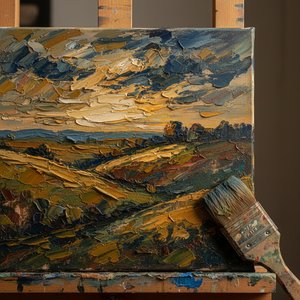
The Timeless Beauty of Oil on Canvas: A Masterclass in Texture, Impasto, and Artistic Mastery
Discover the profound allure of oil on canvas. Explore the mastery of impasto textures, the science of pigment longevity, and expert guides to selecting museum-quality reproductions that elevate your collection with timeless elegance and tactile depth.
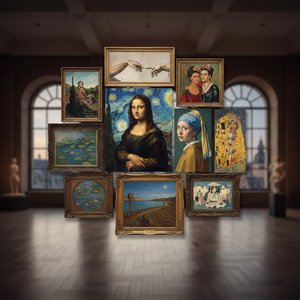
De 10 mest ikoniske oljemalerier som forandret kunsthistorien – OriginalUniqueArt.com
Oppdag de 10 mest innflytelsesrike oljemaleriene gjennom tidene! Fra Mona Lisa til Van Goghs mesterverk – lær historien bak ikoniske kunstverk og finn inspirasjon for ditt hjem. Museumskvalitet reproduksjoner på OriginalUniqueArt.com.

The Enduring Legacy of Oil on Canvas: Technique, History & Aesthetic Impact
Explore the rich history & techniques of oil painting – from Renaissance masters to Impressionism. Discover pigments, layering methods, and why this timeless medium endures. Expert insights for artists & art enthusiasts.

Oil on Canvas: A Historical & Technical Exploration of a Timeless Artistic Medium
Explore the rich history & enduring techniques of oil painting on canvas. Discover the science behind its longevity, conservation practices, and contemporary relevance. Expert insights for art enthusiasts.
