Forhåndsvisning
 Send
Send Del med andre
 Vis detaljer

 Last ned bildet
 Liknende objekter
 Røntgenundersøkelse
 Lysbildefremvisning
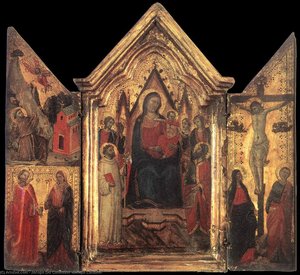
Maria tronet med engler og helgener


 Vis hele teksten
Håndlaget oljereproduksjon
Håndmalt olje på lerret i din valgte størrelse og ramme, laget på bestilling av våre kunstnere. ( Kjøp trykk Kjøp bilde)




P118B $10

P118H $10

P118W $10

P438Z $10

P508JH $12

P508YH $12

P805H $10

P805Z $10

P919BZ $10

P919G $10

P919XJ $10

P959ZH $10

P968JZ $12

W106C $8

W218G $10

W218JH $8

W218Y $10

W307PJ $10

W316G $10

W316PJ $8

W316Y $10

W398PJ $8

W4111J $10

W500HY $15

W500JH $15

W692G $12

W849H $8

W940BG $15

W953PJ $8




Velg mellom våre forhåndsdefinerte størrelser som bevarer kunstverkets opprinnelige proporsjoner.

Du kan angi egne mål for å tilpasse en spesifikk ramme eller plass. Dersom den valgte størrelsen ikke samsvarer med originalbildets proporsjoner, vil vi enten beskjære kunstverket eller utvide maleriet med ytterligere håndmalte elementer. En digital mockup vil bli sendt til din godkjenning før produksjonen starter.
Vennligst merk at forhåndsvisningen på skjermen ikke gjenspeiler den faktiske beskjæringen eller utvidelsen. Kun mockuppen vil vise den endelige komposisjonen nøyaktig.
Selv om tilpassede størrelser er tilgjengelige, anbefaler vi å velge et mål fra den forhåndsdefinerte listen for å bevare de originale proporsjonene.
Etter bestilling vil OriginalUniqueArt.com-teamet sende e-post til kunden for instruksjoner og sende et utkast (mockup) som forhåndsvisning.
Verdensomspennende levering () på 3–4 uker i stedet for standard 5 uker. (23 August). Ingen kompromisser med kvaliteten.

Gratis ekspressfrakt over hele verden

Lerretsduk av høykvalitets lin

Full forsikring under transport

Garanti for refusjon av toll og importavgifter

Garantert korrekt fargegjengivelse

60 dagers returrett (kun ved feil)

100% pengene tilbake-garanti

Rabatt ved flere kjøp
 Glassalternativet er kun tilgjengelig i størrelser under 110 cm

Maria tronet med engler og helgener
Teknikk for reproduksjon
Størrelse på reproduksjon
-


Endelig pris
$ 300
Beskrivelse av kunstverket
Jacopo del Casentino og Madonna Enthroned med Engler og Søstre
Florence, på begynnelsen av 1300-tallet var et sentrum for kunstnerisk kreativitet og religiøs hengivenhet. Dette miljøet favoriserte utviklingen av Jacopo del Casentino (1330–1380), en florentinsk maler hvis verk gjenspeiler denne tidenes ånd og tekniske dyktighet. Selv om biografiske detaljer er begrenset, var Jacopo en betydelig kunstner som spesielt fokuserte på religiøse bilder av Maria, Jesu mor – et tema som var ekstremt viktig for samtidens kristne kunstnere. Hans kunstverk er kjent for sin imponerende bruk av chiaroscuro, teknikken til å skape dramatiske lys og skyggeeffekter som ble perfektionert av andre italienske kunstnere rundt denne tiden.- Tema: Bildet fremstiller en religiøs scene hvor Maria troner majestetisk omgitt av engler og helgener, noe som gjenspeiler den kristne troens fokus på Marias rolle som Jesu moder og guddommelighetens kjærlighet til menneskeheten.
- Stil: Jacopo del Casentino opererte innenfor stilretningen italiensk gotisk kunst, men hans verk viser også klare spor av utviklingen mot renessansen. Han var en mester i å kombinere dekorative elementer med religiøs symbolikk på en måte som var både estetisk tiltalende og pedagogisk effektiv.
- Teknikk: Jacopo del Casentino brukte hovedsakelig tempera på duk, noe som gir bildet en karakteristisk patina og stabilitet over tid. Hans bruk av chiaroscuro var spesielt imponerende; han skapte dyptgående lys og skyggekontraster som fremhevet detaljene i komposisjonen og ga bildet en følelse av atmosfære og dybde.
Om kunstneren
The Ethereal Legacy of Jacopo del Casentino
In the vibrant, sun-drenched landscape of fourteenth-century Tuscany, a period defined by profound spiritual devotion and the dawn of artistic transformation, the name Jacopo del Casentino resonates with the quiet power of a prayer. Often known to history through the mistaken identity of Jacopo Landino—a nomenclature born from the historical errors of Giorgio Vasari—this Florentine master navigated the delicate transition between the late Gothic tradition and the burgeoning sensibilities of the early Renaissance. While the precise details of his birth and early years remain shrouded in the mists of time, his presence is indelibly etched into the sacred altarpieces that once graced the chapels of Italy, serving as a bridge between the stylized elegance of the past and the humanistic depth of the future.
The origins of his artistry are deeply rooted in the Florentine milieu, likely shaped by the influential circle surrounding the Master of St. Cecilia. This formative period instilled in him a reverence for sacred geometry and a capacity to translate theological complexity into visual splendor. His work does not merely depict religious scenes; it invites the viewer into a state of contemplation. Through his brush, the divine becomes tangible, as he mastered the subtle art of chiaroscuro long before it became a hallmark of the High Renaissance. By manipulating the interplay of light and shadow, he breathed life into drapery and gave weight to the celestial figures that populate his compositions, creating a sense of three-dimensional presence that was revolutionary for his era.
Mastery of Light and Devotional Grandeur
The true brilliance of Jacopo del Casentino is most vibrantly realized in his monumental depictions of the Virgin Mary. His Madonna Enthroned with Angels and Saints stands as a testament to his ability to command both scale and emotion. In this masterpiece, one can witness the artist's profound skill in rendering the ethereal glow that surrounds the Queen of Heaven. The throne, adorned with rich, heavy fabrics, serves as an anchor for the composition, while the surrounding angelic figures radiate a serene luminescence that seems to emanate from within the painting itself. This careful orchestration of light does more than illuminate; it sanctifies the space, guiding the eye toward the central mystery of the Incarnation.
Beyond his celebrated Madonnas, Jacopo’s repertoire included significant works such as the Crucifixion and various Madonna and Child compositions, each demonstrating a versatile command over different narrative tones. In his more somber works, he utilized shadow to evoke the profound sorrow of the Passion, whereas in his devotional icons, he employed a luminous palette to inspire hope and reverence. His ability to weave complex theological narratives into a single, cohesive visual experience allowed him to communicate with both the literate clergy and the faithful laity, making his art a vital instrument of the Church's spiritual mission.
Historical Significance and Artistic Impact
Though the historical record regarding his exact lifespan is subject to scholarly debate—with some placing his activity in the first half of the 14th century—his impact on the Florentine school remains undeniable. He was a painter who understood that art was not merely an ornament but a window into the divine. His contributions helped lay the groundwork for the next generation of masters, providing a foundation of technical precision and emotional sincerity upon which the giants of the Renaissance would later build.
To study the works of Jacopo del Casentino is to witness the evolution of the human spirit through paint. His legacy survives in the enduring beauty of his altarpieces, which continue to captivate modern observers with their:
- Spiritual Depth: A profound ability to evoke religious ecstasy and quiet piety.
- Technical Innovation: Early mastery of light, shadow, and the illusion of volume.
- Iconographic Clarity: The seamless integration of complex Christian symbolism within accessible, beautiful compositions.

jacopo del casentino (jacopo landino)
1330 - 1380 , Italy
Kort om kunstneren
- Artistic Movement Or Style: Renaissance
- Date Of Birth: Florence, Italy (1330)
- Date Of Death: 1380
- Full Name: Jacopo del Casentino (jacopo landino)
- Nationality: Italian
- Notable Artworks:
- Madonna Enthroned with Angels and Saints
- Madonna and Child
- Crucifixion
- Place Of Birth: Florence
Relaterte artikler
Galleria degli Uffizi: Topp 25 Kunstverk for Din Vegg – Historie & Inspirasjon
Opplev renessansens storhet! Utforsk de 25 mest ikoniske kunstverkene i Galleria degli Uffizi, Firenze – fra Botticelli til Leonardo da Vinci. Historier, teknikker & inspirasjon for ditt hjem. Finn museumskvalitets reproduksjoner på OriginalUniqueArt.com.
Divine Grace: A Journey Through the Most Iconic Depictions of the Virgin Mary in Art History
Embark on a profound journey through art history with our exploration of the most iconic depictions of the Virgin Mary. Discover the divine grace, symbolism, and masterful techniques found in Renaissance masterpieces and sacred iconography.
Fra Angelicos 25 Mesterverk: Kunst, Historie og Skjønnhet for Ditt Hjem
Oppdag 25 mesterverk av Fra Angelico – renessansekunstens englemaler! Lær historien bak ikoniske fresker og altertavler. Finn inspirasjon til hjemmedekorasjon & kjøp eksklusive reproduksjoner på OriginalUniqueArt.com.
Raphaels 25 Mesterverk: Kunsthistorie og Inspirasjon for Ditt Hjem | OriginalUniqueArt.no
Oppdag 25 ikoniske mesterverk av Raphael! Fordyp deg i renessansekunstens skjønnhet, fra Madonnaserien til Vatikanets fresker. Finn inspirasjon og museumskvalitets reproduksjoner for ditt hjem på OriginalUniqueArt.com.

Divine Grace: An Art Historian's Journey Through Iconic Masterpieces of the Virgin Mary
Explore the profound beauty of Marian iconography through an art historian's lens. Discover iconic masterpieces by Raphael and Renaissance masters, celebrating the divine grace and timeless elegance of the Virgin Mary in classical fine art.