 Forhåndsvisning
 Send
Send Del med andre
 Vis detaljer

 Last ned bildet
 Liknende objekter
 Røntgenundersøkelse
 Lysbildefremvisning
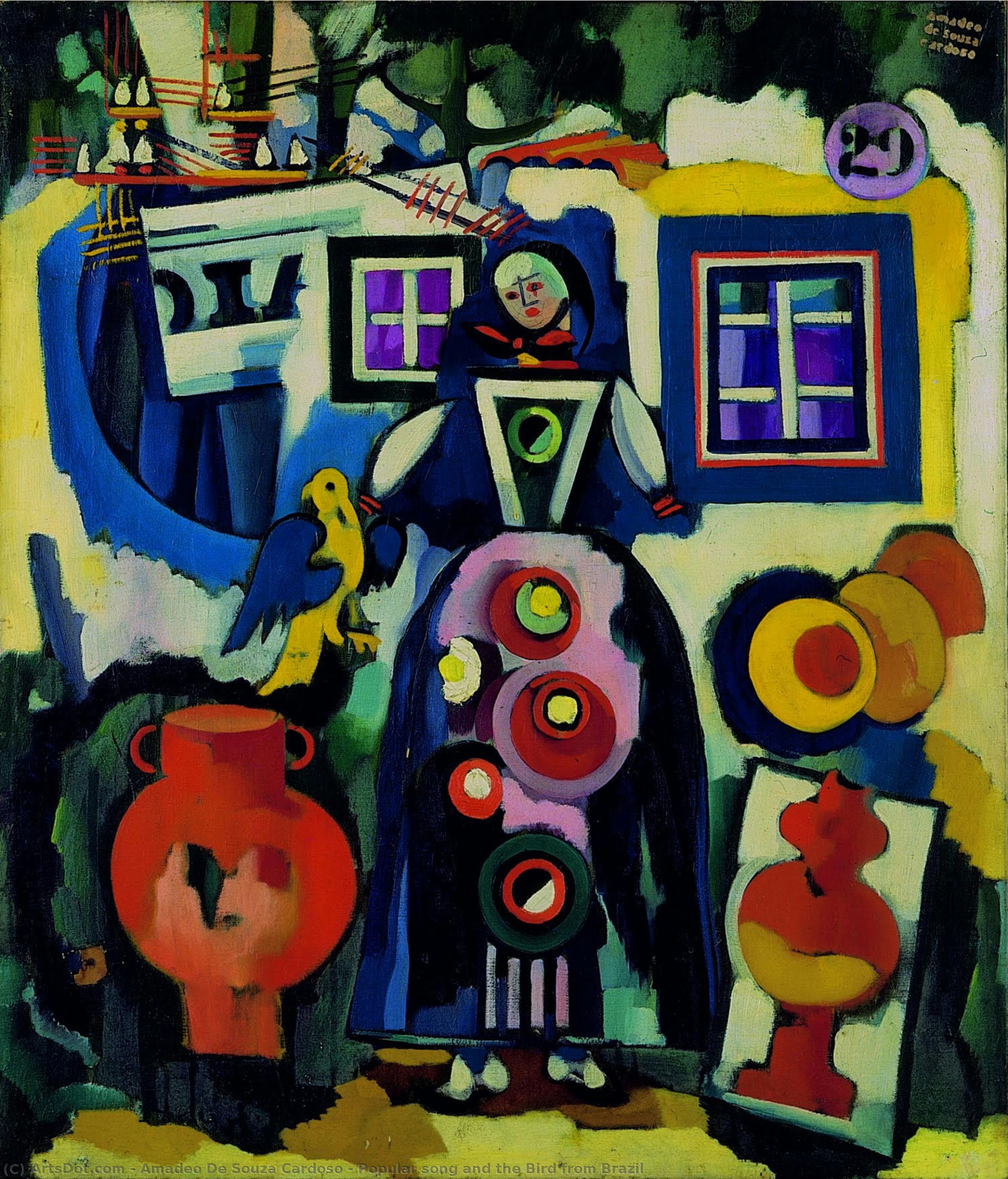
Popular song og fuglen fra Brasil


 Vis hele teksten
Håndlaget oljereproduksjon
Håndmalt olje på lerret i din valgte størrelse og ramme, laget på bestilling av våre kunstnere. ( Kjøp trykk Kjøp bilde)




P118B $10

P118H $10

P118W $10

P438Z $10

P508JH $12

P508YH $12

P805H $10

P805Z $10

P919BZ $10

P919G $10

P919XJ $10

P959ZH $10

P968JZ $12

W106C $8

W218G $10

W218JH $8

W218Y $10

W307PJ $10

W316G $10

W316PJ $8

W316Y $10

W398PJ $8

W4111J $10

W500HY $15

W500JH $15

W692G $12

W849H $8

W940BG $15

W953PJ $8




Velg mellom våre forhåndsdefinerte størrelser som bevarer kunstverkets opprinnelige proporsjoner.

Du kan angi egne mål for å tilpasse en spesifikk ramme eller plass. Dersom den valgte størrelsen ikke samsvarer med originalbildets proporsjoner, vil vi enten beskjære kunstverket eller utvide maleriet med ytterligere håndmalte elementer. En digital mockup vil bli sendt til din godkjenning før produksjonen starter.
Vennligst merk at forhåndsvisningen på skjermen ikke gjenspeiler den faktiske beskjæringen eller utvidelsen. Kun mockuppen vil vise den endelige komposisjonen nøyaktig.
Selv om tilpassede størrelser er tilgjengelige, anbefaler vi å velge et mål fra den forhåndsdefinerte listen for å bevare de originale proporsjonene.
Etter bestilling vil OriginalUniqueArt.com-teamet sende e-post til kunden for instruksjoner og sende et utkast (mockup) som forhåndsvisning.
Verdensomspennende levering () på 3–4 uker i stedet for standard 5 uker. (17 August). Ingen kompromisser med kvaliteten.

Gratis ekspressfrakt over hele verden

Lerretsduk av høykvalitets lin

Full forsikring under transport

Garanti for refusjon av toll og importavgifter

Garantert korrekt fargegjengivelse

60 dagers returrett (kun ved feil)

100% pengene tilbake-garanti

Rabatt ved flere kjøp
 Glassalternativet er kun tilgjengelig i størrelser under 110 cm

Popular song og fuglen fra Brasil
Teknikk for reproduksjon
Størrelse på reproduksjon
-


Endelig pris
$ 300
Beskrivelse av kunstverket
Popular Song and the Bird from Brazil – A Vision of Portuguese Modernism
Amadeo de Souza-Cardoso’s “Popular Song and the Bird from Brazil,” created in 1916, stands as a cornerstone of Portuguese Expressionism and embodies the fervent spirit of artistic experimentation that characterized the era. This painting isn't merely a depiction of a scene; it’s an immersive experience into a worldview shaped by influences ranging from Cubism to Futurism – movements that were actively reshaping European art at the time. Souza-Cardoso, born in Manhufe in 1887, possessed an extraordinary ability to synthesize disparate artistic currents and translate them into powerfully emotive visual language. His journey began with architectural studies in Lisbon but swiftly pivoted towards painting, fueled by a profound fascination for caricature and driven by an irresistible desire to engage with the vanguard of his time.- Subject Matter & Composition: The artwork portrays a woman standing before a house, accompanied by a bird perched upon her shoulder – a motif that speaks volumes about themes of femininity, freedom, and connection with nature. Scattered throughout the canvas are additional figures and objects—a vase, clocks, and birds—creating a bustling tableau that captures the dynamism of daily life.
- Style & Technique: Souza-Cardoso’s masterful use of oil paint on canvas exemplifies Expressionist principles. Bold brushstrokes convey emotion rather than precise representation, prioritizing subjective experience over objective observation. The fragmentation of forms – characteristic of Cubism – subtly disrupts traditional perspective, inviting viewers to contemplate the scene from multiple viewpoints.
- Symbolism & Emotional Impact: The bird symbolizes hope, resilience, and spiritual aspiration – concepts central to Expressionist thought. Its presence on the woman’s shoulder suggests a harmonious relationship between humanity and the natural world, reflecting Souza-Cardoso's deep appreciation for rural landscapes and his desire to convey profound emotional resonance.
- Influence & Legacy: Souza-Cardoso’s work continues to inspire artists today. His pioneering approach to artistic expression established a precedent for subsequent generations of Portuguese painters who sought to forge their own distinctive voices within the broader context of European modernism. “Popular Song and the Bird from Brazil” remains a testament to his unwavering commitment to innovation and his ability to capture the essence of human experience.
Further Exploration & Reproduction Recommendations
For those captivated by Souza-Cardoso’s vision, OriginalUniqueArt.com offers exceptional reproductions crafted with meticulous attention to detail. Explore high-resolution prints that faithfully recreate the painting's vibrant colors and textural nuances—allowing you to bring this iconic artwork into your home or studio. Discover more about Amadeo de Souza-Cardoso’s artistic journey and his enduring influence on Portuguese art history.Om kunstneren
Amadeo de Souza-Cardoso: A Pioneer of Portuguese Modernism
Amadeo de Souza-Cardoso, a name resonating with the vibrant energy of early 20th-century modernism, remains a somewhat enigmatic figure despite his pivotal role in bridging Portuguese art to the international avant-garde. Born on November 14, 1887, in Manhufe, Mancelos, Amarante, Portugal, his brief but intensely creative life was marked by a restless spirit and an unwavering dedication to artistic innovation. From humble beginnings rooted in the rural landscapes of his homeland, Souza-Cardoso embarked on a journey that would lead him to the heart of Parisian modernism, where he forged connections with some of the most influential artists of his time – Modigliani, Brancusi, Delaunay, and Gris among them. His early education began with architectural studies in Lisbon, but it was the allure of painting, particularly the expressive power of caricature, that truly captured his imagination and set him on a path toward artistic exploration. This initial foray into art wasn’t merely technical training; it was an awakening to the potential of visual language as a means of commentary and self-expression.- Early Life & Education: Amadeo’s formative years were spent in Manhufe, where he absorbed the traditions of rural Portugal. His architectural studies provided him with foundational knowledge but it was caricature—a medium that allowed for biting social critique—that ignited his artistic passion.
- Parisian Encounters & Artistic Development: In 1906, Souza-Cardoso relocated to Paris, immersing himself in the city’s burgeoning artistic milieu. He quickly embraced Cubism and Futurism, establishing himself as one of Portugal's first true modern painters. His style was characterized by bold forms, vibrant colors, and dynamic compositions—a deliberate rejection of academic conventions.
- Key Influences: Souza-Cardoso drew inspiration from masters like Brancusi and Gris, whose sculptural and painterly explorations mirrored his own quest for expressive abstraction. He actively participated in Salon des Indépendants and the Armory Show, showcasing his innovative work to an international audience.
- Synthesis of Styles: Unlike many artists of his era who merely adopted trends, Souza-Cardoso synthesized them with his unique sensibility. His paintings weren’t simply representations of reality; they were investigations into perception, emotion, and the essence of form itself—a testament to his artistic genius.
Notable Works & Artistic Style
Souza-Cardoso's oeuvre is marked by a distinctive stylistic approach that blended Cubism, Futurism, and Expressionism. His canvases pulsated with vibrant color palettes and dynamic compositions—often employing fragmented perspectives to challenge conventional viewpoints. Consider *Saut du Lapin* (1911) and *Cabeça* (1913)—works that exemplify his experimentation with abstraction while retaining a palpable connection to Portuguese cultural heritage. These paintings weren’t chaotic; they were carefully balanced structures revealing a profound artistic vision beneath the surface. His participation in exhibitions like the Salon des Indépendants cemented his reputation as a vanguard artist, bringing Portuguese innovation to the forefront of European art discourse.Recognition & Legacy
Despite initial obscurity following Souza-Cardoso’s untimely death in 1918—a victim of the Spanish Flu pandemic—his contributions to Portuguese modernism have gained renewed appreciation in recent decades. Two major retrospectives – one in 1958 and another at the Grand Palais in Paris in 2016 – reintroduced his work to a wider audience, solidifying his place in art history. Today, his paintings reside in museums across Europe, including Plymouth City Museum & Art Gallery, alongside masterpieces by other prominent artists of the era. His legacy continues to inspire contemporary painters—a reminder that artistic innovation transcends temporal boundaries and cultural distinctions.Concluding Thoughts
Amadeo de Souza-Cardoso’s brief but impactful life stands as a beacon for Portuguese art history. He wasn't merely an artist; he was a translator of ideas, bridging the gap between tradition and modernity—a pioneer who dared to reimagine visual language as a tool for profound artistic expression.
Amadeo de Souza-Cardoso
1887 - 1918 , Portugal
Kort om kunstneren
- Artistic Movement Or Style: Modernism, Cubism, Futurism
- Artists Or Movements Influenced By This Artist:
- Cubism
- Futurism
- Artists Who Influenced This Artist:
- Modigliani
- Brancusi
- Delaunay
- Gris
- Date Of Birth: 14 november 1887
- Date Of Death: 25 october 1918
- Full Name: Amadeo de Souza-Cardoso Ferreira
- Nationality: Portugisisk
- Notable Artworks:
- Saut du Lapin
- Cabeça
- Place Of Birth: Manhufe, Portugal
Relaterte artikler
Kubistisk Ekspresjonisme: Topp 10 Mesterverk som Formet Kunsten | OriginalUniqueArt.no
Utforsk de 10 mest innflytelsesrike kubistiske og ekspresjonistiske mesterverkene fra Picasso, Braque & Gris. Lær historien bak ikoniske malerier og finn inspirasjon til ditt interiør med OriginalUniqueArt.no – museumskvalitet reproduksjoner online!

Deconstructing Reality: Cubist Expressionism's Aesthetic & Philosophical Foundations
Explore the profound aesthetic & philosophical foundations of Cubist Expressionism. Discover key artists, movements, and lasting influence on modern art history. A guide for discerning collectors.
Cubist Expressionism for Hospitality Design: Integrating Geometric Structure with Emotional Depth
Elevate hospitality interiors with Cubist Expressionism. An expert guide for hotel designers on integrating geometric form and raw emotion through high-quality, custom-sized oil reproductions and large-scale multi-panel installations for professional art procurement.
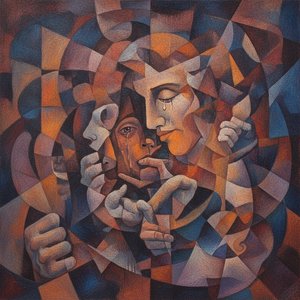
Beyond the Surface: Exploring the Emotional Depth of Cubist Expressionism
Discover the profound emotional resonance within Cubist Expressionism. Explore how fragmented forms and geometric abstraction convey deep human feeling through an expert art-historical lens for the discerning collector.

Benedito Calixto: A Brazilian Modernist's Landscape of Memory & National Identity
Explore the captivating world of Benedito Calixto, a pivotal Brazilian Modernist painter. Discover his iconic landscapes, the story behind the famous Bandeirante portrait, and his lasting impact on Brazilian national identity. Learn more at OriginalUniqueArt.