Abstract Expressionism · 1947
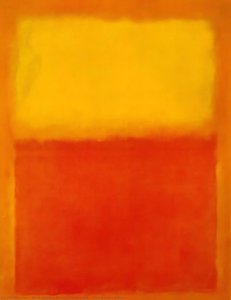
Untitled (Mark Rothko, 1947)
Mark Rothko (1903–1970) har laget Untitled. Den er fra 1947. Det tilhører Abstract Expressionism-bevegelsen. Den er laget i Acrylic On Canvas. Mål: 96 × 53 cm
- 1947
- Acrylic On Canvas
- 96 × 53 cm

 Forhåndsvisning

 Håndmalt oljemaleri
 Send
 Del
 Utskriftsvennlig guide


 Last ned bilde
 Liknende objekter
 Røntgenundersøkelse
 Lysbildefremvisning
 Spørsmål og svar

 Statistikk
Untitled: det viktigste
- Tittel
- Untitled
- Kunstner
- Mark Rothko (1903–1970)
- Kunstner født i
- Daugavpils, Latvia
- Dato
- 1947
- Medium
- Acrylic On Canvas
- Dimensjoner
- 96 × 53 cm
- Bevegelse
- Abstract Expressionism
- Periode
- Modern
- Motiv
- abstract, color field, emotion, tranquility, depth, layered
Hva forestiller Untitled?
A Window into the Soul: Exploring Mark Rothko’s 1947 Untitled Painting
This captivating work by Mark Rothko, created in 1947, exemplifies a pivotal moment in the artist's transition towards his signature Color Field style. Measuring 96 x 53 cm, this painting isn’t about *what* it depicts, but rather *how* it makes you feel – a hallmark of Abstract Expressionism and Rothko’s enduring legacy.Style & Technique: Gestural Abstraction and the Birth of Color Fields
The artwork is deeply rooted in Abstract Expressionism, specifically leaning towards gestural abstraction. Unlike purely abstract works that might emphasize geometric forms, this piece showcases a fluidity and spontaneity achieved through loose brushstrokes and washes of color. Rothko masterfully employs a wet-on-wet blending technique, allowing hues to seamlessly merge and create atmospheric depth. While reminiscent of the later, more defined Color Field paintings – like his iconic series of stacked rectangles – this 1947 work retains a greater textural variation, hinting at the emotional turmoil and experimentation that characterized his artistic evolution. The layering of paint creates a sense of movement within the composition, drawing the eye upwards through subtle shifts in tone and saturation.Historical Context: Post-War Emotion & Artistic Innovation
Created immediately after World War II, this painting reflects the anxieties and existential questioning prevalent during that era. Abstract Expressionism emerged as a response to the horrors of war, rejecting traditional representational art in favor of expressing raw emotion and subjective experience. Rothko, having immigrated from Latvia as a child, carried with him a sense of displacement and cultural shift which profoundly influenced his artistic vision. This period saw American artists seeking new ways to articulate universal human experiences – grief, hope, spirituality – through non-figurative forms.Symbolism & Emotional Resonance
While Rothko resisted explicit interpretations of his work, the painting undeniably evokes a powerful emotional response. The muted tones and lack of defined shapes contribute to a sense of tranquility tinged with melancholy. The amorphous, organic forms suggest hidden depths and invite introspection. It’s not about recognizing *something* in the painting; it's about allowing the colors and textures to resonate within you, prompting personal reflection. Rothko aimed to create paintings that were almost like spiritual experiences – spaces for contemplation and emotional release.Interior Design & Collecting Considerations
This piece, or a high-quality reproduction, would serve as a striking focal point in a modern or minimalist interior. Its subdued palette lends itself well to spaces seeking calm and sophistication. The vertical orientation makes it ideal for hallways or above seating areas. As an early example of Rothko’s evolving style, this work represents a significant investment for collectors interested in the development of Abstract Expressionism. It offers a glimpse into the artist's formative years and foreshadows the iconic Color Field paintings that would define his career.- Dimensions: 96 x 53 cm
- Date: 1947
- Style: Abstract Expressionism, Gestural Abstraction, Color Field (Proto)
- Materials: Likely oil or acrylic on canvas.
Untitled i høy oppløsning
Beskyttet av opphavsrett: bildet er kun vist som referanse.
Flere størrelser, utsnitt og sitering →Mark Rothko, Untitled (1947).
Spørsmål om Untitled
Hvilken teknikk og hvilket årstall er "Untitled" av Mark Rothko fra?
"Untitled" av Mark Rothko er utført i Acrylic On Canvas og er datert 1947.
Hvordan relaterer stilen i "Untitled" seg til kunstnerens epoke?
I "Untitled" av Mark Rothko møtes Abstract Expressionism-retningen og Moderne tid-epoken.
Hva slags verk er "Untitled"?
"Untitled" er et WallArt-verk.
Hvor kan jeg finne en guide til "Untitled"?
En Faktablad for studenter-side er tilgjengelig for "Untitled" av Mark Rothko: et utskrivbart faktablad om kunstverket, designet for studenter og bruk i klasserommet.
Hvilken teknikk og stil karakteriserer "Untitled" av Mark Rothko?
"Untitled" av Mark Rothko kombinerer Acrylic On Canvas-teknikken med Abstract Expressionism-stilen. Teknikk og stilretning beskriver verkets utførelse og estetiske uttrykk.
Hvilket motiv og hvilken atmosfære forener "Untitled" av Mark Rothko?
"Untitled" viser abstract, color field, emotion, tranquility, depth, layered, atmospheric, rothko, og den formidlede stemningen er Serene.
Hva anbefales brukt til "Untitled" av Mark Rothko?
Anbefalt bruk av et trykk av "Untitled" er Mood.
Hva har "Untitled" til felles med resten av Mark Rothko sin produksjon?
I Mark Rothko sitt kunstnerskap befinner "Untitled" seg innenfor Abstract Expressionism-stilen, sammen med temaene key rothko exploration of color & emotio, foundational to his style., color field, abstract expressionism, minimalism, existentialism, post-war anxiety, spiritual reflection.
Hvilken fase i Mark Rothko sin karriere tilsvarer datoen 1947 for "Untitled"?
Dateringen fra 1947 plasserer "Untitled" i Mature Period av Mark Rothko sin kunstneriske utvikling.
Om kunstneren, Mark Rothko

1903–1970, Latvia
Mark Rothko
Mark Rothkos tidlige liv Mark Rothko ble født som Markus Yakovlevich Rothkowitz i 1903. Han ble født i Dvinsk, Russland, i et område som i dag er kjent som Daugavpils i Latvia. Familien hans levde innenfor bosetningsområdet for jøder, en region preget av politisk uro og den konstante skyggen av pogromer. Denne atmosfæren av ustabilitet fulgte familien da de emigrerte til USA i 1913.
Også av Mark Rothko
 Hvit Senter1950
 Ingen.1
 Nr. 61 (Rust og blå)1953
 Orang og gul1956
Essays om Untitled
 The Triadic Resonance of Artistic Choice: Exploring Emotional Response to Multiple Interpretations of a Singular ConceptExplore the emotional power of art & discover how skilled artists create lasting masterpieces. Custom paintings, expert consultations, & mu…
 Mark Rothkos 25 Mesterverk: Følelser i Farge – Kunst for Ditt Hjem | OriginalUniqueArt.noOppdag Mark Rothkos 25 mest ikoniske malerier! Fordyp deg i abstrakt ekspresjonisme, fargefeltmaling og emosjonell kunsthistorie. Finn insp…
 The Architecture of Emotion: A Connoisseur’s Guide to the Chromatic Sublimity of Mark RothkoExplore the profound emotional landscapes of Mark Rothko. An expert editorial on Color Field painting, decoding the spiritual depth, techni…