Baroque · 1592
Pan (Annibale Carracci, 1592)
Annibale Carracci (1560–1609) har skapt Pan. Den er fra 1592. Det tilhører Baroque-bevegelsen. Laget i Oil On Canvas. Verket er bevart ved National Gallery of Victoria i Melbourne, Australia. Mål: 109 × 135 cm
- 1592
- Oil On Canvas
- 109 × 135 cm
- National Gallery of Victoria, Melbourne

 Forhåndsvisning

 Håndmalt oljemaleri
 Send
 Del
 Faktablad for elever


 Last ned bilde
 Liknende objekter
 Røntgenundersøkelse
 Lysbildefremvisning
 Spørsmål og svar

 Statistikk
Pan, kort fortalt
- Tittel
- Pan
- Kunstner
- Annibale Carracci (1560–1609)
- Kunstner født i
- Bologna, Italia
- Dato
- 1592
- Materiale
- Oil On Canvas
- Mål
- 109 × 135 cm
- Utstillingssted
- National Gallery of Victoria, Melbourne, Australia
- Bevegelse
- Baroque
- Motiv
- pan, greek god, mythology, carracci, foreshortening, renaissance
Hva forestiller Pan?
A Vision of Rustic Divinity: Annibale Carracci’s Pan
Annibale Carracci's "Pan," painted circa 1592, is not merely a depiction of the Greek god; it’s an embodiment of primal nature, a vibrant assertion of earthly delight rendered with breathtaking technical skill and imbued with the burgeoning spirit of the Bolognese school. This painting transcends simple portraiture, offering instead a glimpse into a world teeming with instinct, fertility, and the intoxicating allure of the wild. Commissioned by Cesare d'Este for his opulent Palazzo dei Diamanti in Ferrara – a palace itself reflecting the lavish tastes of the Renaissance court – “Pan” was intended to be part of a larger decorative scheme, a carefully orchestrated symphony of classical mythology designed to evoke grandeur and celebrate the power of the Este family.
Carracci’s genius lies in his masterful manipulation of perspective and color. The scene unfolds with a dramatic *di sotto in sù* foreshortening – a technique borrowed from earlier Renaissance masters but perfected by Carracci – that draws the viewer into the god's immediate presence. Pan, seated atop a ram or goat (the animal’s identity deliberately ambiguous), is presented not as an imposing deity, but as a youthful, almost mischievous figure. His pose is relaxed, his expression playful, and his limbs are rendered with a remarkable sense of naturalism that distinguishes this work from the more idealized depictions prevalent at the time. The rich palette – dominated by earthy reds, ochres, and greens – creates a tactile quality, inviting the viewer to almost feel the warmth of the Italian sun on Pan’s skin and the rough texture of his attire.
The Language of Symbolism
Pan, in Greek mythology, is the god of shepherds, flocks, wild animals, music, and revelry. He embodies the untamed spirit of nature, a force both alluring and potentially dangerous. Carracci’s portrayal captures this duality perfectly. The ram or goat beneath Pan isn't simply an animal; it represents fertility, abundance, and the cyclical rhythms of life and death – essential themes within the context of the Renaissance fascination with classical antiquity. The inclusion of the pipe, a traditional instrument associated with Pan, further reinforces his role as the patron of music and dance, suggesting a celebration of earthly pleasures.
Notably, the presence of the book or scroll in Pan’s hand hints at a deeper layer of meaning. While often depicted as a wild god, Pan was also associated with prophecy and knowledge – a connection that aligns with the intellectual climate of Renaissance Italy. The object could represent his ability to interpret the signs of nature, offering a glimpse into the mysteries of the world.
A Bridge Between Eras
“Pan” stands as a pivotal work in the transition from the High Renaissance to the Baroque period. Carracci’s embrace of naturalism and dramatic perspective – hallmarks of the Bolognese school – paved the way for the heightened emotional intensity and dynamic compositions that would characterize the Baroque style. His meticulous attention to detail, combined with his innovative use of *di sotto in sù* foreshortening, demonstrates a profound understanding of both classical principles and contemporary artistic trends. The painting’s placement within a larger decorative scheme further highlights its significance as a key element in the revival of classical art during the late 16th century.
A Timeless Appeal
More than four centuries after its creation, “Pan” continues to captivate viewers with its vibrant energy and evocative imagery. It’s a painting that speaks to our enduring fascination with nature, mythology, and the primal instincts that lie at the heart of human experience. Reproductions of this masterpiece offer an opportunity to bring this extraordinary vision into any setting, adding a touch of rustic divinity and timeless beauty to your home or office.
Hvilket museum har Pan?
National Gallery of Victoria
Melbourne, Australia
Opprinnelse og historie til National Gallery of Victoria National Gallery of Victoria ble grunnlagt i 1861, i en brytningstid preget av gullrushet – en epoke som brakte med seg en eksplosiv vekst for kolonien. Institusjonen startet sin reise som et beskjedent arkiv for gipsavstøpninger, et forsøk på å skape en kulturell bro til de etablerte kunsttradisjonene i Europa. Denne innledende samlingen var et pragmatisk svar på kolonitidens ambisjoner, et ønske om å oppnå kulturell likeverd med de gamle, veletablerte stormaktene.


Høyoppløselige bilder av Pan

Fritlig eiendom: kunstneren døde i 1609.
Andre størrelser, beskjæringer og siteringer →Annibale Carracci, Pan (1592), National Gallery of Victoria. Fri tilgjengelighet
Spørsmål om Pan, besvart
Hvor kan "Pan" av Annibale Carracci sees utstilt i dag?
Originalen av "Pan" av Annibale Carracci oppbevares i National Gallery of Victoria, Melbourne, Australia. En reproduksjon gjør det mulig å stille ut verket i eget hjem.
Når ble "Pan" laget?
"Pan" av Annibale Carracci ble skapt i 1592.
Hvilken teknikk er brukt i "Pan" av Annibale Carracci?
"Pan" av Annibale Carracci er utført i Oil On Canvas. Reproduksjonene har som mål å gjengi utseendet til denne teknikken.
Hva er målene på det originale verket "Pan" av Annibale Carracci?
Det originale verket "Pan" av Annibale Carracci måler 109 x 135 cm.
Hva forestiller "Pan"?
Motivene i "Pan" er pan, greek god, mythology, carracci, foreshortening, renaissance, baroque, deity.
Er bildet av "Pan" av Annibale Carracci i det frie domene?
Opphavsrettslig status for "Pan" av Annibale Carracci: verket er fritt tilgjengelig – opphavsretten har utløpt. Dette avgjør om det er tillatt å lage frie reproduksjoner av bildet.
Hvilken kunstner kan "Pan" tilskrives?
"Pan" ble skapt av Annibale Carracci. Informasjonen på denne siden beskriver Annibale Carracci sitt originale verk.
Hvilken stilart tilhører "Pan"?
"Pan" er et verk innenfor Baroque. Retningen angir den kunstneriske tradisjonen verket er en del av.
Hvilken fase av Annibale Carracci sin kunstneriske utvikling representerer "Pan"?
I Annibale Carracci sin karriere tilhører "Pan" Mature Period. Denne perioden gjør det mulig å sammenligne verket med kunstnerens øvrige arbeider.
Om kunstneren, Annibale Carracci
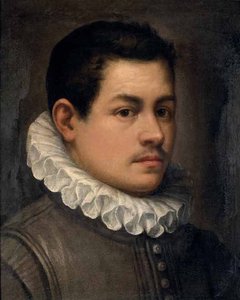
1560–1609, Italia
Annibale Carracci
Early Life and the Bolognese Roots Annibale Carracci, født i Bologna den 3. november 1560, steg ut fra en familie dypt forankret i kunstnerisk tradisjon. Hans tidlige opplæring fant sannsynligvis sted i det nærende miljøet av sin families verksted, og la grunnlaget for en karriere som skulle fundamentalt endre landskapet til italiensk maleri. Bologna var på denne tiden et pulserende knutepunkt for intellektuell og kunstnerisk fermentering, likevel føltes det noe distansert fra de dominerende strømmene som kom fra Roma og Venezia.
Andre verk av Annibale Carracci
 Bønneeteren Sol
 Herkules' valg
 Valget til Herakles1596
 Elvlandskap1589

Essays om Pan
 The Language of Animals in Art: From Ancient Egypt to the RenaissanceExplore the profound history of animal symbolism from Egypt to the Renaissance. Trace these ancient motifs through art history now.
 Annibale Carracci: Bridging Renaissance Ideals & Baroque InnovationExplore the life & art of Annibale Carracci, a pivotal figure bridging Renaissance ideals with Baroque innovation. Discover his masterpiece…
 Divine Beauty: The 25 Most Iconic Masterpieces by Fra AngelicoJourney through the divine beauty of Fra Angelico's finest works. Explore 25 iconic Renaissance masterpieces, from ethereal frescoes to sac…