An Echo of Renaissance Grandeur
Nestled amidst the rolling hills of Castelrotto, Italy, Villa Medici stands as a breathtaking testament to the enduring legacy of one of history’s most influential families. While often overshadowed by its more famous Roman counterpart, this villa possesses a unique charm and profound significance, offering visitors an intimate glimpse into a world where art, culture, and intellectual pursuit converged in perfect harmony. The very name “Medici” conjures images of Renaissance splendor and the transformative patronage that fueled artistic innovation; this Italian estate embodies that spirit with every stone and sculpted leaf. Though the specific details of its earliest construction remain somewhat elusive, the villa clearly reflects the architectural sensibilities prevalent during the Renaissance—an elegant balance between structure and landscape, celebrating proportion, beauty, and the humanistic ideals of the era.
To walk through the halls of Villa Medici is to imagine Cosimo I de' Medici himself strolling through these grounds, perhaps discussing philosophy with visiting scholars or commissioning masterpieces from the leading artists of his age. The architecture exemplifies Renaissance ideals, prioritizing symmetry and a seamless integration with the surrounding Tuscan landscape. This vision was further solidified in 1538 when Cosimo I commissioned Niccolò Tribolo to redesign the villa, establishing a prototype for Italian Renaissance garden design. This deliberate statement of power and humanist values would eventually serve as a primary inspiration for the famed Boboli Gardens in Florence, demonstrating how the artistic movements born within these walls rippled across Europe.
Gardens of Inspiration and Living History
The true heart of Villa Medici lies in its extraordinary gardens, a designated UNESCO World Heritage site that transcends mere ornamentation. These are not simply manicured spaces but pivotal historical monuments that represent a transformative moment in the history of landscape design. A stroll through these terraced wonders reveals a carefully orchestrated interplay of water features, classical sculptures, and meticulously arranged flora. The Fountain of Hercules and Antaeus, featuring dynamic bronze figures by Bartolomeo Ammannati, commands attention with its raw strength, while the Grotto of Animals offers a whimsical escape into a world of sculpted creatures and hidden delights. Beyond these formal arrangements, the expansive “Selvatico” area provides a tranquil, naturalistic counterpoint, inviting deep contemplation amidst ancient oaks and cypresses that connect the visitor to the untamed beauty of the Tuscan countryside.
Beyond its aesthetic splendor, Villa Medici serves as an esteemed sanctuary for intellectual life, most notably as the home of the Accademia della Crusca. Founded in 1583, this prestigious institution is dedicated to the study and preservation of the Italian language, establishing the very standards for grammar and vocabulary that shape the nation's linguistic identity. The presence of such a scholarly body, once overseen by figures as monumental as Galileo Galilei, imbues the villa with a distinctive intellectual atmosphere. Visitors can sense the weight of history within these walls, imagining generations of scholars meticulously analyzing texts and debating the nuances of meaning, ensuring that the villa remains not just a museum of the past, but a living testament to Italy’s enduring cultural identity.
A Convergence of Eras
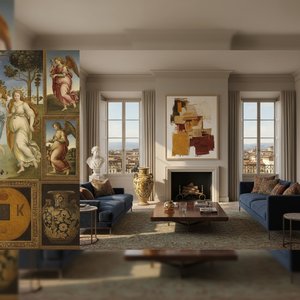
Today, Villa Medici continues to evolve as a vibrant cultural hub where contemporary creativity meets historical grandeur. While honoring its deep-rooted historical foundations, the villa embraces the present through diverse exhibitions, evocative concerts, and prestigious artist residency programs. These initiatives foster a vital artistic exchange, ensuring that the spirit of the Renaissance—a period defined by curiosity and experimentation—remains vibrantly alive. The villa’s commitment to supporting emerging artists alongside showcasing established masters creates a dynamic tension between the old and the new, offering an immersive experience where one might encounter Botticelli-inspired echoes alongside cutting-edge contemporary works.
For the art collector seeking inspiration, the interior designer searching for timeless elegance, or the traveler yearning for an authentic Italian journey, Villa Medici offers something truly incomparable. It is a destination that invites you to step back in time and immerse yourself in a sensory journey of beauty and intellect. The combination of its monumental historical significance, stunning natural landscapes, and ongoing cultural dialogue creates an unforgettable experience that lingers in the soul long after one has departed its enchanting grounds.