

A Subterranean Sanctuary: Unveiling the Vatican Grottoes
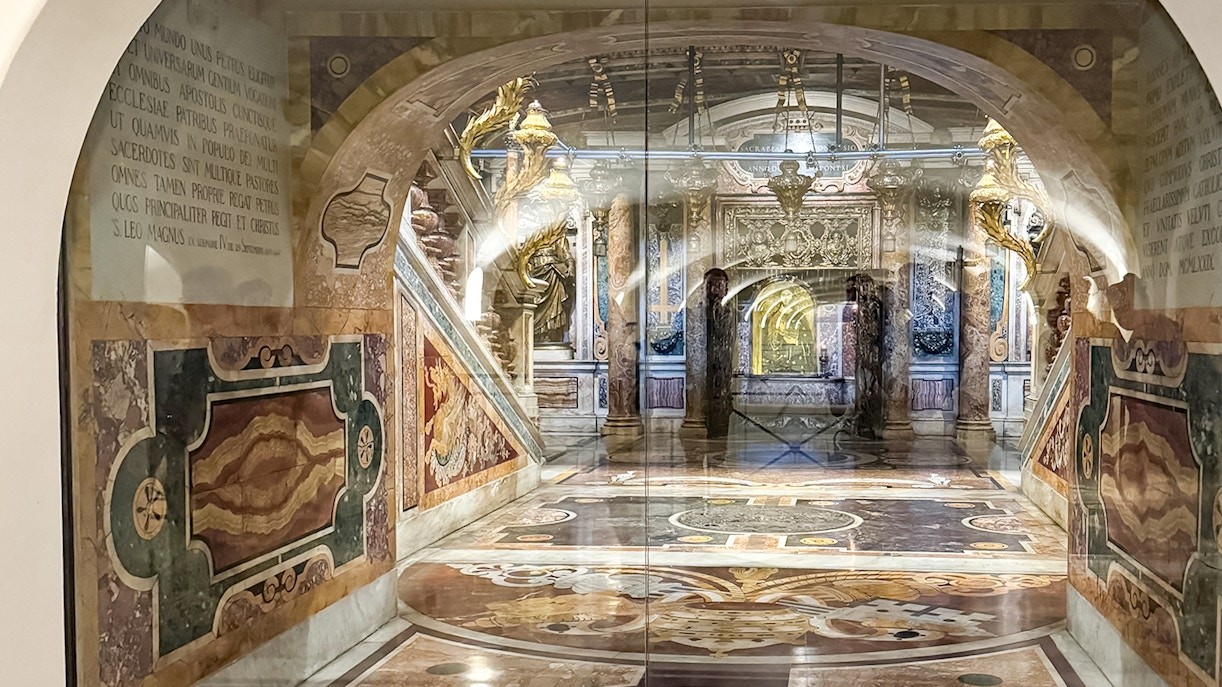
Beneath the imposing grandeur of St. Peter’s Basilica lies a world both profoundly ancient and strikingly modern – the Vatican Grottoes. More than simply a crypt, this intricate network of chambers represents centuries of faith, artistic evolution, and papal legacy, offering an intimate journey into the very heart of Christendom's narrative. Initially conceived as a structural necessity in the late 16th century to support the burgeoning Renaissance basilica above, the Grottoes swiftly blossomed into a sacred space, a testament to devotion meticulously crafted through art and architectural innovation. Walking its dimly lit corridors is akin to tracing the lineage of leadership that has shaped the Catholic Church, while simultaneously encountering a captivating visual timeline spanning centuries of artistic expression. The experience transcends mere sightseeing; it’s an immersion in history, spirituality, and the enduring power of human creativity – a place where echoes of emperors mingle with prayers whispered by generations of pilgrims.
The immediate impact of the Grottoes lies in their remarkable collection of tombs – over ninety popes, kings, queens, and prominent figures rest within these subterranean walls. These aren’t merely markers of mortality; they are portals to history, each tomb a silent witness to pivotal moments in religious and political affairs. The arrangement itself is deliberate, reflecting a progression through time and a symbolic representation of the Church’s journey. Early tombs, often simpler in design, give way to increasingly elaborate structures as one descends, showcasing the evolving artistic styles and wealth of the papacy. Beyond the sheer number of interments, it's the *quality* of the artistry surrounding each tomb that truly captivates – from the intricate mosaics depicting biblical scenes to the sculpted reliefs illustrating key moments in papal history. The meticulous craftsmanship speaks volumes about the reverence for tradition and the ambition of papal patronage throughout the ages. The air itself feels thick with centuries of devotion, a palpable sense of continuity connecting those who came before us.
However, to reduce the Grottoes to a mere necropolis would be to profoundly misunderstand their artistic richness. The walls themselves are a vibrant tapestry, adorned with frescoes, mosaics, and sculptures salvaged from the older Constantinian basilica – fragments lovingly preserved within this subterranean sanctuary. These remnants aren’t simply relics; they form a captivating visual dialogue across time, showcasing a remarkable confluence of styles reflecting the evolving aesthetic sensibilities of each era. Particular highlights include the Chapel of the Salvatorello and the Chapel of the Madonna of Bocciata, masterpieces by Giovanni Battista Ricci from the early 17th century, their hagiographic paintings radiating with Baroque fervor. The vibrant colors, dramatic compositions, and emotional intensity of these works offer a powerful glimpse into the artistic trends of the period—a testament to the Baroque’s expressive ambition and its masterful manipulation of light and shadow. The interplay between the ancient Roman mosaics and the later Renaissance additions creates an astonishing visual layering, a conversation across time that is both humbling and inspiring.
The Heart of the Grottoes: Giotto's *Navicella*
At the heart of the Grottoes’ artistic treasures resides Giotto di Bondone’s *Navicella (mosaic fragment)*. This early Renaissance masterpiece, originally part of a larger mosaic adorning the façade of an ancient Roman church, is arguably its most compelling element. The fragment depicts a turbulent sea, awestruck onlookers, and the resolute figure of Christ walking on water – a potent symbol of faith and divine power. Giotto’s skill in capturing both human emotion and the sublime—the drama of the scene, the vulnerability of the figures, and the overwhelming presence of the divine—is breathtakingly evident. The intricate details, from the ripples of the waves to the expressions of disbelief on the faces of the crowd, speak volumes about Giotto's unparalleled ability to translate spiritual concepts into visual form. More than just a beautiful artwork, the *Navicella* serves as a window into the artistic sensibilities of the 13th century, offering a tangible connection to a pivotal moment in the development of Western art—a foundational achievement that continues to inspire artists today. Its diminutive size belies its monumental impact; it’s a concentrated dose of genius, radiating with an almost otherworldly serenity.
A Testament to Papal Patronage and Architectural Innovation
The story of the Vatican Grottoes is inextricably linked to the popes who shaped its form. Pope Clement VIII initiated significant renovations in the late 16th century, establishing the “Clementine” chapel near St. Peter’s tomb and installing a seventeenth-century altar. Subsequent pontiffs continued this legacy of embellishment; Pope Paul V added corridors leading to the Confessio of Saint Peter, while Pope Urban VIII commissioned Gian Lorenzo Bernini to design four small oratories at the base of the basilica's supporting pillars – a testament to his mastery of Baroque sculpture and architecture. The addition of chapels dedicated to various nationalities – Irish, Polish, Lithuanian, Mexican – in the mid-20th century further solidified the Grottoes’ role as a universal symbol of Christian unity, reflecting the evolving global landscape of the Catholic Church. Each chapel is a miniature shrine, showcasing artistic styles and devotional practices specific to its patron nation—a microcosm of papal piety and cultural influence throughout history. The careful placement of these chapels creates a deliberate flow through the Grottoes, guiding visitors on a journey through faith and art.
Exploring the Legacy: Additional Information
Useful Links:
- Vatican Grottoes - Wikipedia : A comprehensive overview of the history, architecture, and significance of the Grottoes.
- Basilica of St. Peter Basilica ➔ Vatican Grotoes video tour, Roma, Italy : A virtual tour offering a detailed exploration of the Grottoes’ artistic and historical treasures.
- Vatican Museums - Vatican Grottoes : Official information and resources from the Vatican Museums regarding the Grottoes.
Navicella (mosaic fragment): Explore Giotto’s ‘Navicella (mosaic fragment)’ - a stunning early Renaissance masterpiece from the Vatican Grotto! Witness its intricate details & profound symbolism.
Vatican Grotto: Discover the Vatican Grottoes: an underground marvel beneath St. Peter’s Basilica! Explore papal tombs, ancient art & a spiritual journey through Christian history.