
Inhoudsopgave
Belangrijkste feiten
- Works on APS: 1
- Alternate names:
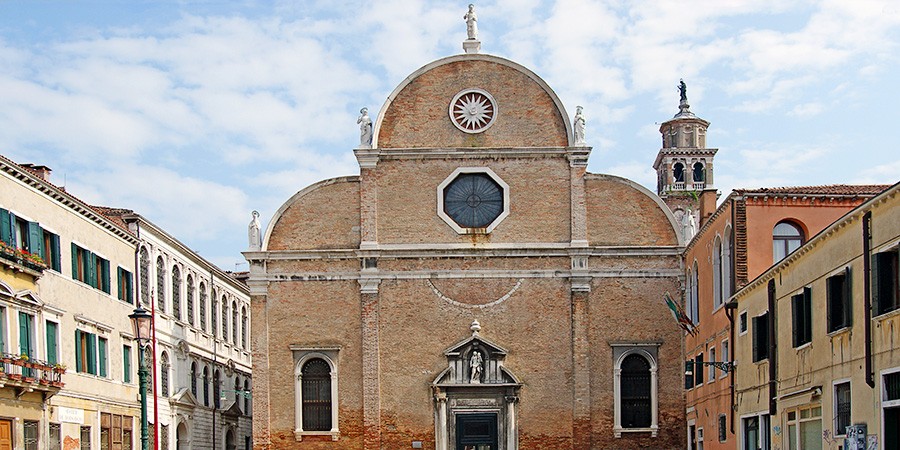
- Santa Maria Gloriosa dei Frari
- Scuola Grande dei Carmini
- Featured artists: Lorenzo Lotto
- Location: Venise, Italie
Kunstquiz
Er is slechts één correct antwoord per vraag.
Vraag 1:
Wat stijl van architectuur wordt voornamelijk zichtbaar binnen de Santa Maria dei Carmini kerk?
Vraag 2:
Waarom staat Santa Maria dei Carmini bekend als een bijzondere kunstbestemming in Venetië?
Vraag 3:
Welke Veneziaanse kunstenaar staat bekend om zijn dramatische afbeeldingen van religieuze en mythologische scènes?
Vraag 4:
Waarom is Santa Maria dei Carmini een belangrijke locatie voor het kunstgeschiedenis van Venetië?
Vraag 5:
Welke kunstenaar heeft de Scuola Grande dei Carmini gekunsteld?
Kunstenaars in de collectie

Lorenzo Lotto
Lorenzo Lotto (1480-1556): Een Venetiaanse meester met emotionele portretten & mystieke religieuze kunst. Ontdek zijn herontdekte erfenis!

Gerelateerde artikelen
Harmonizing History & Hue: A Guide to Matching Art Styles with Interior Architecture for Balanced Décor
Elevate your interior design with our expert guide to harmonizing art styles & architecture. Discover timeless pieces, color palettes, & custom artwork solutions for balanced, luxury spaces. Expert advice included!
The Eloquent Body: A Historical Survey of Figure Painting & Representation
Explore the rich history of figure painting from antiquity to the Renaissance! Discover iconic artworks, masterful techniques & enduring symbolism. Find museum-quality reproductions at OriginalUniqueArt.

Michelangelo Morlaiter: Venetian Landscapes & the Pursuit of Atmospheric Realism
Explore the captivating landscapes of Michelangelo Morlaiter, a key figure in 18th-century Venetian painting. Discover his mastery of atmospheric perspective and lasting influence on Italian art history. Learn more at OriginalUniqueArt.


Schrijf u in voor onze nieuwsbrief
Blijf op de hoogte van het laatste kunstnieuws, exclusieve aanbiedingen en decoratie-ideeën.
Ontvang 3 gratis kunstsuggesties
Vertel ons over uw project en onze kunstexperts geven u 3 gepersonaliseerde kunstsuggesties.
Not Sure Where to Start?
Let Us Curate 3 Options Just for You - Free!