A Legacy Etched in Stone and Landscape: The National Trust
The National Trust, a name synonymous with the preservation of Britain’s heritage, is far more than just a custodian of stately homes and picturesque gardens. It's a living narrative woven through centuries, a testament to the enduring power of place and the collective desire to safeguard beauty for generations to come. Founded in 1895 by visionary figures like Octavia Hill, Sir Robert Hunter, and Hardwicke Rawnsley, the Trust arose from a growing concern that Britain’s natural landscapes and historic buildings were under threat – vulnerable to unchecked development and neglect. Their initial ambition—to protect “lands and tenements of beauty or historic interest”—has blossomed into an organization responsible for nearly 250,000 hectares of land and over 780 miles of coastline, encompassing a breathtaking array of properties that tell the story of Britain itself. The very foundation of the Trust was revolutionary; it wasn’t simply about ownership but about establishing a framework for inalienability, ensuring these treasures would remain protected “for the benefit of the Nation” – a concept enshrined in subsequent Acts of Parliament and defining its enduring mission.
Hardwick Hall: An Elizabethan Masterpiece
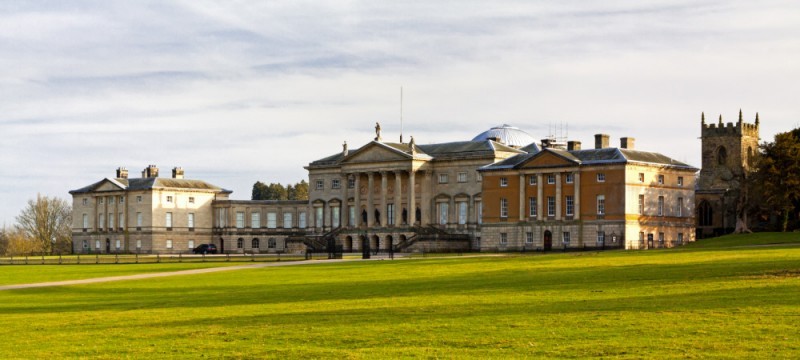
Amongst the Trust's most captivating holdings stands Hardwick Hall in Derbyshire, an architectural marvel that embodies the spirit of Elizabethan England. Built by Bess of Hardwick, a woman of remarkable ambition and influence, the hall is not merely a house but a statement – a bold declaration of power, wealth, and refined taste. Its imposing silhouette, punctuated by vast windows (more glass than wall, it was said), dominates the landscape, offering panoramic views of the surrounding parkland. Stepping inside is like entering a time capsule; the interiors remain remarkably intact, showcasing an extraordinary collection of tapestries, furniture, and needlework that reflect Bess’s discerning eye and her commitment to creating a home worthy of her status. The Hall's significance extends beyond its aesthetic appeal; it provides invaluable insight into the social and political landscape of 16th-century England, offering a glimpse into the life of one of its most compelling figures. The surrounding estate, including Stainsby Mill – a working 19th-century water mill – further enriches the visitor experience, demonstrating the Trust’s commitment to preserving not just individual buildings but entire landscapes and their associated histories.
A Tapestry of Collections
The National Trust's collections are as diverse as the properties they inhabit. From grand paintings and sculptures to humble domestic objects, each item contributes to a rich tapestry of British life. Hardwick Hall alone boasts an unparalleled collection of 16th and 17th-century needlework, showcasing the skill and artistry of generations of women. These intricate creations—often depicting floral motifs and biblical scenes—represent not only decorative excellence but also a window into the domestic rituals and beliefs of Elizabethan society. Beyond individual treasures, the Trust’s holdings encompass extensive archives, libraries, and photographic collections, providing invaluable resources for researchers and enthusiasts alike. The National Trust Collections website offers a digital gateway to this wealth of material, allowing anyone to explore its vast holdings from anywhere in the world. This commitment to accessibility is central to the Trust's ethos; it believes that heritage should be shared and enjoyed by all.
Exploring Britain’s Landscape Heritage
The Trust’s mission extends far beyond preserving buildings; it actively champions the conservation of Britain’s natural landscapes, recognizing their intrinsic value and importance for biodiversity and human wellbeing. Sites like Northumberland Coast National Park and Dartmoor National Park exemplify this dedication—protecting dramatic scenery and supporting sustainable tourism initiatives. These spaces invite contemplation and inspire a deeper appreciation for the interconnectedness between people and nature – a core principle underpinning the Trust’s broader conservation strategy.
A Vision for Future Generations
Looking ahead, The National Trust remains steadfast in its commitment to safeguarding Britain's heritage for future generations. Through innovative educational programs and collaborative partnerships, it strives to foster a sense of stewardship and inspire curiosity about our shared history. By continuing to champion sustainable practices and engage communities in conservation efforts, the Trust ensures that these treasured places endure as sources of beauty, inspiration, and cultural enrichment—a legacy etched not just in stone, but in the very landscape itself.