

Milton Keynes Civic Offices: A Testament to Modern Urban Vision
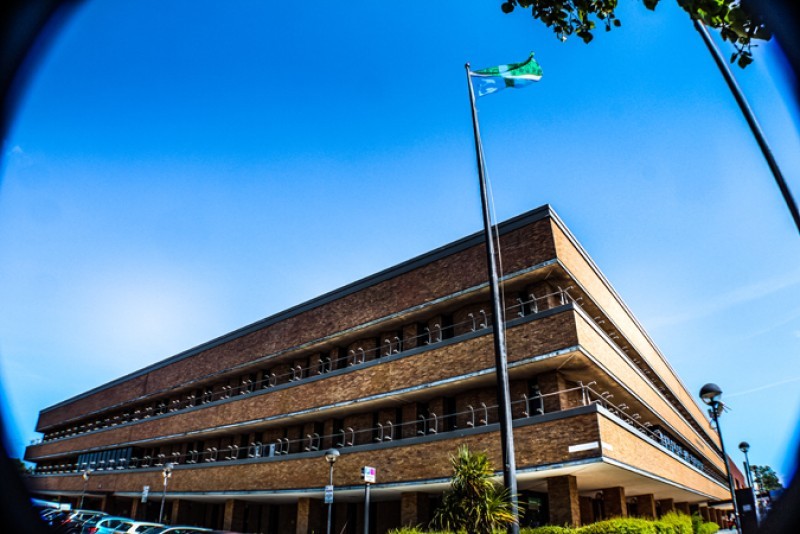
The Milton Keynes Civic Offices stand as a striking emblem of British new town development—a deliberate departure from the densely populated, historic landscapes of London. More than just a functional building housing local government, it’s a carefully considered architectural statement that embodies the principles of efficient urban planning and celebrates green spaces, reflecting the ambitious spirit of Milton Keynes' creation in 1967.
- Architectural Significance: Designed by Terry Farrell Associates, the building utilizes Brutalist concrete construction—a bold stylistic choice for its time—contrasting sharply with the surrounding suburban environment. Its geometric form and exposed structural elements exemplify the modernist movement’s rejection of ornamentation and embrace of functionality.
- Historical Context: Constructed during a period of significant social change, Milton Keynes was conceived as a solution to housing shortages and a catalyst for economic growth. The Civic Offices represent this vision—a proactive response to urban challenges and an investment in the future of British society.
Exploring the surrounding area offers invaluable context for understanding Milton Keynes’ identity. Consider visiting Saxon Gate, where you can appreciate the building's integration into the city center’s landscape – a deliberate effort to create a harmonious balance between urban activity and natural beauty.
Artistic Echoes: Hogarth’s Satirical Perspective
Interestingly, Milton Keynes Civic Offices shares thematic resonance with seminal artworks from the 18th century. Specifically, William Hogarth's “O the Roast Beef of Old England” serves as a powerful visual counterpoint to the building’s austere grandeur. This satirical masterpiece captures the social dynamics and moral ambiguities of Victorian Britain—a stark contrast to Milton Keynes’ optimistic outlook on progress.
Image Suggestion:
Celebrating Landscape Art: Moore’s Hudson River Legacy
Complementing Milton Keynes' urban ethos is the influence of landscape painters like Charles Herbert Moore, whose work embodies the Hudson River School tradition. Moore’s masterful depictions of American wilderness—characterized by luminous hues and serene compositions—offer a visual counterpoint to the Civic Offices’ concrete façade.
Image Suggestion: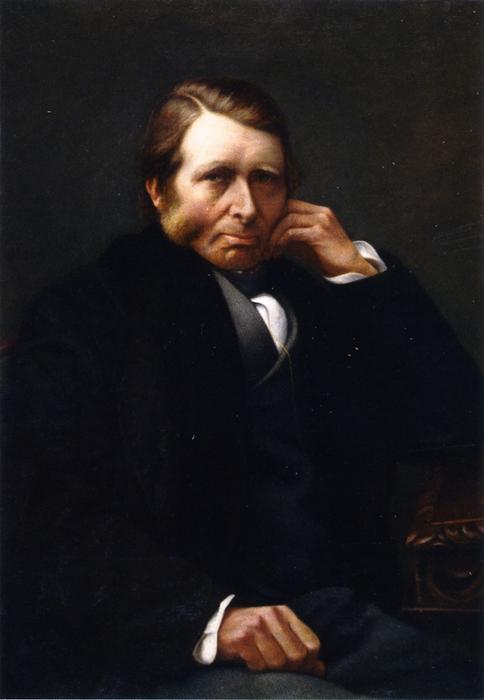
Beyond the Building Walls: Exploring Milton Keynes’ Artistic Heritage
While the Civic Offices themselves represent a singular architectural achievement, Milton Keynes boasts a broader artistic heritage. Consider delving into exhibitions showcasing contemporary British art—a vibrant expression of creativity and innovation that reflects the city's evolving cultural landscape.
A Unique Museum Experience: Connecting Past & Present
Unlike traditional museums focused solely on historical artifacts, Milton Keynes Civic Offices presents an opportunity to contemplate how artistic vision informs urban planning. It’s a space for dialogue—a reminder that beauty and functionality can coexist—and that understanding art enhances our appreciation of the world around us.