

Inhoudsopgave
Belangrijkste feiten
- Works on APS: 2
- Alternate names:
- Ikonen-Museum Recklinghausen
- RekMuseum
- Location: Recklinghausen, Deutschland
- Featured artists:
- elias moskos
- Andreas Ritzos
Kunstquiz
Er is slechts één correct antwoord per vraag.
Vraag 1:
Wat is het Ikonen-Museum Recklinghausen voornamelijk gericht op?
Vraag 2:
Welke kunsttraditie laat het museum naast Ikonen zien?
Vraag 3:
Wat onderscheidt het Ikonen-Museum Recklinghausen van andere kunstmusea?
Vraag 4:
De museumprogramma's omvatten:
Vraag 5:
Wat is de algemene sfeer van het museumgebouw bedoeld om te bevorderen?
Kunstenaars in de collectie

elias moskos
Elias Moskos (1552-1615) was a German Mannerist painter known for his portraits, religious scenes & allegorical works. Explore his art and influence on late Renaissance painting.


Andreas Ritzos
Andreas Ritzos (1421-1492) was a pivotal Greek icon painter of the Cretan School, known for his traditional maniera greca style and influence on later artists like El Greco. Explore his Madonna and Child paintings & legacy.
Gerelateerde artikelen
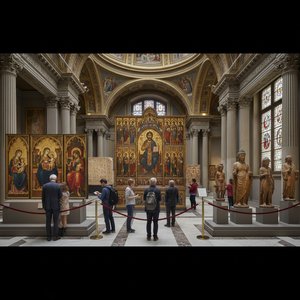
Sacred Narratives Embodied: A Comprehensive Exploration of Religious Iconography in Art History
Explore the rich history of religious iconography in art! Discover symbolism, movements & masterpieces from Byzantine to Renaissance periods. Expert insights for collectors and enthusiasts at OriginalUniqueArt.
De Majesteit van Ruimte: Architecturale Integratie en Proportionele Strategieën voor Monumentale Kunstreproducties in Luxe Interieurs
Ontdek de majesteit van ruimte met monumentale kunstreproducties. OriginalUniqueArt biedt handgeschilderde kunst, gepersonaliseerd advies & professionele integratie voor een luxueus interieur. Expertise en kwaliteit gegarandeerd.
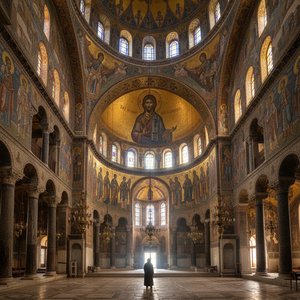
Illuminating Eternity: A Comprehensive Exploration of Byzantine Art's Legacy
Explore the rich history & stunning artistry of the Byzantine Empire! Discover iconic mosaics, profound symbolism, and lasting influence on Western art. A comprehensive guide for history lovers.
Overzicht van kunstwerken
Geen kunstwerken gevonden.


Schrijf u in voor onze nieuwsbrief
Blijf op de hoogte van het laatste kunstnieuws, exclusieve aanbiedingen en decoratie-ideeën.
Ontvang 3 gratis kunstsuggesties
Vertel ons over uw project en onze kunstexperts geven u 3 gepersonaliseerde kunstsuggesties.
Not Sure Where to Start?
Let Us Curate 3 Options Just for You - Free!