Hanswijkkerk: A Pioneering Dome Church in Limburg
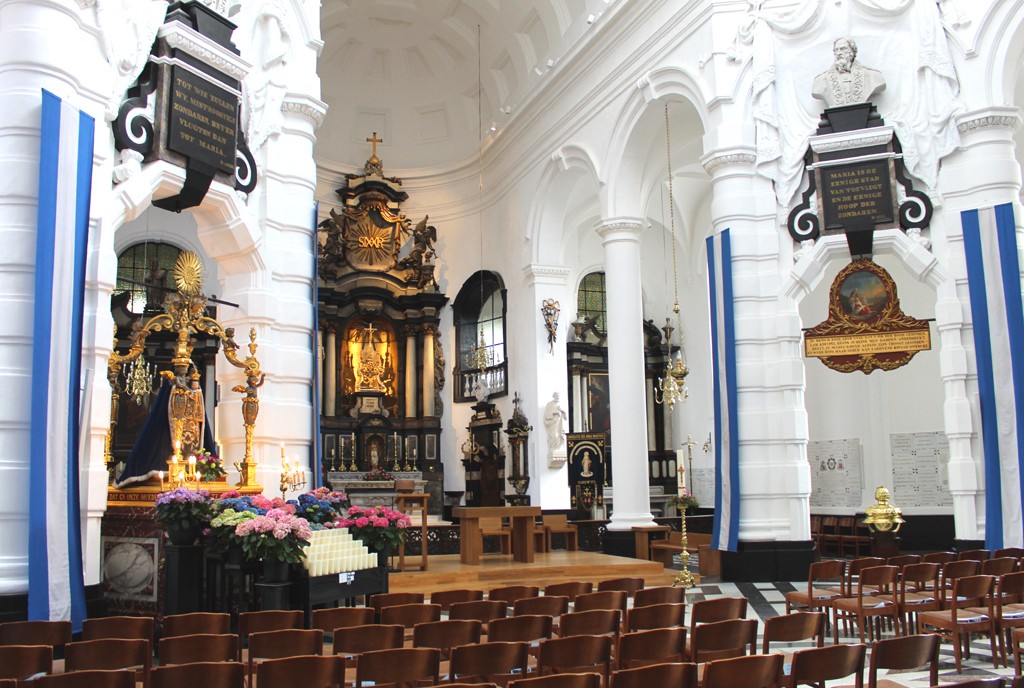
Hanswijkkerk stands as a testament to architectural innovation and religious devotion, nestled within the historic city of Hasselt, Belgium. More than just a church building, it represents a pivotal moment in Low Countries art history – the first dome church constructed in the region, marking a significant departure from established ecclesiastical design conventions. Its serene interior, bathed in natural light filtering through stained glass windows (though sadly unavailable for reproduction), invites contemplation and offers visitors an unparalleled glimpse into 17th-century artistic expression.
Architectural Marvel & Artistic Detail
The church’s defining characteristic is undeniably its magnificent dome – a bold undertaking that defied prevailing structural limitations of the time. Constructed with meticulous precision, the dome exemplifies Baroque artistry and showcases the skill of Flemish builders. Within its circular walls reside intricately carved confessionals, adorned with gilded accents and depicting scenes from biblical narratives. These confessionals are not merely functional spaces but masterpieces of craftsmanship, reflecting the spiritual fervor of their era. The overall design prioritizes spatial harmony and grandeur, creating an atmosphere conducive to prayer and artistic appreciation.
Collection Highlights: Icons of Faith & Artistic Legacy
The church’s collection boasts several treasures that captivate both art historians and pilgrims alike. Foremost among these is “The Hanswijk Madonna,” a statuette revered for centuries as a symbol of maternal piety and divine grace. Its serene countenance and masterful sculpting technique exemplify the artistic standards of its time, attracting admirers from across Europe. Furthermore, the 17th-century confessionals stand as exceptional examples of Baroque artistry, meticulously crafted with gilded panels and depicting elaborate floral motifs—a visual feast for the eyes. These pieces underscore Hasswijkkerk’s role as a repository of artistic heritage and spiritual significance.
A History Rooted in Limburgian Tradition
Hanswijkkerk's history stretches back to its founding, though precise details remain elusive from readily available sources. However, it has served consistently as a focal point for religious observance and pilgrimage within Hasselt’s vibrant cultural landscape. Its enduring presence speaks volumes about the importance of faith and artistic patronage in shaping Limburg’s identity throughout the centuries. The church's continued preservation reflects a commitment to safeguarding Belgium’s architectural heritage and honoring its spiritual traditions.
Notable Exhibitions & Ongoing Preservation Efforts
Throughout its history, Hasswijkkerk has hosted numerous exhibitions showcasing Flemish Baroque art and religious iconography. These events have drawn scholars and enthusiasts alike, furthering the understanding of artistic movements during the period. Today, ongoing preservation efforts ensure that future generations can experience the beauty and grandeur of this architectural landmark. Researchers continue to study the dome’s construction techniques and analyze pigments used in the Madonna statue, contributing to a deeper appreciation for Hasswijkkerk's artistic legacy.
What Sets Hasswijkkerk Apart: A Unique Blend of Form & Function
Ultimately, Hasswijkkerk distinguishes itself as more than just an aesthetically pleasing building; it embodies a harmonious fusion of architectural innovation and religious devotion. Its pioneering dome design challenged conventional norms, while its collection highlights—particularly “The Hanswijk Madonna” and the confessionals—represent exceptional achievements in Baroque artistry. A visit to this church offers visitors a profound encounter with Belgian art history and a tangible connection to Limburg’s spiritual heritage – an experience that transcends mere sightseeing and delves into the heart of cultural identity.