


1


Bijgewerkt in november 2026 · gerangschikt op basis van onze populariteitsscore (zoekopdrachten, bezoeken en bestellingen per kunstwerk) · 23 werken van William Hart in onze catalogus
Kortom
Van alle originele werken die William Hart heeft nagelaten, is Hudson River Landscape (1854) de bekendste. Direct daarna volgen Tivoli Falls (1851) en Rocky Coast at Sunset (1860). Onze catalogus bevat 23 werken van William Hart; de galerie heeft de 22 meest bewonderde werken ter wereld bewaard, elk voorzien van de datum, het museum en het verhaal erachter.


 Cows in the Meadow1878
12
 Hudson River Landscape1879
13
 Scene at Napanoch1883 · Metropolitan Museum of Art
14
 Cattle and Landscape1880 · Centennial One Object Exhibit
15
 Grand manan
16
 New London, Connecticut
17
 Fields in Summer
18
 Near Tappan Zee, New York
19
 View of New Hampshire
20
 Sunset over the Lake
21
 Summer stream
22
 Woodland scene
De vier onderwerpen die het meest voorkomen in deze originelen, elk met zijn mooiste voorbeeld.
De 4 musea met de meeste schilderijen op deze pagina.
| Museum | Stad | Werken van William Hart | Schilderijen uit deze lijst |
|---|---|---|---|
 Albany Institute of History - Art |
Albany | 1 | Tivoli Falls |
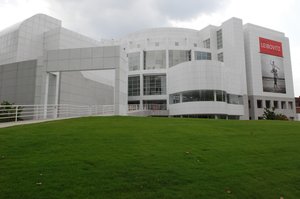 High Museum of Art |
Atlanta | 1 | The Last Gleam |
 Metropolitan Museum of Art |
New York | 1 | Scene at Napanoch |
 Centennial One Object Exhibit |
Unknown | 1 | Cattle and Landscape |
De gedateerde werken van William Hart in deze selectie beslaan slechts 6 jaar, van 1878 tot 1883: een korte carrière, hier jaar voor jaar weergegeven.
Selecteer een jaar om de originele werken te bekijken.


This painting hangs in the dining room of Thomas Edison

William Hart's "Scene at Napanoch," painted in 1883, isn’t merely a landscape; it’s a carefully constructed tableau of rural life imbued with a profound sense of quiet observation and the subtle melancholy inherent in capturing a fleeting moment. This Hudson River School masterpiece, housed within The Metropolitan Museum of Art in New York City, offers a glimpse into a bygone era – a time when America was still grappling with…
Hudson River Landscape (1854). Tivoli Falls (1851) en Rocky Coast at Sunset (1860) volgen.
Hudson River Landscape, Tivoli Falls, Rocky Coast at Sunset, On the Maine Coast, Study for View of the Valley of the White Mountains, New Hampashire, 1857''', Harvest Scene - Valley of the Delaware, Sunset in the Valley, The Last Gleam, The Land, Keene Valley en Deer in the Adirondacks. De bovenstaande ranglijst vermeldt het jaar en het museum van elk werk.
Onze catalogus bevat 23 werken van William Hart, daterend van 1878 tot 1883.
Voornamelijk in Albany Institute of History - Art (Albany), High Museum of Art (Atlanta) en Metropolitan Museum of Art (New York). De bovenstaande museumtabel bevat een volledig overzicht.
In 1878: 3 van de 22 werken op deze pagina werden toen gemaakt, waaronder The Land, Keene Valley.
Op deze pagina is het vroegste The Land, Keene Valley (1878) en het laatste Scene at Napanoch (1883).
Landscape (4), Sunset (3) en Usa (3), verspreid over de 22 werken op deze pagina.
Hudson river school, te oordelen aan de originelen op deze pagina.


