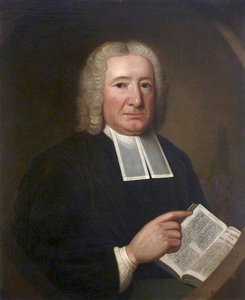
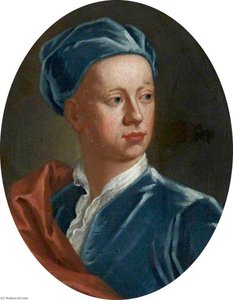
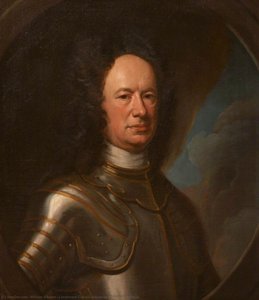
Portret van William Aikman

De 65 beroemdste schilderijen van William Aikman, elk uniek

Bijgewerkt in november 2026 · gerangschikt op basis van onze populariteitsscore (zoekopdrachten, bezoeken en bestellingen per kunstwerk) · 73 werken van William Aikman in onze catalogus

Kortom

John Campbell, Second Duke of Argyll and Duke of Greenwich (1680-1743) (1709) is het schilderij van William Aikman dat de meeste aandacht trekt; het origineel bevindt zich in het Royal Collection, Londen. Daarna gaat de blik naar Anne Dalrymple, Lady Steuart, d. 1736 (1710) en James Gibbs (1682-1754) holding a Plan of St Mary le Strand, London (1713). Van de 73 werken van William Aikman in onze catalogus zijn dit de 65 bekendste, elk een uniek origineel gepresenteerd met het jaar, het museum en de reden waarom het blijft voortbestaan.

1682 – 1731, Aberdeenshire Neoclassicism Meeste werken: Scottish National Portrait Gallery

Top 10 schilderijen van William Aikman, door de ogen van de galerie

1
John Campbell, Second Duke of Argyll and Duke of Greenwich (1680-1743) (1709) door William Aikman

John Campbell, Second Duke of Argyll and Duke of Greenwich (1680-1743)

1709 · Oil On Canvas · Royal Collection, Londen

The subject of this oil on canvas is John Campbell, Second Duke of Argyll and Duke of Greenwich. He is depicted in a vertical, three-quarter length pose, positioned slightly off-center against a background of heavy dark drapery and a distant, hazy landscape. The sitter wears a deep crimson coat accented by metallic silver and gold details, paired with a bright blue sash. His posture is upright, conveying a sense of…

2
Anne Dalrymple, Lady Steuart, d. 1736 (1710) door William Aikman

Anne Dalrymple, Lady Steuart, d. 1736

1710 · Oil On Canvas · Scottish National Portrait Gallery, Edinburgh

This three-quarter length portrait presents Anne Dalrymple, Lady Steuart, d. 1736, captured by the hand of William Aikman. Painted about 1710, the work fixes the subject in a moment of quietude. She exists within a space of soft light and deep shadow, her presence defined by the stillness of her posture. The artist, William Aikman, focuses on the steady gaze of the sitter, anchoring the composition with her steady, pale…

3
James Gibbs (1682-1754) holding a Plan of St Mary le Strand, London (1713) door William Aikman

James Gibbs (1682-1754) holding a Plan of St Mary le Strand, London

1713 · Oil On Canvas · Wimpole Hall

The air in the studio feels heavy and still as the light catches the fine, white powder of a meticulously styled wig. We find ourselves in the presence of an older man, his gaze fixed forward with a quiet, steady intensity that suggests a mind preoccupied with geometry and stone. He sits in a three-quarter pose, his dark brown coat absorbing the shadows of the room, while a crisp white…

4
Archibald Campbell, Earl of Ilay, later 3rd Duke of Argyll (1682-1761) (1715) door William Aikman

Archibald Campbell, Earl of Ilay, later 3rd Duke of Argyll (1682-1761)

1715 · Oil On Canvas · Royal Collection, Londen

Archibald Campbell, Earl of Ilay, later 3rd Duke of Argyll, occupies the space with a commanding stillness that demands immediate recognition. He stands in a vertical three-quarter length pose, his figure cutting a sharp silhouette against a dark, muted background of umber and black. A single light source from the upper left sweeps across the scene, catching the pale sheen of his wig and the luminous texture of his skin.…

5
Patie Birnie, the Fiddler of Kinghorn (1721) door William Aikman

Patie Birnie, the Fiddler of Kinghorn

1721 · Oil On Canvas · Scottish National Portrait Gallery, Edinburgh

The air feels heavy with the scent of aged wood and wool as Patie Birnie, the Fiddler of Kinghorn, meets our gaze. He sits in a three-quarter pose, his body angled slightly away while his eyes lock onto ours with a warmth that suggests a shared joke or a song just about to begin. A gentle smile creases his weathered face, softening the deep lines carved by years of laughter…

6
Sir Thomas Saunders Sebright, 4th Bt (1692-1736) or Mr Crawley (1730) door William Aikman

Sir Thomas Saunders Sebright, 4th Bt (1692-1736) or Mr Crawley

1730 · Oil On Canvas · Blickling Hall

A single figure occupies the center of this vertical landscape, a man caught in a moment of poised stillness. He wears a grey frock coat, its surface punctuated by the hard glint of silver buttons. Beneath the coat, a blue tunic reveals a pattern of brown damask braid, a subtle detail against the pale skin of his neck. A white cravat is knotted precisely, leading the eye upward to a…

7
An Unfinished Study of the Head of James Thomson (1725) door William Aikman

An Unfinished Study of the Head of James Thomson

1725 · Oil · Yale Center for British Art, New Haven

In this unfinished oil study, the young man James Thomson emerges from a haze of muted tones. William Aikman captures a fleeting moment of quietude, freezing the subject in a three-quarter view as he gazes toward the right. The portrait feels immediate, as if the artist has just stepped back to observe the play of light across a face that is still being brought into being. It is a glimpse…

8
Henry Kelsall (1692–1762) (1729) door William Aikman

Henry Kelsall (1692–1762)

1729 · Oil On Canvas · National Trust, Norwich

In this 1729 portrait, we encounter Henry Kelsall, a man whose presence commands the space he occupies. He is depicted in a full-length pose, standing with a quiet authority that suggests a life of significant social standing. The composition is traditional, placing him centrally against a backdrop that hints at a stately interior. A heavy red curtain drapes to one side, providing a deep, saturated contrast to the cool tones…

9
Sir Robert Walpole (1676–1745), 1st Earl of Orford, KG (1730) door William Aikman

Sir Robert Walpole (1676–1745), 1st Earl of Orford, KG

1730 · Oil On Canvas · National Trust, Norwich

This oil on canvas portrait, dating to 1730, depicts Sir Robert Walpole, 1st Earl of Orford, KG. The subject is presented in a three-quarter pose, facing slightly to the left, and occupies most of the frame. He is dressed in elaborate robes that signify wealth, power, and rank. The composition is centered, with the figure set against a dark and indistinct background that serves to highlight the subject. The lighting…

10
Dorothy Boyle (1699–1758), Countess of Burlington (1728) door William Aikman

Dorothy Boyle (1699–1758), Countess of Burlington

1728 · Oil On Canvas

In this 1728 oil on canvas, we encounter Dorothy Boyle, Countess of Burlington, presented in a formal, waist-up portrait. She gazes toward the viewer with a composure that suggests a life lived within the highest circles of British nobility. The composition is intimate, utilizing an oval frame to focus our attention entirely upon her figure against a muted, neutral brown background. There is a quietude in her expression, a seriousness…

De beroemde schilderijen van William Aikman, nummer 11 tot 65

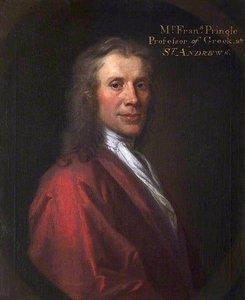
11Caroline of Brandenburg Ansbach (1683–1737), and Her Son Prince William Augustus (1721–1765), Duke of Cumberland (1730) door William AikmanCaroline of Brandenburg Ansbach (1683–1737), and Her Son Prince William Augustus (1721–1765), Duke of Cumberland1730 · National Trust 12James Hadow door William AikmanJames HadowUniversity of St Andrews 13George Alexander (1704) door William AikmanGeorge Alexander1704 14Robert Geddes, FRCSEd (1709) (1709) door William AikmanRobert Geddes, FRCSEd (1709)1709 · The Royal College of Surgeons of Edinburgh 15John Lauder (c.1680–1737), FRCSEd (1709) (1700) door William AikmanJohn Lauder (c.1680–1737), FRCSEd (1709)1700 · The Royal College of Surgeons of Edinburgh 16Robert Clerk (1664–1720), FRCSEd (1689) (1700) door William AikmanRobert Clerk (1664–1720), FRCSEd (1689)1700 · The Royal College of Surgeons of Edinburgh 17John Gay, Poet and Dramatist (1720) door William AikmanJohn Gay, Poet and Dramatist1720 18James Thomson, Poet (1720) door William AikmanJames Thomson, Poet1720 19John Campbell, 2nd Duke of Argyll and Greenwich, Soldier and Statesman (1720) door William AikmanJohn Campbell, 2nd Duke of Argyll and Greenwich, Soldier and Statesman1720 20James Thomson (1700–1748), Poet (1720) door William AikmanJames Thomson (1700–1748), Poet1720 · Scottish National Portrait Gallery 21Allan Ramsay (1684–1758), Poet (1722) door William AikmanAllan Ramsay (1684–1758), Poet1722 · Scottish National Portrait Gallery 22John Gay (1685–1732), Poet and Dramatist (1720) door William AikmanJohn Gay (1685–1732), Poet and Dramatist1720 · Scottish National Portrait Gallery 23John McGill (d.1735), FRCSEd (1710) (1711) door William AikmanJohn McGill (d.1735), FRCSEd (1710)1711 · The Royal College of Surgeons of Edinburgh 24Sir Patrick Hume (1641–1724), 1st Earl of Marchmont, Statesman (1720) door William AikmanSir Patrick Hume (1641–1724), 1st Earl of Marchmont, Statesman1720 · Nationaal Museum in Warschau 25William Aikman (1682–1731), Artist, Self Portrait (1711) door William AikmanWilliam Aikman (1682–1731), Artist, Self Portrait1711 · Scottish National Portrait Gallery 26John Campbell (1680–1743), 2nd Duke of Argyll and Greenwich, Soldier and Statesman (1720) door William AikmanJohn Campbell (1680–1743), 2nd Duke of Argyll and Greenwich, Soldier and Statesman1720 · Scottish National Portrait Gallery 27John Monro (1670–1740), FRCSEd (1703) (1715) door William AikmanJohn Monro (1670–1740), FRCSEd (1703)1715 · The Royal College of Surgeons of Edinburgh 28Lieutenant Colonel Alexander Campbell of Finab (1715) door William AikmanLieutenant Colonel Alexander Campbell of Finab1715 · The Black Watch Castle - Museum 29Field Marshal Sir Robert Rich (1685–1768), 4th Bt (1729) door William AikmanField Marshal Sir Robert Rich (1685–1768), 4th Bt1729 · National Trust 30Francis Pringle, Professor of Greek at St Andrews (1723) door William AikmanFrancis Pringle, Professor of Greek at St Andrews1723 · University of St Andrews 31Sir Thomas Saunders Sebright (1692–1736), 4th Bt (or 'Mr Crawley') (1730) door William AikmanSir Thomas Saunders Sebright (1692–1736), 4th Bt (or 'Mr Crawley')1730 · National Trust 32Colonel Harbord Harbord (1675 –1742) (Harbord Cropley) (1732) door William AikmanColonel Harbord Harbord (1675 –1742) (Harbord Cropley)1732 · National Trust 33Sir John Cope (1690–1760) (1730) door William AikmanSir John Cope (1690–1760)1730 · National Trust 34Edmund Prideaux (1693–1745) (detail) (1730) door William AikmanEdmund Prideaux (1693–1745) (detail)1730 · National Trust 35Sir William Harbord (1696 –1770), MP, KB (1729) door William AikmanSir William Harbord (1696 –1770), MP, KB1729 · National Trust 36Thomas Coke (1697–1759), 1st Earl of Leicester (1731) door William AikmanThomas Coke (1697–1759), 1st Earl of Leicester1731 · National Trust 37Sir William Leman (d.1741), 2nd Bt of Northaw, Hertfordshire (1729) door William AikmanSir William Leman (d.1741), 2nd Bt of Northaw, Hertfordshire1729 · National Trust 38William Kent (1725) door William AikmanWilliam Kent1725 · National Portrait Gallery 39Sir Charles Blois (1657–1738), 1st Bt, MP for Ipswich and Dunwich (1725) door William AikmanSir Charles Blois (1657–1738), 1st Bt, MP for Ipswich and Dunwich1725 40John Hay, 4th Marquess of Tweeddale, Lord Justice General for Scotland (1728) door William AikmanJohn Hay, 4th Marquess of Tweeddale, Lord Justice General for Scotland1728 41Sir Gilbert Elliot (1693–1766), 1st Lord Minto (1726) door William AikmanSir Gilbert Elliot (1693–1766), 1st Lord Minto1726 · Scottish National Portrait Gallery 42Sir Henry Harpur (1708–1748), 5th Bt (1728) door William AikmanSir Henry Harpur (1708–1748), 5th Bt1728 · National Trust 43Mary Savile (1700–1751), Countess of Thanet (1728) door William AikmanMary Savile (1700–1751), Countess of Thanet1728 44John St John (1702–1748), 2nd Viscount St John (1742) door William AikmanJohn St John (1702–1748), 2nd Viscount St John1742 · Lydiard House 45Adam Cockburn, Lord Ormiston, 1656 - 1735. Lord Justice-Clerk door William AikmanAdam Cockburn, Lord Ormiston, 1656 - 1735. Lord Justice-ClerkScottish National Portrait Gallery 46Sir James Steuart, 1st Baronet, of Goodtrees and Coltness, 1681 - 1727 door William AikmanSir James Steuart, 1st Baronet, of Goodtrees and Coltness, 1681 - 1727Scottish National Portrait Gallery 47John Dalrymple (1673–1747), 2nd Earl of Stair or John Campbell (1680–1743), Duke of Argyll and Greenwich door William AikmanJohn Dalrymple (1673–1747), 2nd Earl of Stair or John Campbell (1680–1743), Duke of Argyll and Greenwich 48Lady Anne Maxwell door William AikmanLady Anne Maxwell 49John Erskine, 14th of Dun, Son of Lord Dun, Aged 10 door William AikmanJohn Erskine, 14th of Dun, Son of Lord Dun, Aged 10 50Landscape with a River door William AikmanLandscape with a River 51Katherine Erskine, Daughter of Sir Charles Erskine of Alva, Wife of Patrick Campbell of Monzie door William AikmanKatherine Erskine, Daughter of Sir Charles Erskine of Alva, Wife of Patrick Campbell of Monzie 52Elizabeth Graham of Airth door William AikmanElizabeth Graham of AirthThe National Trust For Scotland 53John Erskine (1712–1787), 14th of Dun, Son of Lord Dun, Aged 10 door William AikmanJohn Erskine (1712–1787), 14th of Dun, Son of Lord Dun, Aged 10National Trust for Scotland 54Self Portrait door William AikmanSelf PortraitScottish National Gallery 55Elizabeth Ogilvy, Countess of Lauderdale door William AikmanElizabeth Ogilvy, Countess of Lauderdale 56John Lumsden of Blanearn door William AikmanJohn Lumsden of BlanearnThe National Trust For Scotland 57Charles Maitland (1688–1744), 6th Earl of Lauderdale door William AikmanCharles Maitland (1688–1744), 6th Earl of Lauderdale 58Rachel Graham, Wife of John Lumsden of Blanearn door William AikmanRachel Graham, Wife of John Lumsden of BlanearnThe National Trust For Scotland 59David Erskine (1672–1758), 13th of Dun, in the Robes of the Court of Session door William AikmanDavid Erskine (1672–1758), 13th of Dun, in the Robes of the Court of SessionNational Trust for Scotland 60Anne Erskine (1709–1735), Daughter of Lord Dun and Wife Successively of James, 9th Earl of Airlie and Sir Alexander Macdonald door William AikmanAnne Erskine (1709–1735), Daughter of Lord Dun and Wife Successively of James, 9th Earl of Airlie and Sir Alexander MacdonaldNational Trust for Scotland 61George Watson (1654–1723) door William AikmanGeorge Watson (1654–1723)The Merchant's Hall 62Walter Scott, 'Beardie' (1679–1729), Great Grandfather of Sir Walter Scott door William AikmanWalter Scott, 'Beardie' (1679–1729), Great Grandfather of Sir Walter ScottAbbotsford House 63Susanna Kennedy (1689–1780), Countess of Eglinton, Third Wife of the 9th Earl of Eglinton, Patroness of Letters door William AikmanSusanna Kennedy (1689–1780), Countess of Eglinton, Third Wife of the 9th Earl of Eglinton, Patroness of LettersScottish National Portrait Gallery 64Sir James Campbell of Lawers and Rowallan (1667–1745), Soldier door William AikmanSir James Campbell of Lawers and Rowallan (1667–1745), SoldierScottish National Portrait Gallery 65John Campbell, 2nd Duke of Argyll and Duke of Greenwich (1725) door William AikmanJohn Campbell, 2nd Duke of Argyll and Duke of Greenwich1725 · National Portrait Gallery

De beroemde schilderijen van William Aikman, periode voor periode

De onderwerpen die de aandacht van William Aikman troffen

De vier onderwerpen die het meest voorkomen in deze originelen, elk met zijn mooiste voorbeeld.

De musea waar de originele werken van William Aikman worden bewaard

De 8 musea met de meeste schilderijen op deze pagina.

Museum Stad Werken van William Aikman Schilderijen uit deze lijst
Scottish National Portrait Gallery, EdinburghScottish National Portrait Gallery Edinburgh 12 Anne Dalrymple, Lady Steuart, d. 1736, Patie Birnie, the Fiddler of Kinghorn, James Thomson (1700–1748), Poet
National Trust, NorwichNational Trust Norwich 10 Henry Kelsall (1692–1762), Sir Robert Walpole (1676–1745), 1st Earl of Orford, KG, Field Marshal Sir Robert Rich (1685–1768), 4th Bt
The Royal College of Surgeons of Edinburgh, EdinburghThe Royal College of Surgeons of Edinburgh Edinburgh 5 Robert Geddes, FRCSEd (1709), John Lauder (c.1680–1737), FRCSEd (1709), Robert Clerk (1664–1720), FRCSEd (1689)
The National Trust For Scotland, EdinburghThe National Trust For Scotland Edinburgh 3 Elizabeth Graham of Airth, John Lumsden of Blanearn, Rachel Graham, Wife of John Lumsden of Blanearn
National Trust for Scotland, MontroseNational Trust for Scotland Montrose 3 John Erskine (1712–1787), 14th of Dun, Son of Lord Dun, Aged 10, David Erskine (1672–1758), 13th of Dun, in the Robes of the Court of Session, Anne Erskine (1709–1735), Daughter of Lord Dun and Wife Successively of James, 9th Earl of Airlie and Sir Alexander Macdonald
Royal Collection, LondenRoyal Collection Londen 2 John Campbell, Second Duke of Argyll and Duke of Greenwich (1680-1743), Archibald Campbell, Earl of Ilay, later 3rd Duke of Argyll (1682-1761)
University of St Andrews, St AndrewsUniversity of St Andrews St Andrews 2 James Hadow, Francis Pringle, Professor of Greek at St Andrews
National Portrait Gallery, LondenNational Portrait Gallery Londen 2 William Kent, John Campbell, 2nd Duke of Argyll and Duke of Greenwich

William Aikman door de decennia heen: elk een uniek origineel

Werken per decennium

Kies een decennium om het origineel te zien dat dit tijdperk definieert.

Schilderijen van William Aikman: vragen voor de galerie

Wat is het bekendste werk van William Aikman?Onthul het antwoord

John Campbell, Second Duke of Argyll and Duke of Greenwich (1680-1743) (1709), Royal Collection, Londen. Anne Dalrymple, Lady Steuart, d. 1736 (1710) en James Gibbs (1682-1754) holding a Plan of St Mary le Strand, London (1713) volgen.

Op welke leeftijd creëerde William Aikman John Campbell, Second Duke of Argyll and Duke of Greenwich (1680-1743)?Onthul het antwoord

27 jaar oud: John Campbell, Second Duke of Argyll and Duke of Greenwich (1680-1743) dateert uit 1709, en William Aikman werd geboren in 1682.

Welke tien schilderijen van William Aikman zijn het meest bekend?Onthul het antwoord

John Campbell, Second Duke of Argyll and Duke of Greenwich (1680-1743), Anne Dalrymple, Lady Steuart, d. 1736, James Gibbs (1682-1754) holding a Plan of St Mary le Strand, London, Archibald Campbell, Earl of Ilay, later 3rd Duke of Argyll (1682-1761), Patie Birnie, the Fiddler of Kinghorn, Sir Thomas Saunders Sebright, 4th Bt (1692-1736) or Mr Crawley, An Unfinished Study of the Head of James Thomson, Henry Kelsall (1692–1762), Sir Robert Walpole (1676–1745), 1st Earl of Orford, KG en Dorothy Boyle (1699–1758), Countess of Burlington. De bovenstaande ranglijst vermeldt het jaar en het museum van elk werk.

Hoeveel werken van William Aikman zijn er bekend?Onthul het antwoord

Onze catalogus bevat 73 werken van William Aikman, daterend van 1700 tot 1731.

Waar kunnen de beroemdste originelen van William Aikman worden bekeken?Onthul het antwoord

Voornamelijk in Scottish National Portrait Gallery (Edinburgh), National Trust (Norwich) en The Royal College of Surgeons of Edinburgh (Edinburgh). De bovenstaande museumtabel bevat een volledig overzicht.

In welke periode creëerde William Aikman de bekendste schilderijen?Onthul het antwoord

In 1720s: 23 van de 65 werken op deze pagina werden toen gemaakt, waaronder Patie Birnie, the Fiddler of Kinghorn.

Welk beroemd schilderij van William Aikman is de vroegste, en welke de laatste?Onthul het antwoord

Op deze pagina is het vroegste John Lauder (c.1680–1737), FRCSEd (1709) (1700) en het laatste Thomas Coke (1697–1759), 1st Earl of Leicester (1731).

Welke onderwerpen had William Aikman de voorkeur?Onthul het antwoord

Man (46), Portrait (17) en Wig (12), verspreid over de 65 werken op deze pagina.

Met welke materialen schilderde William Aikman het meest?Onthul het antwoord

Oil On Canvas, voor 44 van de 65 werken op deze pagina.

Bij welke stroming behoort het werk van William Aikman?Onthul het antwoord

Neoclassicism, te oordelen aan de originelen op deze pagina.

Welke originele werken van William Aikman kan ik zien in het Scottish National Portrait Gallery?Onthul het antwoord

Anne Dalrymple, Lady Steuart, d. 1736, Patie Birnie, the Fiddler of Kinghorn en James Thomson (1700–1748), Poet: het Scottish National Portrait Gallery, Edinburgh herbergt 12 van de werken op deze pagina.

William Aikman: een portret van de kunstenaar

De Ziel van de Schotse Verlichting: Het Leven en de Kunst van William Aikman

In het levendige intellectuele landschap van het achttiende-eeuwse Schotland belichaamden weinig figuren de harmonieuze vereniging van visuele kunst en literaire diepgang zo gracieus als William Aikman. Geboren in 1682 in een familie die een toekomst voor hem voorzag binnen de rigoureuze hallen van de rechtsgeleerdheid, koos Aikman uiteindelijk voor een pad dat veel evocatiever en etherischer was. In plaats van de droge complexiteit van de wet te volgen, overgaf hij zich aan de penseel en werd hij een portrettist wiens werk de essentie van de Schotse Verlichting zou vangen. Zijn leven was niet louter een streven naar technische beheersing, maar een diepgaande betrokkenheid bij de humanistische idealen die het Europese bewustzijn begonnen te herformuleren.

De basis van Aikmans artistieke identiteit werd gelegd tijdens zijn vormende jaren aan de Universiteit van Edinburgh. Het was hier dat hij een blijvende en transformerende band smeedde met Allan Ramsay, de gevierde dichter van de Doriment-traditie. Deze vriendschap was veel meer dan een sociale connectie; het was een gedeelde intellectuele reis. Door Ramsay raakte Aikman diep verstrengeld in een poëtische ethiek die werd gekenmerkt door oprechtheid, emotionele resonantie en een delicaat waardering voor de natuur. Deze literaire gevoeligheid zou zich later manifesteren in zijn schilderijen, waarbij hij zijn onderwerpen een zekere psychologische diepgang en stille waardigheid verleende die de loutere registratie van een fysieke gelijkenis overstijgt.

Een Reis door Klassieke Grandeur

Om zijn ontluikende talent te verfijnen, zocht Aikman de rigoureuze training die in Londen beschikbaar was, waar hij in aanraking kwam met de groeiende invloeden van het Italiaans neoclassicisme. Zijn ware artistieke metamorfose vond echter plaats tijdens zijn uitgebreide reizen door Italië. Ondergedompeld in de wieg van de Renaissance bestudeerde Aikman de meesters met uiterste precisie, waarbij hij diepe inspiratie putte uit de gebalanceerde composities en geïdealiseerde vormen van Raphael en Michelangelo. Deze periode van pelgrimstocht stelde hem in staat de principes van de oudheid te absorberen, waardoor hij een gevoel van structurele permanentie en klassieke gratie in zijn portretkunst integreerde.

Bij zijn terugkeer naar Schotland kwam Aikmans stijl naar voren als een verfijnde versmelting van Noordelijke gevoeligheid en Zuidelijke grandeur. Zijn werk werd gekenmerkt door een serene elegantie, waarbij hij de overdreven dramatische franjes van de Barok vermeed ten gunste van een meer beheerste en doordachte presentatie. Hij bezat het opmerkelijke vermogen om texturen weer te geven—de subtiele glans van zijde, het gewicht van fluweel en de zachtheid van de huid—met een precisie die zowel levensecht als verheven door een artistiek ideaal aanvoelde. Zijn portretten waren niet louter spiegels van de werkelijkheid, maar waren doordrenkt van een gevoel van karakter en intellectuele aanwezigheid.

Mecenaat, Nalatenschap en Historisch Belang

Naast zijn individuele technische prestaties speelde Aikman een cruciale rol in het culturele ecosysteem van zijn tijd. Hij vormde een essentiële brug tussen de werelden van de schone kunsten en de literatuur, en trad op als een vroege beschermheer voor figuren als James Thomson. Door zijn sociale connecties te benutten om patronage te verwerven van invloedrijke figuren zoals Robert Walpole, hielp Aikman een omgeving te creëren waarin Schotse intellectuelen konden floreren op een breder Europees toneel. Zijn vermogen om zich door de machtscorridors te bewegen terwijl hij zijn artistieke integriteit behield, maakte hem tot een centrale figuur in de opkomende culturele renaissance van Edinburgh.

De nalatenschap van William Aikman leeft voort in de stille kracht van zijn portretten, die blijven dienen als vensters naar de geest van een tijdperk dat werd gedefinieerd door rede en verfijning. Zijn bijdragen kunnen worden samengevat aan de hand van enkele kernzuilen van zijn carrière:

  • De Synthese van Kunsten: Hij slaagde erin de visuele taal van het Italiaans neoclassicisme te versmelten met de emotionele oprechtheid van de Schotse poëzie.
  • Cultureel Rentmeesterschap: Door zijn patronage en connecties hielp hij de status van Schotse intellectuelen binnen de Britse eilanden te verhogen.
  • Technische Meesterschap: Zijn toewijding aan het bestuderen van de oude meesters stelde hem in staat een niveau van klassieke verfijning aan de Schotse portretkunst toe te voegen dat voorheen ongezien was.
  • Blijvende Invloed: Zijn werk blijft een essentieel ijkpunt voor het begrijpen van de esthetische en intellectuele stromingen van de achttiende-eeuwse Verlichting.

Hoewel zijn leven relatief kort was en eindigde in 1731, blijft de impact van William Aikman gegrift in de geschiedenis van de Britse kunst. Hij staat als een testament voor de kracht van het volgen van je ware roeping, en bewijst dat wanneer de penseel wordt geleid door het intellect en het hart, het niet alleen een gezicht kan vangen, maar de ziel van een heel tijdperk.