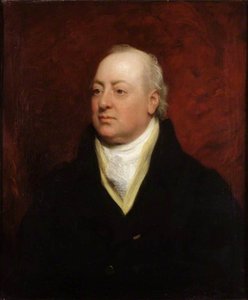
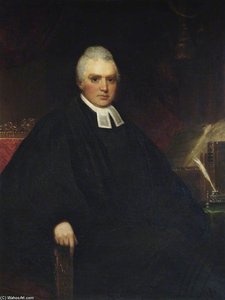
Portret van Thomas Phillips

De 100 bekendste schilderijen van Thomas Phillips, een selectie uit de galerie

Bijgewerkt in oktober 2026 · gerangschikt op basis van onze populariteitsscore (zoekopdrachten, bezoeken en bestellingen per kunstwerk) · 288 werken van Thomas Phillips in onze catalogus

Kortom

Van alle originele werken die Thomas Phillips heeft nagelaten, is Napoleon bonaparte first consul, (1802) het bekendst, in de collectie van het Musée Bonnat, Bayonne. Direct daarna volgen Portrait of Charles Frederick Schlaberg, London, 1827 (1827) en William Buckland (1812). Onze catalogus bevat 288 werken van Thomas Phillips; de galerie heeft de 100 meest bewonderde werken ter wereld bewaard, elk voorzien van de datum, het museum en het verhaal erachter.

1770 – 1845, Dudley Neoclassicism Meeste werken: National Portrait Gallery

De top 10 schilderijen van Thomas Phillips: de selectie van de galerie

1
Napoleon bonaparte first consul, (1802) door Thomas Phillips

Napoleon bonaparte first consul,

1802 · Acrylic · Musée Bonnat, Bayonne

The painting "Napoleon Bonaparte First Consul" by Thomas Phillips is a remarkable piece of art that captures the essence of Napoleon Bonaparte, one of history's most influential figures. Created in 1802 during the Peace of Amiens, this unfinished portrait offers a unique and realistic depiction of Napoleon at the age of 33. The Historical Context Commissioned by Lord Erskine, who had connections to Josephine through Malmaison, this painting was a…

2
Portrait of Charles Frederick Schlaberg, London, 1827 (1827) door Thomas Phillips

Portrait of Charles Frederick Schlaberg, London, 1827

1827 · Oil On Canvas · Yale Center for British Art, New Haven

This formal portrait, titled Portrait of Charles Frederick Schlaberg, London, 1827, presents a quiet study of the subject, Charles Frederick Schlaberg. Painted in 1827, the work captures the man in a moment of composed dignity. It is an oil on canvas that reflects the specific social standing and character of the sitter through a direct and steady engagement with the viewer.

3
William Buckland (1812) door Thomas Phillips

William Buckland

1812 · Oil · National Portrait Gallery, Londen

This bust-length oil portrait depicts William Buckland, a middle-aged man positioned slightly off-center. He faces toward the left of the frame, though his gaze is directed toward the viewer. The subject possesses a calm and intelligent expression. He wears a dark garment and a bright white cravat. A single light source illuminates one side of his face and his neckwear, casting the other side of his features and the background…

4
David Ricardo (1821) door Thomas Phillips

David Ricardo

1821 · Oil · National Portrait Gallery, Londen

This oil painting by Thomas Phillips depicts the British economist David Ricardo. Created in 1821, the work presents the subject in a three-quarter length portrait. Ricardo is shown in a seated position within an armchair. He is positioned facing toward the viewer's right, though his gaze is directed toward the observer. The subject's right arm rests upon the arm of the chair, while his left hand holds a piece of…

5
John Lothrop Motley (1835) door Thomas Phillips

John Lothrop Motley

1835 · Oil On Canvas · National Portrait Gallery, Washington, D.C.

A single light source strikes the face of a young man, carving his features out of a heavy, umber darkness. This is the portrait of John Lothrop Motley, rendered in oil on canvas around 1835. The light catches the pale smoothness of his forehead and the clarity of his eyes, leaving the rest of his form to dissolve into deep sienna and black. He wears dark, textured clothing, perhaps heavy…

6
George James Agar-ellis, 1st Baron Dover, door Thomas Phillips

George James Agar-ellis, 1st Baron Dover,

Oil On Canvas

The portrait of George James Agar-ellis, 1st Baron Dover, presents a three-quarter view of a man positioned against a uniform, dark background. The subject is rendered from the shoulders up, looking slightly toward the right of the frame. His facial features are defined by a series of fine, meticulous lines that create texture across the skin, the hair, and the fabric of his clothing. The hair appears voluminous and curly,…

7
Edward Thurlow, Baron Thurlow (1806) door Thomas Phillips

Edward Thurlow, Baron Thurlow

1806 · Oil · National Portrait Gallery, Londen

This oil portrait, titled Edward Thurlow, Baron Thurlow, captures the likeness of a man defined by the weight of law and the gravity of statecraft. Painted by Thomas Phillips in 1806, the work presents the subject in a moment of quietude. The sitter, a prominent British lawyer and Tory politician, is rendered with a precision that suggests the stillness of a courtroom after the gavel has fallen.

8
John Singleton Copley, Baron Lyndhurst (1836) door Thomas Phillips

John Singleton Copley, Baron Lyndhurst

1836 · Oil On Canvas · National Portrait Gallery, Londen

This portrait of John Singleton Copley, Baron Lyndhurst, was executed by Thomas Phillips in 1836. It presents the subject in a moment of formal repose, capturing the gravity of his station through the specific details of his office. Phillips, a prominent figure in the British art scene of the early nineteenth century, brings a meticulous attention to the sitter's presence, ensuring the likeness carries the weight of his social and…

9
Portrait Of An Unknown Man door Thomas Phillips

Portrait Of An Unknown Man

Oil On Canvas

There is a profound stillness in this portrait, a moment of introspection captured through the steady gaze of a young man. He appears to be in his late teens or early twenties, his expression thoughtful and perhaps a little guarded. The subject is dressed with the dignity of a well-dressed gentleman, wearing a dark suit and a lighter-colored tie that draws the eye toward the subtle nuances of his facial…

10
George Granville Leveson-Gower, 1st Duke of Sutherland (1805) door Thomas Phillips

George Granville Leveson-Gower, 1st Duke of Sutherland

1805 · Oil On Canvas · National Portrait Gallery, Londen

The gaze of George Granville Leveson-Gower, 1st Duke of Sutherland, meets the viewer through this formal oil portrait. Painted by Thomas Phillips in 1805, the work captures the Duke in a moment of quiet dignity. He appears dressed in regal attire, a choice that immediately signals his high standing and the weight of his title. The portrait presents a man of significant stature, frozen in a steady, solemn expression that…

De selectie van Thomas Phillips gaat verder, van 11 tot 100

11Portrait Of William Phipson ( 1770-1845 ) (1831) door Thomas PhillipsPortrait Of William Phipson ( 1770-1845 )1831 · Birmingham Museum and Art Gallery 12John Hely-Hutchinson, first Baron Hutchinson and second Earl of Donoughmore (1757-1832) (1811) door Thomas PhillipsJohn Hely-Hutchinson, first Baron Hutchinson and second Earl of Donoughmore (1757-1832)1811 · Royal Collection 13After Raphael door Thomas PhillipsAfter Raphael 14Other Archer Windsor, 6th Earl of Plymouth (1789-1833) (1816) door Thomas PhillipsOther Archer Windsor, 6th Earl of Plymouth (1789-1833)1816 · Knole House 15Mary Fairfax, Mrs William Somerville, Writer on Science (1834) door Thomas PhillipsMary Fairfax, Mrs William Somerville, Writer on Science1834 16John Kentish (1840) door Thomas PhillipsJohn Kentish1840 · National Portrait Gallery 17Joseph Banks (1809) door Thomas PhillipsJoseph Banks1809 · De Royal Society 18Sir Francis Burdett, 5th Bt (1834) door Thomas PhillipsSir Francis Burdett, 5th Bt1834 · National Portrait Gallery 19Everard Home (1829) door Thomas PhillipsEverard Home1829 · De Royal Society 20Joshua Brookes door Thomas PhillipsJoshua BrookesNational Portrait Gallery 21Frances Margaret Taylor, Mrs William Crane Blathwayt door Thomas PhillipsFrances Margaret Taylor, Mrs William Crane Blathwayt 22Hugh Percy, 3rd Duke of Northumberland (1817) door Thomas PhillipsHugh Percy, 3rd Duke of Northumberland1817 · University of Cambridge Museums 23Admiral Lord James De Saumarez, Gcb, Ks, 1st Baron De Saumarez door Thomas PhillipsAdmiral Lord James De Saumarez, Gcb, Ks, 1st Baron De Saumarez 24Lady Caroline Lamb door Thomas PhillipsLady Caroline Lamb 25Harriet Bruhl, Lady Polwarth (1802) door Thomas PhillipsHarriet Bruhl, Lady Polwarth1802 26Lady Elizabeth Alicia Maria Wyndham, Countess of Carnarvon (1752-1826) (after Sir Joshua Reynolds) (1808) door Thomas PhillipsLady Elizabeth Alicia Maria Wyndham, Countess of Carnarvon (1752-1826) (after Sir Joshua Reynolds)1808 · Petworth House 27Elizabeth Mary Anne Massingberd (1805) door Thomas PhillipsElizabeth Mary Anne Massingberd1805 28Mr Barratt (1810) door Thomas PhillipsMr Barratt1810 29James Abercromby, 1st Baron Dunfermline (1821) door Thomas PhillipsJames Abercromby, 1st Baron Dunfermline1821 · Dunfermline City Chambers 30John Lloyd Williams (1826) door Thomas PhillipsJohn Lloyd Williams1826 · Llyfrgell Genedlaethol Cymru 31George Anthony Legh Keck (1830) door Thomas PhillipsGeorge Anthony Legh Keck1830 · New Walk Museum - Art Gallery 32The Honourable John Wodehouse, Lord Lieutenant of Norfolk (1832) door Thomas PhillipsThe Honourable John Wodehouse, Lord Lieutenant of Norfolk1832 33Henry Windham, 2nd Earl of Dunraven (1839) door Thomas PhillipsHenry Windham, 2nd Earl of Dunraven1839 · Llyfrgell Genedlaethol Cymru 34John Dalton (1835) door Thomas PhillipsJohn Dalton1835 · National Portrait Gallery 35Dr John Richard Farre door Thomas PhillipsDr John Richard FarreMoorfields Eye Hospital NHS Foundation Trust 36Portrait of Ary Scheffer at (approximately) 50 years of age door Thomas PhillipsPortrait of Ary Scheffer at (approximately) 50 years of ageDordrechts Museum 37Dudley Ryder, Engraved By Henry Robinson door Thomas PhillipsDudley Ryder, Engraved By Henry Robinson 38Prince Augustus Frederick, Engraved By Henry door Thomas PhillipsPrince Augustus Frederick, Engraved By Henry 39Portrait of David Ricardo door Thomas PhillipsPortrait of David Ricardo 40The Scott Family door Thomas PhillipsThe Scott FamilyBirmingham Museum and Art Gallery 41Sir Nicholas Conyngham Tindal door Thomas PhillipsSir Nicholas Conyngham TindalNational Portrait Gallery 42Arthur Wellesley, 1st Duke Of Wellington door Thomas PhillipsArthur Wellesley, 1st Duke Of Wellington 43Sir Joseph Banks, C.1830s door Thomas PhillipsSir Joseph Banks, C.1830s 44Sir Alexander Johnston door Thomas PhillipsSir Alexander Johnston 45Reverend Doctor Heathcote door Thomas PhillipsReverend Doctor Heathcote 46Elizabeth Howard door Thomas PhillipsElizabeth HowardYale Center for British Art 47The Duke Of York door Thomas PhillipsThe Duke Of York 48Peter Goddard door Thomas PhillipsPeter Goddard 49Frognal Dibdin door Thomas PhillipsFrognal Dibdin 50Campbell door Thomas PhillipsCampbell 51William Wallace Currie door Thomas PhillipsWilliam Wallace Currie 52Revd James Douglas door Thomas PhillipsRevd James Douglas 53Arnold door Thomas PhillipsArnoldNational Portrait Gallery 54Sir Robert George Throckmorton door Thomas PhillipsSir Robert George ThrockmortonCoughton Court 55Sir John Franklin - door Thomas PhillipsSir John Franklin - 56Edward Copleston, Bishop Of Llandaff door Thomas PhillipsEdward Copleston, Bishop Of Llandaff 57Davies Gilbert door Thomas PhillipsDavies Gilbert 58Samuel Rogers door Thomas PhillipsSamuel RogersNational Portrait Gallery 59Samuel Taylor Coleridge door Thomas PhillipsSamuel Taylor Coleridge 60Portrait of William Blake, engraved by William Bell. door Thomas PhillipsPortrait of William Blake, engraved by William Bell. 61Dudley Ryder, 1st Earl of Harrowby door Thomas PhillipsDudley Ryder, 1st Earl of Harrowby 62Robert Southey door Thomas PhillipsRobert Southey 63The Most Honourable Charles Watton-wentworth door Thomas PhillipsThe Most Honourable Charles Watton-wentworth 64Florance young, esq. door Thomas PhillipsFlorance young, esq. 65Arnold, Stp door Thomas PhillipsArnold, Stp 66Gardiner Bramston door Thomas PhillipsGardiner Bramston 67Philip Yorke, 3rd Earl Of Harwicke, Kg door Thomas PhillipsPhilip Yorke, 3rd Earl Of Harwicke, Kg 68Reginald Carr door Thomas PhillipsReginald Carr 69Michael Faraday - door Thomas PhillipsMichael Faraday - 70Henry Hallam door Thomas PhillipsHenry Hallam 71Reverend Dr Samuel Wilson Warneford door Thomas PhillipsReverend Dr Samuel Wilson Warneford 72Joseph Jennens door Thomas PhillipsJoseph JennensBirmingham Museum and Art Gallery 73Alan Bullock, Master door Thomas PhillipsAlan Bullock, Master 74Philip Yorke door Thomas PhillipsPhilip YorkeWimpole Hall 75Sir John Franklin door Thomas PhillipsSir John Franklin 76Sir Matthew Wood, Lord Mayor Of London door Thomas PhillipsSir Matthew Wood, Lord Mayor Of London 77The Artist's Son, Henry Wyndham Phillips door Thomas PhillipsThe Artist's Son, Henry Wyndham PhillipsHatchlands Park 78Elizabeth Denne, Mrs William Vallance door Thomas PhillipsElizabeth Denne, Mrs William Vallance 79Sir John E. Swinburne door Thomas PhillipsSir John E. Swinburne 80Dr Robert G. W. Anderson, Director Of The British Museum door Thomas PhillipsDr Robert G. W. Anderson, Director Of The British Museum 816th Lord Byron door Thomas Phillips6th Lord Byron 82Sir Harrison Birtwistle door Thomas PhillipsSir Harrison Birtwistle 83The Archangel Michael Leaving Adam And Eve, After Having Conducted Them Out Of Paradise door Thomas PhillipsThe Archangel Michael Leaving Adam And Eve, After Having Conducted Them Out Of ParadisePetworth House 84Sir John Edward Sulston door Thomas PhillipsSir John Edward Sulston 85Hrh The Prince Regent, Later George Iv, And Colonel Charles Wyndham door Thomas PhillipsHrh The Prince Regent, Later George Iv, And Colonel Charles WyndhamPetworth House 86James Hope (1841) door Thomas PhillipsJames Hope1841 · Royal College of Physicians of London 87Henry Peter Brougham, Baron Brougham and Vaux door Thomas PhillipsHenry Peter Brougham, Baron Brougham and VauxParliamentary Art Collection 88Here We Exemplify door Thomas PhillipsHere We Exemplify 89Portrait Of George, Lord Byron door Thomas PhillipsPortrait Of George, Lord Byron 90The 7th Lord Northesk door Thomas PhillipsThe 7th Lord Northesk 91Benches door Thomas PhillipsBenches 92Brian Eno - door Thomas PhillipsBrian Eno - 93Michael Faraday door Thomas PhillipsMichael FaradayNationalmuseum 94Lord Jenkins Of Hillhead, Om, Commoner door Thomas PhillipsLord Jenkins Of Hillhead, Om, Commoner 95Elizabeth Leveson Gower door Thomas PhillipsElizabeth Leveson Gower 96Robert Stevens door Thomas PhillipsRobert Stevens 97Iris Murdoch - door Thomas PhillipsIris Murdoch - 98William phipson door Thomas PhillipsWilliam phipson 99William Blake - door Thomas PhillipsWilliam Blake - 100Sir Joseph Banks - door Thomas PhillipsSir Joseph Banks -

De beroemde schilderijen van Thomas Phillips, periode voor periode

De onderwerpen die de aandacht van Thomas Phillips troffen

De vier onderwerpen die het meest voorkomen in deze originelen, elk met zijn mooiste voorbeeld.

De musea waar de originele werken van Thomas Phillips worden bewaard

De 8 musea met de meeste schilderijen op deze pagina.

Museum Stad Werken van Thomas Phillips Schilderijen uit deze lijst
National Portrait Gallery, LondenNational Portrait Gallery Londen 21 William Buckland, David Ricardo, Edward Thurlow, Baron Thurlow
Petworth House, PetworthPetworth House Petworth 18 Lady Elizabeth Alicia Maria Wyndham, Countess of Carnarvon (1752-1826) (after Sir Joshua Reynolds), The Archangel Michael Leaving Adam And Eve, After Having Conducted Them Out Of Paradise, Hrh The Prince Regent, Later George Iv, And Colonel Charles Wyndham
Birmingham Museum and Art Gallery, BirminghamBirmingham Museum and Art Gallery Birmingham 4 Portrait Of William Phipson ( 1770-1845 ), The Scott Family, Joseph Jennens
Yale Center for British Art, New HavenYale Center for British Art New Haven 3 Portrait of Charles Frederick Schlaberg, London, 1827, Elizabeth Howard
De Royal Society, LondenDe Royal Society Londen 2 Joseph Banks, Everard Home
Llyfrgell Genedlaethol Cymru, AberystwythLlyfrgell Genedlaethol Cymru Aberystwyth 2 John Lloyd Williams, Henry Windham, 2nd Earl of Dunraven
Musée Bonnat, BayonneMusée Bonnat Bayonne 1 Napoleon bonaparte first consul,
National Portrait Gallery, Washington, D.C.National Portrait Gallery Washington, D.C. 1 John Lothrop Motley

Thomas Phillips decennium voor decennium: het origineel dat elk tijdperk definieert

Werken per decennium

Kies een decennium om het origineel te zien dat dit tijdperk definieert.

Vragen van verzamelaars over de schilderijen van Thomas Phillips

Waar is Thomas Phillips het meest bekend om?Onthul het antwoord

Napoleon bonaparte first consul, (1802), Musée Bonnat, Bayonne. Portrait of Charles Frederick Schlaberg, London, 1827 (1827) en William Buckland (1812) volgen.

Hoe oud was Thomas Phillips toen Napoleon bonaparte first consul, werd gemaakt?Onthul het antwoord

32 jaar oud: Napoleon bonaparte first consul, dateert uit 1802, en Thomas Phillips werd geboren in 1770.

Wat zijn de tien beroemdste schilderijen van Thomas Phillips?Onthul het antwoord

Napoleon bonaparte first consul,, Portrait of Charles Frederick Schlaberg, London, 1827, William Buckland, David Ricardo, John Lothrop Motley, George James Agar-ellis, 1st Baron Dover,, Edward Thurlow, Baron Thurlow, John Singleton Copley, Baron Lyndhurst, Portrait Of An Unknown Man en George Granville Leveson-Gower, 1st Duke of Sutherland. De bovenstaande ranglijst vermeldt het jaar en het museum van elk werk.

Hoeveel schilderijen heeft Thomas Phillips nagelaten?Onthul het antwoord

Onze catalogus bevat 288 werken van Thomas Phillips, daterend van 1802 tot 1841.

In welke musea hangen de meesterwerken van Thomas Phillips?Onthul het antwoord

Voornamelijk in National Portrait Gallery (Londen), Petworth House (Petworth) en Birmingham Museum and Art Gallery (Birmingham). De bovenstaande museumtabel bevat een volledig overzicht.

In welke jaren schilderde Thomas Phillips de beroemdste werken?Onthul het antwoord

In 1830s: 9 van de 100 werken op deze pagina werden toen gemaakt, waaronder John Lothrop Motley.

Wat zijn de eerste en de laatste beroemde originelen van Thomas Phillips?Onthul het antwoord

Op deze pagina is het vroegste Napoleon bonaparte first consul, (1802) en het laatste James Hope (1841).

Welke onderwerpen koos Thomas Phillips het vaakst?Onthul het antwoord

Portrait (30), Portraiture (14) en Formal (14), verspreid over de 100 werken op deze pagina.

Welke techniek gebruikte Thomas Phillips het meest?Onthul het antwoord

Oil On Canvas, voor 12 van de 100 werken op deze pagina.

Bij welke kunststroming behoort Thomas Phillips?Onthul het antwoord

Neoclassicism, te oordelen aan de originelen op deze pagina.

Welke werken van Thomas Phillips hangen in het National Portrait Gallery?Onthul het antwoord

William Buckland, David Ricardo en Edward Thurlow, Baron Thurlow: het National Portrait Gallery, Londen herbergt 12 van de werken op deze pagina.

Thomas Phillips: leven en werk

Early Life and Artistic Foundations

Thomas Phillips, geboren in Dudley, Worcestershire, in 1770, kwam uit een bescheiden achtergrond die toch voldoende middelen bood voor een goede opleiding. Zijn vroege leven was echter allesbehalve een pad naar de kunstacademies. In plaats daarvan begon hij zijn artistieke ontwikkeling in het vak van glaskunst, onder Francis Eginton in Birmingham. Deze ervaring, het werken met kleur en licht op glasoppervlakken, legde een stevige basis voor zijn latere werk als portretschilder. Het was een discipline die precisie vereiste, aandacht voor detail en een scherp oog voor compositie – kwaliteiten die hij later zou toepassen op zijn beroemdste werken. Een cruciaal moment in zijn leven kwam in 1790, toen Phillips naar Londen reisde, met een aanbevelingsbrief van Benjamin West, een toonaangevende kunstenaar van het tijd en een belangrijke figuur binnen de Royal Academy. West’s introductie opentelde hem deuren naar de wereld van de professionele kunstenaars en gaf hem toegang tot de prestigieuze omgeving van de Academie. Hij kreeg er werk als glaskunstenaar in de vensters van St George's Chapel in Windsor Castle, een project dat hem niet alleen ervaring opdroogde, maar ook zijn oog voor grootse architectuur en narratieve verhalen in kunst scherp hield.

A Rising Portraitist: Style and Subject Matter

Phillips’ talent bleek snel te liggen in het portretteren van mensen. Hoewel hij aanvankelijk werkte met onbekende individuen, wist hij door toewijding en vaardigheid stapsgewijs een hogere sociale status te bereiken. Zijn stijl kenmerkte zich door een uiterst gedetailleerd realisme, een combinatie van de glaskunsttechnieken die hij had geleerd en de artistieke trends van de tijd. Hij had een bijzondere gave om niet alleen het fysieke uiterlijk vast te leggen, maar ook de persoonlijkheid en intelligentie van zijn onderwerpen weer te geven. Dit vermogen maakte hem tot een gevraagde schilder, vooral in de periode rond 1800, toen de Royal Academy nog steeds op zoek was naar talentvolle portretschilders om de groeiende elite van Engeland vast te leggen. Hij werd een bekende naam in de kunstwereld, en zijn werken werden regelmatig tentoongesteld bij prestigieuze tentoonstellingen. Zijn portfolio bestond uit zowel landschappen als historische scenes, maar het was vooral zijn portretten die hem roem brachten.

Royal Patronage and Academic Recognition

In 1804 bereikte Phillips een belangrijke mijlpaal in zijn carrière: hij werd benoemd tot associate van de Royal Academy, naast William Owen. Deze erkenning bevestigde zijn positie binnen de kunstwereld en opende nieuwe mogelijkheden. Kort daarna verhuisde hij naar 8 George Street, Hanover Square, een exclusief adres dat zijn thuis- en atelier zou worden gedurende de volgende vier decennia. Zijn clientèle groeide aanzienlijk, met leden van het koninklijke huis en de aristocratie als onderwerpen. Hij schilderde portretten van de Prins van Wales (later Koning George IV), de Marqueses van Stafford, Lord Thurlow en vele andere prominente figuren. Een bijzonder bekend werk uit deze periode is zijn portret van William Blake, een van de meest invloedrijke dichters en kunstenaars van de Romantische Beweging. Het schilderij, nu te zien in het National Portrait Gallery, toont de intense blik en de visionaire geest van de poëtische meester. In 1808 werd Phillips benoemd tot lid van de Royal Academy, een prestigieuze positie die hem toegang gaf tot de hoogste kringen van de kunstwereld.

Later Years: Professorship and Legacy

Phillips’ bijdrage aan de kunstwereld strekte zich verder uit dan zijn eigen schilderijen. In 1825 werd hij aangesteld als professor van Schilderkunst aan de Royal Academy, een positie die hij bekleedde tot 1832. Deze rol gaf hem de mogelijkheid om zijn kennis en ervaring door te geven aan nieuwe generaties kunstenaars. Hij publiceerde in 1833 *Lectures on the History and Principles of Painting*, waarin hij zijn artistieke filosofie en pedagogische benadering uitlegde. Ondanks een iets minderijdige reputatie in de latere jaren, bleef Phillips een gerespecteerd figuur binnen de kunstwereld. Zijn nalatenschap is niet alleen te zien in de vele portretten die hij schiep – waarmee hij de gezichten van talloze prominente figuren van zijn tijd vastlegde – maar ook in zijn toewijding aan artistieke onderwijs en zijn bijdrage aan de ontwikkeling van de Engelse portretschilderkunst. Zijn aandacht voor detail, gecombineerd met een gevoeligheid voor karakter, plaatst hem als een belangrijke figuur in de 19e-eeuwse Britse kunst.