Portret van Samuel Laurence

Schilderijen van Samuel Laurence: De 20 bekendste, door de ogen van een galerie

Bijgewerkt in november 2026 · gerangschikt op basis van onze populariteitsscore (zoekopdrachten, bezoeken en bestellingen per kunstwerk) · 20 werken van Samuel Laurence in onze catalogus

Kortom

Volgens de visie van de galerie is het beroemdste schilderij van Samuel Laurence Self portrait (1836), waarvan het origineel in het The Ashmolean Museum of Art and Archaeology in Oxford hangt. Sir Henry Taylor (1800–1886) (1835) en Joshua Stranger of Keswick (1834) maken het trio compleet dat elk oog herkent. Van de 20 werken van Samuel Laurence in onze catalogus presenteert de galerie hieronder de 20 bekendste werken, elk een origineel met de jaartal, het museum en wat het uniek maakt.

1812 – 1884, Guildford Meeste werken: National Portrait Gallery

De top 10 schilderijen van Samuel Laurence in de galerie

1
Self portrait (1836) door Samuel Laurence

Self portrait

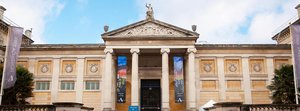
1836 · Oil On Canvas · The Ashmolean Museum of Art and Archaeology, Oxford

This oil on canvas work is titled Self portrait and was executed by the artist Samuel Laurence. The painting was created in 1836. It depicts the artist himself, presenting a likeness of the man who would become a prominent figure in Victorian portraiture. The work is currently held in the collection of The Ashmolean Museum of Art and Archaeology in Oxford, United Kingdom.

2
Sir Henry Taylor (1800–1886) (1835) door Samuel Laurence

Sir Henry Taylor (1800–1886)

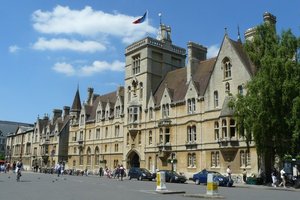
1835 · Oil · Balliol College, Oxford

In the quiet, hallowed halls of Balliol College, there exists a portrait that does far more than merely record a face; it captures the very soul of an era. Samuel Laurence’s 1835 masterpiece, Sir Henry Taylor, serves as a profound meditation on character and social responsibility. To gaze upon this work is to step back into the mid-19th century, encountering a man whose intellectual weight is palpable through the artist's…

Schilderijen van Samuel Laurence, gerangschikt van 11 tot 20

De onderwerpen die de aandacht van Samuel Laurence troffen

De vier onderwerpen die het meest voorkomen in deze originelen, elk met zijn mooiste voorbeeld.

De musea waar de originele werken van Samuel Laurence worden bewaard

De 6 musea met de meeste schilderijen op deze pagina.

Museum Stad Werken van Samuel Laurence Schilderijen uit deze lijst
National Portrait Gallery, LondenNational Portrait Gallery Londen 9 James Henry Leigh Hunt, Sir (Jonathan) Frederick Pollock, 1st Bt, Sir Thomas Bourchier
The Ashmolean Museum of Art and Archaeology, OxfordThe Ashmolean Museum of Art and Archaeology Oxford 1 Self portrait
Balliol College, OxfordBalliol College Oxford 1 Sir Henry Taylor (1800–1886)
National Maritime Museum, LondenNational Maritime Museum Londen 1 George Green (1767–1849)
Guildford House Gallery, GuildfordGuildford House Gallery Guildford 1 The Fletcher Children
Girton College, CambridgeGirton College Cambridge 1 Barbara Leigh Smith Bodichon

Samuel Laurence, één iconisch schilderij per decennium

Werken per decennium

Kies een decennium om het origineel te zien dat dit tijdperk definieert.

Schilderijen van Samuel Laurence: de galerie geeft antwoord

Welk schilderij van Samuel Laurence is het beroemdste van allemaal?Onthul het antwoord

Self portrait (1836), The Ashmolean Museum of Art and Archaeology, Oxford. Sir Henry Taylor (1800–1886) (1835) en Joshua Stranger of Keswick (1834) volgen.

Hoe oud was Samuel Laurence bij de voltooiing van Self portrait?Onthul het antwoord

24 jaar oud: Self portrait dateert uit 1836, en Samuel Laurence werd geboren in 1812.

Wat zijn de top 10 schilderijen van Samuel Laurence?Onthul het antwoord

Self portrait, Sir Henry Taylor (1800–1886), Joshua Stranger of Keswick, James Henry Leigh Hunt, Kate Southey (b.1810), Alfred (1809–1892), Lord Tennyson, George Green (1767–1849), William Whewell (1794–1866), Master (1841–1866), Writer on the History and Philosophy of Science, Sir (Jonathan) Frederick Pollock, 1st Bt en Sir Thomas Bourchier. De bovenstaande ranglijst vermeldt het jaar en het museum van elk werk.

Hoeveel werken heeft Samuel Laurence gemaakt?Onthul het antwoord

Onze catalogus bevat 20 werken van Samuel Laurence, daterend van 1834 tot 1871.

Waar hangen de beroemdste originele werken van Samuel Laurence?Onthul het antwoord

Voornamelijk in National Portrait Gallery (Londen), The Ashmolean Museum of Art and Archaeology (Oxford) en Balliol College (Oxford). De bovenstaande museumtabel bevat een volledig overzicht.

Wanneer creëerde Samuel Laurence de beroemdste schilderijen?Onthul het antwoord

In 1840s: 7 van de 20 werken op deze pagina werden toen gemaakt, waaronder Kate Southey (b.1810).

Wat zijn de vroegste en laatste beroemde werken van Samuel Laurence?Onthul het antwoord

Op deze pagina is het vroegste Joshua Stranger of Keswick (1834) en het laatste (John) Frederick Denison Maurice (1871).

Welke onderwerpen keerde Samuel Laurence het vaakst naar terug?Onthul het antwoord

Victorian era (5), Portraiture (3) en British art (2), verspreid over de 20 werken op deze pagina.

Welke originelen van Samuel Laurence zijn in de collectie van het National Portrait Gallery?Onthul het antwoord

James Henry Leigh Hunt, Sir (Jonathan) Frederick Pollock, 1st Bt en Sir Thomas Bourchier: het National Portrait Gallery, Londen herbergt 9 van de werken op deze pagina.

Samuel Laurence: de kunstenaar

Early Life and Artistic Promise

Samuel Laurence, born in Guildford, Surrey, in 1812, emerged as a significant figure in Victorian portraiture, an era defined by its fascination with personality and social standing. From his earliest years, a profound inclination towards art was evident, foreshadowing a career dedicated to capturing the likenesses of Britain’s most prominent individuals. His initial forays into the art world began with exhibitions at the Society of British Artists in 1834, laying the groundwork for wider recognition. The pivotal year of 1836 marked a turning point when Laurence presented three portraits – notably including one of the esteemed Mrs. Somerville – at the Royal Academy exhibition. This acceptance into the prestigious academy signaled his arrival as an artist to watch, a testament to his burgeoning talent and skill. It was a crucial step for any aspiring painter in 19th-century Britain, opening doors to patronage and critical acclaim.

A Portraitist of Victorian Society

Laurence’s career blossomed as he became the sought-after portraitist of leading figures in British society, literature, and science. He consistently exhibited at both the Society of British Artists and the Royal Academy, building a reputation for his ability to convey not just physical resemblance but also a sense of character and intellect. His canvases featured an impressive array of influential individuals: the Right Hon. Thomas Erskine, captured in 1838; the brooding intensity of Thomas Carlyle in 1841; Sir Frederick Pollock, portrayed both in 1842 and again in 1847, revealing a consistency of style and observation. Beyond these prominent figures, Laurence’s portfolio included portraits of Charles Babbage, Dr. William Whewell, James Spedding, the Rev. William Hepworth Thompson, Robert Browning, Sir Thomas Watson, and the Rev. Frederick Denison Maurice – a veritable who's who of Victorian intellectual life. His skill extended beyond oil on canvas; he also produced numerous crayon drawings, offering a more intimate and immediate impression of his subjects, including notable likenesses of Charles Dickens ('Sketch of Boz'), John Hullah, Professor Adam Sedgwick, George Grote, and Lord Ashburton. These works demonstrate Laurence’s versatility and adaptability to different mediums, solidifying his position as a master portraitist.

Influences and Artistic Development

Laurence's artistic journey was profoundly shaped by his travels and dedicated study of the Old Masters. During his early married life, he embarked on journeys to Florence and Venice, immersing himself in the rich artistic heritage of Italy. He meticulously examined the techniques employed by Renaissance masters, seeking to unlock the secrets behind their enduring success. This period of intensive study instilled in him a deep appreciation for classical principles of composition, light, and shadow, which would later become hallmarks of his own style. A subsequent visit to the United States in 1854 further broadened his artistic horizons. While residing at Longfellow’s home in Massachusetts, he created a portrait of James Russell Lowell, a work that was subsequently engraved, demonstrating his ability to adapt his skills to different cultural contexts and subjects. This transatlantic experience enriched his perspective and contributed to the unique quality of his portraits.

Legacy and Enduring Significance

Samuel Laurence’s legacy rests upon an extensive body of portraiture that provides invaluable visual records of prominent Victorian figures, offering a glimpse into the personalities and intellectual currents of the era. His portraits of Leigh Hunt, Thomas Carlyle, Harriet Lady Ashburton, Frederick Denison Maurice, Mrs. Gaskell, Archbishop Trench, and William Edward Forster are particularly celebrated and have been widely disseminated through engravings, ensuring their continued accessibility to future generations. Several of his works now reside in prestigious institutions such as the National Portrait Gallery, Trinity College, Cambridge, and the Reform Club in London, testament to their artistic merit and historical importance. Laurence’s ability to capture not only physical likeness but also a sense of inner character – the very essence of his subjects – contributed significantly to his enduring recognition as one of the leading portrait painters of his time. He passed away on February 28, 1884, leaving behind a rich artistic heritage that continues to be appreciated for its skill, sensitivity, and historical value. His portraits remain vital windows into the Victorian age.