


1


Bijgewerkt in november 2026 · gerangschikt op basis van onze populariteitsscore (zoekopdrachten, bezoeken en bestellingen per kunstwerk) · 59 werken van Robert Gwathmey in onze catalogus
Kortom
The Farmer Wanted a Boy (1942) is het schilderij van Robert Gwathmey dat de meeste aandacht trekt; het origineel bevindt zich in het Art Institute of Chicago, Chicago. Daarna gaat de blik naar Portrait of a Farmer's Wife (1951) en Parade (1951). Van de 59 werken van Robert Gwathmey in onze catalogus zijn dit de 56 bekendste, elk een uniek origineel gepresenteerd met het jaar, het museum en de reden waarom het blijft voortbestaan.


The Parade painting by Robert Gwathmey is a remarkable piece of art that showcases the artist's unique style and technique. Created in 1951, this watercolour painting measures 53 x 36 cm and is currently housed at the Smithsonian American Art Museum in the United States. Artist Background Robert Gwathmey was an American artist known for his bold and expressive works of art. Born in 1903, he was a prominent figure…


 Untitled (853)
12
 Untitled (574)
13
 Untitled (791)
14
 Untitled (219)
15
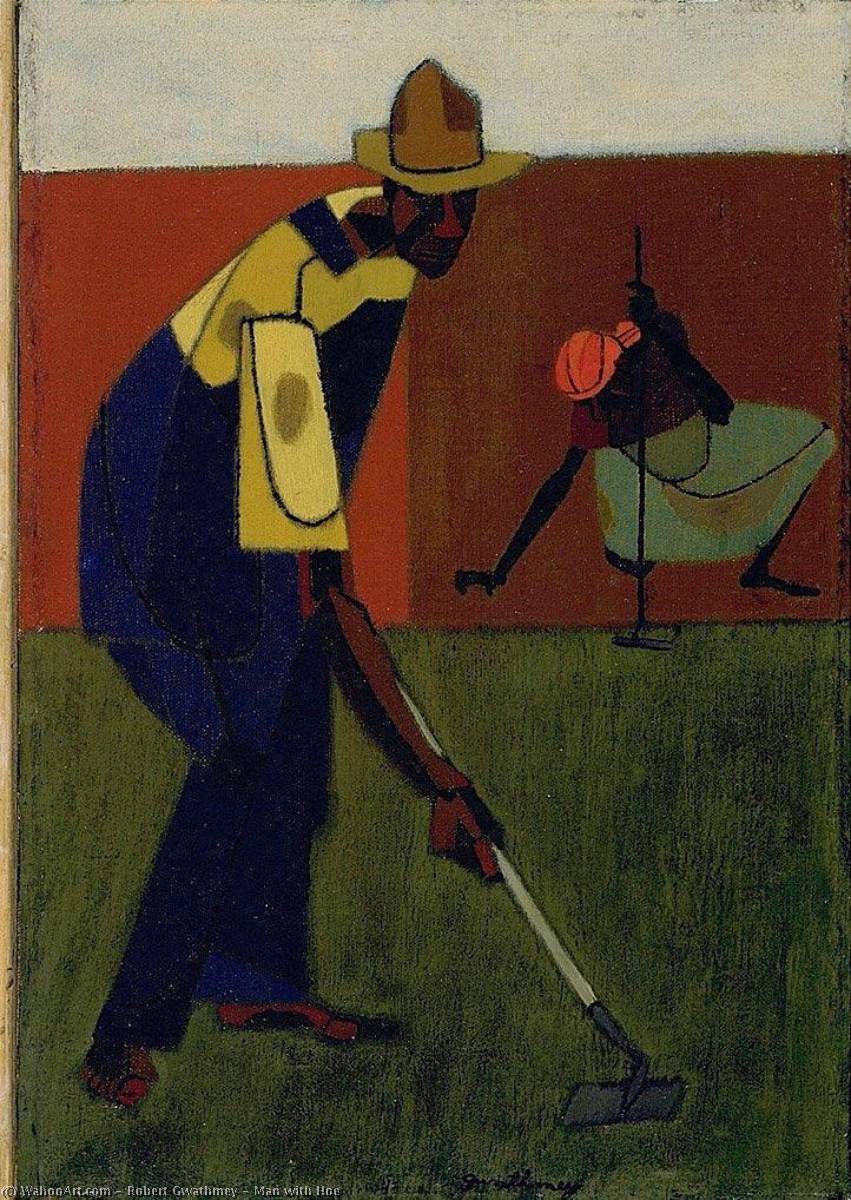
 Man with Hoe1944
16
 Singing and Mending1944
17
 Front Porch1947
18
 Poll Tax Country1945
19
 Sharecroppers and Blackberry Pickers1950
20
 Carrying the Sack1950
21
 Asleep at the Table1945 · Ogden Museum of Southern Art
22
 Untitled (813)
23
 Untitled (585)
24
 Untitled (196)
25
 Untitled (106)
26
 Untitled (721)
27
 Untitled (226)
28
 Untitled (193)
29
 Untitled (805)
30
 Untitled (561)
31
 Untitled (348)
32
 Untitled (491)
33
 Untitled (360)
34
 Untitled (416)
35
 Untitled (558)
36
 Untitled (285)
37
 Untitled (857)
38
 Untitled (207)
39
 Untitled (788)
40
 Untitled (724)
41
 Untitled (668)
42
 Untitled (655)
43
 Untitled (626)
44
 Untitled (735)
45
 Untitled (909)
46
 Untitled (968)
47
 Untitled (878)
48
 Untitled (106)
49
 Untitled (958)
50
 Untitled (857)
51
 Untitled (430)
52
 Untitled (750)
53
 Untitled (183)
54
 Untitled (229)
55
 Untitled (565)
56
 Going Home
De 2 musea met de meeste schilderijen op deze pagina.
| Museum | Stad | Werken van Robert Gwathmey | Schilderijen uit deze lijst |
|---|---|---|---|
 Art Institute of Chicago |
Chicago | 1 | The Farmer Wanted a Boy |
 Ogden Museum of Southern Art |
New Orleans | 1 | Asleep at the Table |
De gedateerde originele werken van Robert Gwathmey die hier worden getoond, beslaan een periode van ongeveer tien jaar, van 1942 tot 1951: het oog volgt ze jaar voor jaar.
Selecteer een jaar om de originele werken te bekijken.


The Farmer Wanted a Boy (1942), Art Institute of Chicago, Chicago. Portrait of a Farmer's Wife (1951) en Parade (1951) volgen.
39 jaar oud: The Farmer Wanted a Boy dateert uit 1942, en Robert Gwathmey werd geboren in 1903.
The Farmer Wanted a Boy, Portrait of a Farmer's Wife, Parade, Untitled (504), Untitled (978), Untitled (811), Untitled (540), Untitled (830), Untitled (598) en Untitled (389). De bovenstaande ranglijst vermeldt het jaar en het museum van elk werk.
Onze catalogus bevat 59 werken van Robert Gwathmey, daterend van 1942 tot 1951.
Voornamelijk in Art Institute of Chicago (Chicago) en Ogden Museum of Southern Art (New Orleans). De bovenstaande museumtabel bevat een volledig overzicht.
In 1944: 2 van de 56 werken op deze pagina werden toen gemaakt, waaronder Man with Hoe.
Op deze pagina is het vroegste The Farmer Wanted a Boy (1942) en het laatste Portrait of a Farmer's Wife (1951).
Social realism, te oordelen aan de originelen op deze pagina.