

1


Bijgewerkt in november 2026 · gerangschikt op basis van onze populariteitsscore (zoekopdrachten, bezoeken en bestellingen per kunstwerk) · 3 werken van Pasquale Ottini in onze catalogus
Kortom
Mary Magdalen (1600) is het schilderij van Pasquale Ottini dat de meeste aandacht trekt; het origineel bevindt zich in het Minneapolis Institute of Art, Minneapolis. Daarna gaat de blik naar The Madonna with Saint Lorenzo Giustiniani and a Venetian Nobleman (1630) en Saint Lucy. Van de 3 werken van Pasquale Ottini in onze catalogus zijn dit de 3 bekendste, elk een uniek origineel gepresenteerd met het jaar, het museum en de reden waarom het blijft voortbestaan.
De 2 musea met de meeste schilderijen op deze pagina.
| Museum | Stad | Werken van Pasquale Ottini | Schilderijen uit deze lijst |
|---|---|---|---|
 Minneapolis Institute of Art |
Minneapolis | 1 | Mary Magdalen |
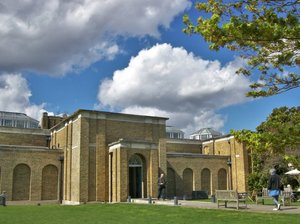 Dulwich Picture Gallery |
London | 1 | The Madonna with Saint Lorenzo Giustiniani and a Venetian Nobleman |
Een lange carrière van 31 jaar, van 1600 tot 1630: de beroemdste originele werken van Pasquale Ottini, jaar voor jaar getoond.
Selecteer een jaar om de originele werken te bekijken.

Mary Magdalen (1600), Minneapolis Institute of Art, Minneapolis. The Madonna with Saint Lorenzo Giustiniani and a Venetian Nobleman (1630) en Saint Lucy volgen.
22 jaar oud: Mary Magdalen dateert uit 1600, en Pasquale Ottini werd geboren in 1578.
Onze catalogus bevat 3 werken van Pasquale Ottini, daterend van 1600 tot 1630.
Voornamelijk in Minneapolis Institute of Art (Minneapolis) en Dulwich Picture Gallery (London). De bovenstaande museumtabel bevat een volledig overzicht.
Op deze pagina is het vroegste Mary Magdalen (1600) en het laatste The Madonna with Saint Lorenzo Giustiniani and a Venetian Nobleman (1630).
In the quiet workshops of Verona, a young man named Pasquale Ottini began to find his voice under the watchful eye of Felice Brusasorci. He was not alone in this pursuit of craft; alongside him, Alessandro Turchi shared the same lessons and the same air. These early years were defined by the discipline of the studio, where the brush was guided by the traditions of a master. When Brusasorci passed away in 1605, the weight of unfinished business fell upon the young pupils. Ottini and Turchi stepped forward to complete a large canvas of the Fall of Manna for the church of San Giorgio in Braida, ensuring their teacher's vision reached its conclusion.
The early works of this period reveal a hand steeped in the Mannerist style. There is a certain tension in those first compositions, a lingering influence of the complex forms and stylized grace that characterized the era. While his path was largely centered in his hometown, whispers of a journey to Rome around 1615 suggest a life that reached beyond the borders of Verona. Whether he traveled with Turchi and Marcantonio Bassetti or remained close to the familiar streets of his birth, his presence in the artistic landscape of the seventeenth century remained steady.
Ottini’s career was marked by a devotion to the sacred spaces of his city. His hands worked upon many subjects that sought to bring the divine into the physical realm of the viewer. He left his mark upon the churches of San Stefano and San Giorgio, painting scenes such as the Massacre of the Innocents and San Niccolo. His ability to handle various media and subjects allowed him to move between the grand scale of church altarpieces and more intimate works, such as the Deposition completed for the church of San Francesco di Paola.
The shadows of history eventually caught up to the painter. In 1630, as the plague swept through Verona, Ottini’s own life reached its end. He died in the same city where he had learned his trade, leaving behind a body of work that reflected the shifting tastes of his time. His legacy survives through the paintings he left in the hands of the faithful and the collections that hold his depictions of the Assumption of the Virgin and the Lamentation of Christ.
