Mary Moser Lloyd: A Pioneer of Floral Painting and Female Artistic Achievement
Mary Moser Lloyd (1744-1819), a remarkable English painter, stands as one of the most celebrated female artists of the 18th century—a testament to her unwavering dedication to artistic excellence and a pivotal figure in establishing women’s presence within the burgeoning
British art scene. Born in London, she benefited from the mentorship of her father, George Michael Moser, himself an accomplished artist and enameller, inheriting a lineage steeped in artistic tradition. This formative influence would prove instrumental in shaping her distinctive style and propelling her toward groundbreaking accomplishments.
- Early Life and Training:
George Moser’s Influence: Mary’s father instilled in her a profound understanding of artistic technique, particularly enameling—a craft that demanded precision and meticulous observation. This grounding would later translate into the exceptional detail evident in her floral paintings.
- Founding Member of the Royal Academy:
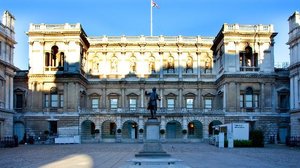
A Landmark Achievement: In 1768, alongside Angelica Kauffman, Mary Moser Lloyd achieved a monumental feat—she became one of the two founding members of the Royal Academy. This unprecedented inclusion underscored her determination to pursue artistic endeavors and solidified her position as a champion for female artists within British society.
The Artistry of Floral Still Life
Mary Moser Lloyd’s
artistic legacy rests primarily upon her masterful depictions of flowers—a genre she helped elevate to prominence in
British art. Unlike many contemporaries who favored grand historical narratives or portraiture, Moser focused on capturing the delicate beauty and intricate textures of botanical specimens. Her approach was characterized by meticulous scientific accuracy combined with an undeniable aesthetic sensibility. She painstakingly studied plant anatomy and coloration, translating her observations into canvases brimming with vibrant hues and nuanced shading—a technique that distinguishes her work from its peers.
- Notable Floral Paintings:
“Summer”: Perhaps her most iconic piece, “Summer,” exemplifies Moser’s artistic vision. This stunning watercolor captures the ethereal glow of sunlight filtering through foliage, showcasing an unparalleled level of realism and conveying a profound appreciation for the natural world.
- Technique and Observation:
Scientific Precision: Moser's meticulous attention to detail—evident in her layering of translucent washes and careful rendering of petal contours—demonstrates her commitment to scientific observation. She wasn’t merely portraying flowers; she was documenting them with unwavering accuracy.
Influence and Legacy
Mary Moser Lloyd's contribution extended beyond her individual artworks, establishing herself as a trailblazer for women in British
art history. Her success at the Royal Academy challenged societal expectations regarding female artistic pursuits—opening doors for future generations of women artists to pursue their passions without constraint.
- Recognition and Museums:
Victoria & Albert Museum: Mary Moser Lloyd’s paintings are housed in prestigious institutions such as the Victoria & Albert Museum, ensuring her artistic achievements endure for posterity.
- A Lasting Impression:
Pioneer Spirit: Her unwavering dedication to her craft and her pioneering role within the Royal Academy cemented her place as one of Britain’s most important female artists—inspiring countless individuals to embrace creativity and defy conventional limitations.
Concluding Remarks
Mary Moser Lloyd's life and artistic endeavors serve as an enduring inspiration for art lovers worldwide. Her unwavering commitment to her craft, coupled with her groundbreaking achievement in establishing a space for women within the
British art world—a feat rarely accomplished during her time—solidifies her legacy as a true visionary. As a testament to her talent and perseverance, Mary Moser Lloyd continues to captivate audiences with her exquisite floral paintings—a timeless reminder of artistic brilliance and unwavering determination.