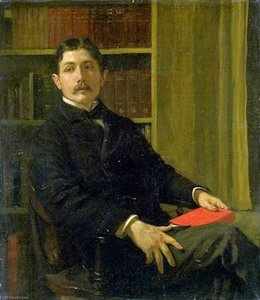
Portret van Kenyon Cox

De 71 beroemdste schilderijen van Kenyon Cox, elk uniek

Bijgewerkt in november 2026 · gerangschikt op basis van onze populariteitsscore (zoekopdrachten, bezoeken en bestellingen per kunstwerk) · 76 werken van Kenyon Cox in onze catalogus

Kortom

The Progress of Civilization The Forge, Commerce, and Education (mural study, State Capitol, Des Moines, Iowa) (1906) is het schilderij van Kenyon Cox dat de meeste aandacht trekt; het origineel bevindt zich in het Smithsonian American Art Museum, Washington, D.C.. Daarna gaat de blik naar Landscape at Grez (1879) en Henry L. Fry (1883). Van de 76 werken van Kenyon Cox in onze catalogus zijn dit de 71 bekendste, elk een uniek origineel gepresenteerd met het jaar, het museum en de reden waarom het blijft voortbestaan.

1856 – 1919, Warren Classical realism Meeste werken: Smithsonian American Art Museum

Top 10 schilderijen van Kenyon Cox, door de ogen van de galerie

1
The Progress of Civilization The Forge, Commerce, and Education (mural study, State Capitol, Des Moines, Iowa) (1906) door Kenyon Cox

The Progress of Civilization The Forge, Commerce, and Education (mural study, State Capitol, Des Moines, Iowa)

1906 · Oil On Canvas · Smithsonian American Art Museum, Washington, D.C.

The Progress of Civilization The Forge, Commerce, and Education (mural study, State Capitol, Des Moines, Iowa) is an oil on canvas work by Kenyon Cox. Created about 1905-1906, this piece functions as a preparatory study for a larger mural intended for the State Capitol in Des Moines, Iowa. The artist, Kenyon Cox, sought to capture the movement of human advancement through these specific, segmented scenes.

2
Landscape at Grez (1879) door Kenyon Cox

Landscape at Grez

1879 · Black and White Photography · Cincinnati Art Museum, Cincinnati

In Landscape at Grez, Kenyon Cox organizes a formal indoor setting through a centered composition. The subject, a man seated in a decorative wooden chair, is positioned slightly to the right of the vertical axis. This slight offset breaks the symmetry of the room, providing a sense of depth against the structured background. The perspective is a straight-on eye-level shot, placing the viewer directly in front of the subject within…

3
Henry L. Fry (1883) door Kenyon Cox

Henry L. Fry

1883 · Oil On Canvas · Cincinnati Art Museum, Cincinnati

This oil on canvas portrait by Kenyon Cox depicts Henry L. Fry. Created in 1883, the work presents the subject in a full-length view. The man is positioned slightly off-center against a background of draped fabric. He is shown with a white beard and wears a dark overcoat. The composition is vertical, focusing on the single figure within the frame.

4
The Approach of Love (1890) door Kenyon Cox

The Approach of Love

1890 · Oil · Cincinnati Art Museum, Cincinnati

In "The Approach of Love" by Kenyon Cox, the horizontal plane is anchored by a massive, curved marble bench. This white sarcophagus occupies the center of the scene, acting as a heavy, pale foundation for the figures. On the left, a nude woman with long reddish-brown hair reclines against the stone. A voluminous, golden-yellow fabric spills over the edge of the marble, its bright weight contrasting against the cool, white…

5
Diana (1890) door Kenyon Cox

Diana

1890 · Oil On Canvas · Chazen Museum of Art, Madison

In "Diana" by Kenyon Cox, the Roman goddess Artemis emerges from the shadows of a lush, wooded landscape. Created about 1890, the work places the deity at the center of a quiet, natural world. She is rendered as a full-length nude figure, her form poised against the deep greens and browns of the surrounding foliage. The goddess occupies the heart of the scene, a singular presence amidst the organic textures…

6
The Harp Player (A Solo) (1888) door Kenyon Cox

The Harp Player (A Solo)

1888 · Oil On Canvas · Metropolitan Museum of Art, New York

The Harp Player (A Solo) is an oil painting by the American artist Kenyon Cox. Created about 1888, the work emerged during a period when Cox was establishing his reputation within the academic traditions of the late 19th century. His practice emphasized careful drawing and a commitment to classical ideals, often focusing on genre studies and idealized forms.

7
The Fall (1892) door Kenyon Cox

The Fall

1892 · Oil On Canvas

In this 1892 oil painting, Kenyon Cox captures a moment of profound transition within a lush, wooded landscape. The work, titled The Fall, presents the biblical narrative of Adam and Eve at the precise instant of their temptation. A serpent coils around the trunk of a tree, embodying the presence of evil, while Eve reaches out to offer the fruit to Adam. This central action transforms the garden into a…

8
Head of the Queen of Egypt (1888) door Kenyon Cox

Head of the Queen of Egypt

1888 · Oil · Smithsonian American Art Museum, Washington, D.C.

In this work, titled Head of the Queen of Egypt, the artist Kenyon Cox presents a focused study of a historical figure. The painting depicts the head of Nefertiti, the Egyptian queen who belonged to the Eighteenth Dynasty. It is a quiet, measured representation that captures the likeness of the sculpted bust rather than a living person.

9
Bird Song (1896) door Kenyon Cox

Bird Song

1896 · Oil

In "Bird Song" by Kenyon Cox, a seated female figure occupies the center of the frame. She is positioned vertically, a steady pillar of quietude amidst a soft-focus world. Her white chemise-style top is patterned with small green leaf motifs, a delicate detail against the pale fabric. Below, a heavy, draped skirt of greyish-purple pools around her feet in thick, weighted folds. She holds a long, slender wooden flute in…

10
Christ (1905) door Kenyon Cox

Christ

1905 · Oil On Canvas · Cleveland Museum of Art, Cleveland

In the painting Christ by Kenyon Cox, the composition is centered and symmetrical. The subject is presented in a full-length view, standing as a single male figure against a landscape background. This figure is depicted with long brown hair and a beard. He wears voluminous, flowing red robes that drape heavily around the body. His arms are slightly extended to his sides, with the palms facing upward in a gesture…

De beroemde schilderijen van Kenyon Cox, nummer 11 tot 71

11(Iowa State Capitol Rotunda) (Manufactures, study for panel) (1905) door Kenyon Cox(Iowa State Capitol Rotunda) (Manufactures, study for panel)1905 12(Iowa State Capitol Rotunda) (Manufactures, study for panel) (1905) door Kenyon Cox(Iowa State Capitol Rotunda) (Manufactures, study for panel)1905 · Smithsonian American Art Museum 13Maxfield Parrish (1905) door Kenyon CoxMaxfield Parrish1905 14Tradition (1916) door Kenyon CoxTradition1916 · Cleveland Museum of Art 15The Education of Cupid (1917) door Kenyon CoxThe Education of Cupid1917 16Sketch for the Mural at Oberlin College, The Spirit of Self Sacrificing Love (1914) door Kenyon CoxSketch for the Mural at Oberlin College, The Spirit of Self Sacrificing Love1914 · Smithsonian American Art Museum 17Augustus Saint-Gaudens (1908) door Kenyon CoxAugustus Saint-Gaudens1908 · Metropolitan Museum of Art 18(Study for Labor ) (1870) door Kenyon Cox(Study for Labor )1870 19Study for Mosaic, Wisconsin State Capitol, (1912) door Kenyon CoxStudy for Mosaic, Wisconsin State Capitol,1912 · Oklahoma City Museum of Art 20(Untitled) (Greco Roman Discus Thrower) (1873) door Kenyon Cox(Untitled) (Greco Roman Discus Thrower)1873 21(Untitled) (Study of Standing Male Nude) (1876) door Kenyon Cox(Untitled) (Study of Standing Male Nude)1876 22(Untitled) (Studies of Male Nudes) (1876) door Kenyon Cox(Untitled) (Studies of Male Nudes)1876 23Flying Shadows (1883) door Kenyon CoxFlying Shadows1883 24Landscape (1883) door Kenyon CoxLandscape1883 · Metropolitan Museum of Art 25Flying Shadows (1883) door Kenyon CoxFlying Shadows1883 · National Gallery of Art 26A Lady in Black (1880) door Kenyon CoxA Lady in Black1880 · Smithsonian American Art Museum 27Study for Evening (1883) door Kenyon CoxStudy for Evening1883 · Smithsonian American Art Museum 28After Titian's Madonna of the Rabbit (1882) door Kenyon CoxAfter Titian's Madonna of the Rabbit1882 · Smithsonian American Art Museum 29After Boltraffio, Sacra Conversazione (1882) door Kenyon CoxAfter Boltraffio, Sacra Conversazione1882 · Smithsonian American Art Museum 30May (1890) door Kenyon CoxMay1890 31Indian Summer (1887) door Kenyon CoxIndian Summer1887 · Smithsonian American Art Museum 32Louise Howland King (Mrs. Kenyon Cox) (1892) door Kenyon CoxLouise Howland King (Mrs. Kenyon Cox)1892 · Smithsonian American Art Museum 33Study for Drapery of Pursuit of the Ideal (1891) door Kenyon CoxStudy for Drapery of Pursuit of the Ideal1891 · Smithsonian American Art Museum 34Echo (1892) door Kenyon CoxEcho1892 · Smithsonian American Art Museum 35An Eclogue (1890) door Kenyon CoxAn Eclogue1890 · Smithsonian American Art Museum 36Sketches for a Decoration of a Private Library B (1894) door Kenyon CoxSketches for a Decoration of a Private Library B1894 · Smithsonian American Art Museum 37Sketches for the Decoration of a Private Library A (1894) door Kenyon CoxSketches for the Decoration of a Private Library A1894 · Smithsonian American Art Museum 38Portrait of Mr. Wiley (1894) door Kenyon CoxPortrait of Mr. Wiley1894 39Study for Science Instructing Industry (1898) door Kenyon CoxStudy for Science Instructing Industry1898 · Smithsonian American Art Museum 40(Iowa State Capitol Rotunda) (Hunting, study for panel) (1905) door Kenyon Cox(Iowa State Capitol Rotunda) (Hunting, study for panel)1905 41Hope and memory (1900) door Kenyon CoxHope and memory1900 42Study for Mural at Hotel Manhattan, Peace and Plenty (1901) door Kenyon CoxStudy for Mural at Hotel Manhattan, Peace and Plenty1901 · Smithsonian American Art Museum 43Untitled, Portrait of a Young Girl (1900) door Kenyon CoxUntitled, Portrait of a Young Girl1900 44Study for mural, Union Trust Company Building, The Sources of Wealth (1903) door Kenyon CoxStudy for mural, Union Trust Company Building, The Sources of Wealth1903 · Smithsonian American Art Museum 45(Iowa State Capitol Rotunda) (study for Six Lunettes) (1905) door Kenyon Cox(Iowa State Capitol Rotunda) (study for Six Lunettes)1905 46Study for Christ (1905) door Kenyon CoxStudy for Christ1905 · Smithsonian American Art Museum 47Study for Mural for Appellate Court Building, New York Statute Law , Helmet for Figure of Force (1899) door Kenyon CoxStudy for Mural for Appellate Court Building, New York Statute Law , Helmet for Figure of Force1899 · Smithsonian American Art Museum 48Approach of Love door Kenyon CoxApproach of LoveCincinnati Art Museum 49Augustus Saint Gaudens (1908) door Kenyon CoxAugustus Saint Gaudens1908 50Plenty (1910) door Kenyon CoxPlenty1910 · Smithsonian American Art Museum 51The Silver Hand Glass (1907) door Kenyon CoxThe Silver Hand Glass1907 · Smithsonian American Art Museum 52The Progress of Civilization Science and Art (mural study, State Capitol, Des Moines, Iowa) (1906) door Kenyon CoxThe Progress of Civilization Science and Art (mural study, State Capitol, Des Moines, Iowa)1906 · Smithsonian American Art Museum 53The Progress of Civilization Hunting, Herding, Agriculture (mural study, State Capitol, Des Moines, Iowa) (1906) door Kenyon CoxThe Progress of Civilization Hunting, Herding, Agriculture (mural study, State Capitol, Des Moines, Iowa)1906 · Smithsonian American Art Museum 54Study for Mural at U.S. Custom House, Cleveland, OH, Passing Commerce Pays Tribute to the Port of Cleveland (1909) door Kenyon CoxStudy for Mural at U.S. Custom House, Cleveland, OH, Passing Commerce Pays Tribute to the Port of Cleveland1909 · Smithsonian American Art Museum 55Study for Mosaic, Wisconsin State Capital, Legislation (1913) door Kenyon CoxStudy for Mosaic, Wisconsin State Capital, Legislation1913 · Smithsonian American Art Museum 56Book of Pictures (1917) door Kenyon CoxBook of Pictures1917 · Smithsonian American Art Museum 57Study for Mosaic, Wisconsin State Capital, Justice (1913) door Kenyon CoxStudy for Mosaic, Wisconsin State Capital, Justice1913 · Smithsonian American Art Museum 58Study for mosaic in the Wisconsin State Capital Government and Liberty (1912) door Kenyon CoxStudy for mosaic in the Wisconsin State Capital Government and Liberty1912 · Smithsonian American Art Museum 59Sketch for Mosaic, Wisconsin State Capital, Justice (1912) door Kenyon CoxSketch for Mosaic, Wisconsin State Capital, Justice1912 · Smithsonian American Art Museum 60Nude Study for Mosaic, Wisconsin State Capitol, (1912) door Kenyon CoxNude Study for Mosaic, Wisconsin State Capitol,1912 · Oklahoma City Museum of Art 61Nude Study for Mosaic, Wisconsin State Capitol, (1912) door Kenyon CoxNude Study for Mosaic, Wisconsin State Capitol,1912 · Oklahoma City Museum of Art 62Nude Study for Mosaic, Wisconsin State Capitol, (1912) door Kenyon CoxNude Study for Mosaic, Wisconsin State Capitol,1912 · Oklahoma City Museum of Art 63Nude Study for Mosaic, Wisconsin State Capitol, (1912) door Kenyon CoxNude Study for Mosaic, Wisconsin State Capitol,1912 · Oklahoma City Museum of Art 64Study for Mosaic, Wisconsin State Capitol, (1912) door Kenyon CoxStudy for Mosaic, Wisconsin State Capitol,1912 · Oklahoma City Museum of Art 65Study for Mosaic, Wisconsin State Capitol, (1912) door Kenyon CoxStudy for Mosaic, Wisconsin State Capitol,1912 · Oklahoma City Museum of Art 66Nude Study for Mosaic, Wisconsin State Capitol, (1912) door Kenyon CoxNude Study for Mosaic, Wisconsin State Capitol,1912 · Oklahoma City Museum of Art 67Fields (1885) door Kenyon CoxFields1885 68Study for Mosaic, Wisconsin State Capitol, (1912) door Kenyon CoxStudy for Mosaic, Wisconsin State Capitol,1912 · Oklahoma City Museum of Art 69Nude Study for Mosaic, Wisconsin State Capitol, (1912) door Kenyon CoxNude Study for Mosaic, Wisconsin State Capitol,1912 · Oklahoma City Museum of Art 70Cartoon for mural of Minnesota State Capital, Institute of Justice door Kenyon CoxCartoon for mural of Minnesota State Capital, Institute of JusticeSmithsonian American Art Museum 71Lengthening Shadows (1888) door Kenyon CoxLengthening Shadows1888 · Smithsonian American Art Museum

De onderwerpen die de aandacht van Kenyon Cox troffen

De vier onderwerpen die het meest voorkomen in deze originelen, elk met zijn mooiste voorbeeld.

De musea waar de originele werken van Kenyon Cox worden bewaard

De 7 musea met de meeste schilderijen op deze pagina.

Museum Stad Werken van Kenyon Cox Schilderijen uit deze lijst
Smithsonian American Art Museum, Washington, D.C.Smithsonian American Art Museum Washington, D.C. 32 The Progress of Civilization The Forge, Commerce, and Education (mural study, State Capitol, Des Moines, Iowa), Head of the Queen of Egypt, (Iowa State Capitol Rotunda) (Manufactures, study for panel)
Oklahoma City Museum of Art, Oklahoma CityOklahoma City Museum of Art Oklahoma City 10 Study for Mosaic, Wisconsin State Capitol,, Nude Study for Mosaic, Wisconsin State Capitol,, Nude Study for Mosaic, Wisconsin State Capitol,
Cincinnati Art Museum, CincinnatiCincinnati Art Museum Cincinnati 4 Landscape at Grez, Henry L. Fry, The Approach of Love
Metropolitan Museum of Art, New YorkMetropolitan Museum of Art New York 3 The Harp Player (A Solo), Augustus Saint-Gaudens, Landscape
Cleveland Museum of Art, ClevelandCleveland Museum of Art Cleveland 2 Christ, Tradition
Chazen Museum of Art, MadisonChazen Museum of Art Madison 1 Diana
National Gallery of Art, WashingtonNational Gallery of Art Washington 1 Flying Shadows

Kenyon Cox door de decennia heen: elk een uniek origineel

Werken per decennium

Kies een decennium om het origineel te zien dat dit tijdperk definieert.

Schilderijen van Kenyon Cox: vragen voor de galerie

Wat is het bekendste werk van Kenyon Cox?Onthul het antwoord

The Progress of Civilization The Forge, Commerce, and Education (mural study, State Capitol, Des Moines, Iowa) (1906), Smithsonian American Art Museum, Washington, D.C.. Landscape at Grez (1879) en Henry L. Fry (1883) volgen.

Op welke leeftijd creëerde Kenyon Cox The Progress of Civilization The Forge, Commerce, and Education (mural study, State Capitol, Des Moines, Iowa)?Onthul het antwoord

50 jaar oud: The Progress of Civilization The Forge, Commerce, and Education (mural study, State Capitol, Des Moines, Iowa) dateert uit 1906, en Kenyon Cox werd geboren in 1856.

Welke tien schilderijen van Kenyon Cox zijn het meest bekend?Onthul het antwoord

The Progress of Civilization The Forge, Commerce, and Education (mural study, State Capitol, Des Moines, Iowa), Landscape at Grez, Henry L. Fry, The Approach of Love, Diana, The Harp Player (A Solo), The Fall, Head of the Queen of Egypt, Bird Song en Christ. De bovenstaande ranglijst vermeldt het jaar en het museum van elk werk.

Hoeveel werken van Kenyon Cox zijn er bekend?Onthul het antwoord

Onze catalogus bevat 76 werken van Kenyon Cox, daterend van 1870 tot 1917.

Waar kunnen de beroemdste originelen van Kenyon Cox worden bekeken?Onthul het antwoord

Voornamelijk in Smithsonian American Art Museum (Washington, D.C.), Oklahoma City Museum of Art (Oklahoma City) en Cincinnati Art Museum (Cincinnati). De bovenstaande museumtabel bevat een volledig overzicht.

In welke periode creëerde Kenyon Cox de bekendste schilderijen?Onthul het antwoord

In 1910s: 19 van de 71 werken op deze pagina werden toen gemaakt, waaronder Tradition.

Welk beroemd schilderij van Kenyon Cox is de vroegste, en welke de laatste?Onthul het antwoord

Op deze pagina is het vroegste (Study for Labor ) (1870) en het laatste The Education of Cupid (1917).

Welke onderwerpen had Kenyon Cox de voorkeur?Onthul het antwoord

Woman (9), Pencil sketch (5) en Man (4), verspreid over de 71 werken op deze pagina.

Met welke materialen schilderde Kenyon Cox het meest?Onthul het antwoord

Oil On Canvas, voor 11 van de 71 werken op deze pagina.

Bij welke stroming behoort het werk van Kenyon Cox?Onthul het antwoord

Classical realism, te oordelen aan de originelen op deze pagina.

Welke originele werken van Kenyon Cox kan ik zien in het Smithsonian American Art Museum?Onthul het antwoord

The Progress of Civilization The Forge, Commerce, and Education (mural study, State Capitol, Des Moines, Iowa), Head of the Queen of Egypt en (Iowa State Capitol Rotunda) (Manufactures, study for panel): het Smithsonian American Art Museum, Washington, D.C. herbergt 32 van de werken op deze pagina.

Kenyon Cox: een portret van de kunstenaar

Kenyon Cox: Leven en Nalatenschap

Het leven van Kenyon Cox was een voortdurende zoektocht naar de essentie van schoonheid en de klassieke idealen die de kunstwereld vormgaven. Geboren op 27 oktober 1856 in Warren, Ohio, als zoon van Jacob Dolson Cox en Helen Finney Cox, begon zijn artistieke reis in de bescheiden omgeving van de Art Academy of Cincinnati. Hoewel de McMicken School of Art zijn eerste stappen zette, voelde de jonge Cox al snel de beperkingen van de artistieke mogelijkheden in zijn geboorteplaats. Een bezoek aan de Centennial Exposition in Philadelphia fungeerde als een katalysator; het opende zijn ogen voor een grotere wereld en dreef hem naar de Pennsylvania Academy of Fine Arts, met de hoop dat dit de weg zou vrijmaken voor de ultieme artistieke bestemming: Europa.

In 1877 trok Cox naar Parijs, een stad die destijds een "tweede renaissance" beleefde en een magneet was voor Amerikaanse kunstenaars op zoek naar inspiratie. In de schaduw van de École des Beaux-Arts verfijnde hij zijn techniek onder de meesters Carolus-Duran, Jean-Léon Gérôme en Alexandre Cabanel. Hoewel hij aanvankelijk de lessen van Carolus-Duran volgde, ontstond er een innerlijk conflict toen hij de stijl van de meester als te "vulgair" begon te ervaren. Zijn reizen door Frankrijk en Italië boden echter een diepere spirituele voeding; de confrontatie met de werken van de Renaissance-meesters zou zijn artistieke visie voorgoed transformeren en zijn liefde voor de klassieke traditie verankeren.

Bij zijn terugkeer naar New York City in 1882, vestigde Cox zich als een veelzijdige kracht in de kunstwereld, zowel als schilder als illustrator. Zijn illustraties in tijdschriften bereikten een breed publiek dat zijn meer ingetogen schilderijen wellicht minder snel zou ontmoeten. Naast zijn creatieve werk uitte hij zijn scherpe intellect als kunstcriticus voor de New York Evening Post, waarbij hij zijn inkomen aanvulde met diepgaande analyses. Zijn stijl neigde onverzettelijk naar het realisme, met een meesterlijke focus op landschappen, portretten en genre-studies. Hij stond bekend om zijn geïdealiseerde naakten en zijn vermogen om klassieke thema's met een traditionele, bijna tijdloze waardigheid te behandelen.

Als docent liet Cox een onuitwisbare stempel achter op de Art Students League of New York. Hij vormde generaties kunstenaars en ontwierp zelfs het logo van de League, voorzien van het inspirerende motto “Nulla Dies Sine Linea” (Geen dag zonder een lijn). Zijn institutionele invloed was enorm; hij werd in 1900 gekozen als Associate Academician en in 1903 als volwaardig Academician van de National Academy of Design. Als medeoprichter en secretaris van de National Free Arts League en als president van de National Society of Mural Painters tussen 1915 en 1919, was hij een centrale figuur in het Amerikaanse kunstbestel.

In een tijdperk waarin de moderne kunstbewegingen de gevestigde orde uitdaagden, bleef Cox een onvermoeibare verdediger van de klassieke waarden. Zijn werk was een pleidooi voor zorgvuldige tekenkunst, gemoduleerd kleurgebruik en de diepe symboliek van allegorieën. In zijn geschriften, zoals het invloedrijke “Two Ways of Painting,” zette hij scherp uiteen hoe figuratieve kunst zich moest verhouden tot de opkomende abstracte stromingen. Hoewel hij geen radicale innovator was in de zin van het breken met het verleden, was zijn nalatenschap cruciaal: hij bewaakte de artistieke standaarden en voedde de aspiraties van degenen die de traditie voort zouden zetten. Zijn reis kwam tot een einde op 17 maart 1919, maar zijn toewenning aan de perfectie van de lijn blijft zichtbaar in zijn werk.

Vroege jaren en opleiding

Het levensverhaal van Kenyon Cox begon op 27 oktober 1856 in Warren, Ohio,, geboren uit het huwelijk van Jacob Dolson Cox en Helen Finney Cox. Hoewel zijn wortels in het Amerikaanse hartland lagen, was zijn artistieke horizon al snel veel groter dan de grenzen van zijn geboorteplaats. Zijn eerste stappen in de kunstwereld maakte hij aan de Art Academy of Cincinnati, destijds bekend als de McMicken School of Art. Echter, de beperkte artistieke mogelijkheden in de stad boden hem al snel onvoldoende ruimte om zijn talent volledig te ontplooien. Een cruciaal moment in zijn vorming vond plaats tijdens een bezoek aan de Centennial Exposition in Philadelphia; deze ontmoeting met de grootsheid van de kunst opende zijn ogen en dreef hem naar de Pennsylvania Academy of Fine Arts. Het was een bewuste stap in zijn zoektocht naar artistieke verdieping, gedreven door de hoop dat deze weg hem uiteindelijk naar de grote kunstcentra van Europa zou leiden.

Parijse vorming en invloeden

In 1877 maakte Cox de stap naar Parijs, waarbij hij zich aansloot bij een golf van Amerikaanse kunstenaars die op zoek waren naar artistieke inspiratie. Hij was ervan overtuigd dat Parijs een "tweede renaissance" in de kunst beleefde, een tijdperk van ongekende creativiteit. Tijdens zijn verblijf in de stad kreeg hij de kans om te studeren onder invloedrijke meesters zoals Carolus-Duran, Jean-Léon Gérôme en Alexandre Cabanel aan de prestigieuze École des Beaux-Arts. Hoewel hij zijn opleiding aanvankelijk bij Carolus-Duran begon, raakte hij gefrustreerd door wat hij ervoer als een zekere "vulgariteit" in de stijl van de meester. Zijn artistieke visie werd echter fundamenteel gevormd door zijn reizen door Frankrijk en Italië, waarbij hij in directe aanraking kwam met de tijdloze werken van de Renaissance-meesters, wat een blijvende stempel op zijn oeuvre zou drukken.

Carrière in New York en Artistieke Stijl

In 1882 keerde Cox terug naar New York City, een stad die de perfecte voedingsbodem bleek voor zijn groeiende talent als zowel schilder als illustrator.
Zijn illustratiewerk bracht hem een brede bekendheid; de gedetailleerde tekeningen die hij voor diverse tijdschriften maakte, bereikten een veel groter publiek dan zijn meer ingetogen schilderijen.
Naast zijn creatieve werk uitte hij zijn scherpe blik op de kunstwereld door als kunstcriticus te fungeren; hij schreef anonieme kritieken voor de New York Evening Post, waarmee hij zijn inkomen aanvullde en zijn diepgaande kennis van de esthetiek deelde.
Zijn artistieke stijl bewoog zich met overtuiging richting het realisme, waarbij hij een meesterlijke focus toonde in zijn landschappen, portretten en genreschilderingen. Hij verwierf een bijzondere reputatie voor zijn geïdealiseerde naakten en zijn traditionele, bijna tijdloze benadering van klassieke thema's.

Onderwijs en Institutionele Betrokkenheid

Buiten zijn creatieve arbeid als schilder, liet Kenyon Cox een onuitwisbare stempel achter in de wereld van het kunstonderwijs. Als een uiterst invloedrijke instructeur aan de Art Students League of New York vormde hij generaties aan opkomende kunstenaars, waarbij hij zijn passie voor vakmanschap overdroeg op de volgende lichting. Zijn betrokkenheid bij de League was zo diepgaand dat hij zelfs het logo van de instelling ontwierp, een ontwerp dat de inspirerende leus “Nulla Dies Sine Linea” (Geen dag zonder een lijn) draagt.

Zijn prestige binnen de artistieke gemeenschap werd verder bevestigd door zijn erkenning door de National Academy of Design; hij werd in 1900 gekozen als Associate Academician en bereikte in 1903 de status van volwaardig Academician. Naast deze academische successen was hij een drijvende kracht achter de organisatie van de kunstwereld als Oprichter en secretaris van de National Free Arts League. Zijn leiderschap strekte zich ook uit naar andere prestigieuze functies, waaronder zijn rol als president van de National Society of Mural Painters van 1915 tot 1919, een periode waarin hij met grote autoriteit diverse vooraanstaande kunstorganisaties vertegenwoordigde.

Grote Prestaties en Historische Betekenis

Het werk van Cox vormde een diepe toewijding aan klassieke idealen op een moment dat de moderne kunststromingen in opkomst waren. In een tijdperk van artistieke verschuivingen pleitte hij hartstochtelijk voor een nauwgezette tekenkunst, gemoduleerd kleurgebruik en het verfijnde gebruik van allegorie en symboliek. Zijn geschriften, waaronder het invloedrijke werk “Two Ways of Painting,” boden een scherpzinnige reflectie op het spanningsveld tussen figuratieve kunst en de opkomende abstracte of louter representatieve stijlen.

Nalatenschap: Hoewel hij geen radicale innovator was, speelde Kenyon Cox een cruciale rol in het bewaken van traditionele artistieke standaarden en het vormen van de volgende generatie kunstenaars. Zijn invloed reikte veel verder dan het canvas; het manifesteerde zich in zijn onderwijs en zijn onmisbare bijdragen aan het Amerikaanse kunstbestel.

Overlijden: 17 maart 1919.