Joseph Edward Southall: A Quiet Revolutionary
Joseph Edward Southall (1861 – 1944) stands as a compelling figure in British art history—a painter who championed tempera, embraced Pre-Raphaelite ideals, and steadfastly upheld socialist principles. Unlike many of his contemporaries who sought to dominate the artistic landscape with grand narratives or flamboyant experimentation, Southall pursued a path of quiet conviction, producing works imbued with profound spiritual depth and social responsibility. His legacy resides not merely in stylistic innovation but in an unwavering commitment to craftsmanship and ethical engagement—values that continue to resonate within the realm of visual culture today. ### Early Life and Influences Born in Nottingham on August 23rd, 1861, Southall descended from Quaker families steeped in tradition. His father, Joseph Sturge Southall, was a successful grocer and social reformer—a man deeply invested in the burgeoning movement for temperance and abolitionism.This familial ethos profoundly shaped Southall’s worldview, instilling within him a lifelong dedication to pacifism and social justice. Following his father's untimely death in 1862, he moved with his mother to Edgbaston, Birmingham—a city that would become the epicenter of his artistic endeavors.Southall’s formative years were marked by rigorous Quaker education at Ackworth School and Bootham School in York—institutions renowned for fostering intellectual curiosity and moral integrity. These experiences instilled within him a deep appreciation for simplicity and contemplation—qualities that would permeate his artistic practice.
### The Birmingham Group and Tempera Rediscovery A pivotal moment arrived during Southall’s visits to Europe in 1882–83, particularly his pilgrimage to Bayeux, Rouen, and Amiens. Witnessing the magnificent frescoes of Gozzoli ignited an ardent admiration for the artistic heritage of Italy—specifically the Quattrocento masters who predated the widespread adoption of oil painting.
However, it was Italy that truly captivated him. A thirteen-week sojourn in 1883 cemented his conviction that tempera—the medium favored by artists like Giotto and Duccio—represented the pinnacle of artistic purity.
He recalled vividly the “thrill of joy” experienced while viewing Carpaccio’s *Two Venetian Ladies* in Venice, noting Ruskin's insightful commentary on tempera as a catalyst for his artistic vision.
Inspired by Ruskin’s advocacy, Southall embarked upon an ambitious project to revive tempera painting—a technique he considered superior to oil due to its inherent limitations and fostering of deliberate contemplation.
This endeavor culminated in the formation of the Birmingham Group of Artist-Craftsmen in 1907—a collective united by a shared desire to resist industrialization and champion artistic integrity.
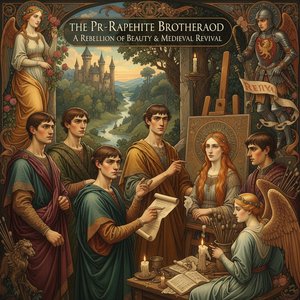
### Artistic Style and Themes Southall’s distinctive style was characterized by meticulous draughtsmanship, luminous color palettes, and an unwavering commitment to detail—traits that mirrored the Pre-Raphaelite aesthetic.
He shunned grand historical narratives or mythological scenes—instead focusing on intimate depictions of domestic interiors, landscapes imbued with symbolic resonance, and portraits capturing the essence of human character.
His artistic vision was profoundly informed by Quaker faith—a belief in the inherent goodness of humanity and the importance of compassion—and socialist convictions—a commitment to social justice and equality.
Southall’s murals—particularly *The Wedding Feast at Cana* (1917)—demonstrate his mastery of tempera technique and embody the Group's ethos of craftsmanship and ethical engagement.
These works are notable for their quiet dignity, subtle symbolism, and evocative portrayal of everyday life.
### Legacy and Recognition Throughout his prolific career, Southall served as President of the Royal Birmingham Society of Artists (RBSA) from 1939 until his death in 1944—a testament to his enduring influence within the British art community.
His paintings continue to inspire admiration for their beauty and intellectual depth—serving as a poignant reminder that artistic excellence can coexist with moral conviction.
Joseph Edward Southall’s contribution to British art is recognized by scholars and enthusiasts alike—his unwavering dedication to tempera, Ruskinian ideals, and socialist principles securing his place as one of the most significant figures in the Arts and Crafts movement.
Vraag & Antwoord
Hoe heeft de kunst van Joseph Edward Southall zich in de loop der tijd ontwikkeld?
De Chronologie van Joseph Edward Southall is een scrollbare tijdlijn die de werken van de kunstenaar in chronologische volgorde presenteert, gegroepeerd in hoofdstukken per carrièreperiode.
Wat zijn de geboorteplaats en het geboortejaar van Joseph Edward Southall?
Joseph Edward Southall werd geboren in Nottingham in 1861.
Waar kan ik alle kunstwerken van Joseph Edward Southall bekijken?
Alle werken van Joseph Edward Southall op deze website zijn te bekijken op de Alle kunstwerken pagina van de kunstenaar.