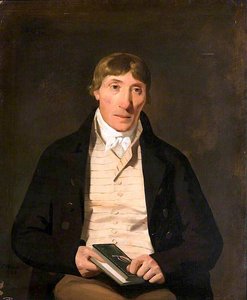
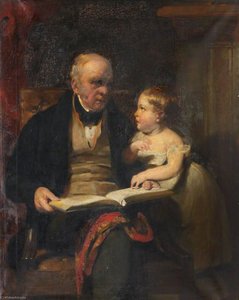
Portret van John Watson Gordon

De 100 bekendste schilderijen van John Watson Gordon, een selectie uit de galerie

Bijgewerkt in november 2026 · gerangschikt op basis van onze populariteitsscore (zoekopdrachten, bezoeken en bestellingen per kunstwerk) · 202 werken van John Watson Gordon in onze catalogus

Kortom

Van alle originele werken die John Watson Gordon heeft nagelaten, is Sir Walter Scott, 1771 - 1832. Novelist and poet (1830) het bekendst, in de collectie van het Scottish National Portrait Gallery, Edinburgh. Direct daarna volgen Mr Kippen (1810) en Roderick Gray (1788 - 1858) (1854). Onze catalogus bevat 202 werken van John Watson Gordon; de galerie heeft de 100 meest bewonderde werken ter wereld bewaard, elk voorzien van de datum, het museum en het verhaal erachter.

1788 – 1864, Edinburgh Meeste werken: Scottish National Portrait Gallery

De top 10 schilderijen van John Watson Gordon: de selectie van de galerie

1
Sir Walter Scott, 1771 - 1832. Novelist and poet (1830) door John Watson Gordon

Sir Walter Scott, 1771 - 1832. Novelist and poet

1830 · Oil On Canvas · Scottish National Portrait Gallery, Edinburgh

The oil on canvas work titled Sir Walter Scott, 1771 - 1832. Novelist and poet was executed by the artist John Watson Gordon in 1830. This portrait depicts the subject, Sir Walter Scott, who was a novelist and poet. The painting was commissioned by Robert Cadell for the 'Magnum Opus' edition of the Waverley Novels, which was produced between 1829 and 1833.

2
Mr Kippen (1810) door John Watson Gordon

Mr Kippen

1810 · Oil On Canvas · Scottish National Gallery, Edinburgh

To stand before Mr Kippen is to step directly into the refined drawing rooms of early nineteenth-century Britain. Painted in 1810 by Sir John Watson Gordon, this portrait transcends a mere likeness; it is a carefully constructed document of status, intellect, and quiet assurance. The gentleman depicted sits with an air of composed gravity, his presence commanding yet utterly natural. Gordon masterfully captures the essence of the era’s gentry—a class…

3
Roderick Gray (1788 - 1858) (1854) door John Watson Gordon

Roderick Gray (1788 - 1858)

1854 · Oil On Canvas · Scottish National Gallery, Edinburgh

A formal mid-19th-century oil portrait, this work presents an elderly man in a three-quarter length composition. The subject is positioned slightly off-center, lending a sense of physical weight to his presence. Dark browns, blacks, and deep umbers dominate the palette, creating a monochromatic environment that allows the warm flesh tones of the face and hands to emerge from the shadows. Directional lighting from the upper left casts much of the…

4
The Prince of Wales (King Edward VII) (1860) door John Watson Gordon

The Prince of Wales (King Edward VII)

1860 · Oil On Canvas · Smithsonian American Art Museum, Washington, D.C.

A young man sits in the quiet gravity of 1860. He is draped in a military tunic of saturated red, a color that pulls the eye away from the surrounding gloom. A blue sash cuts a sharp, diagonal path across his chest, slicing through the warmth of the fabric. Light falls heavily upon his face and the gold embroidery of his collar, leaving the edges of his figure to dissolve…

5
Anne Sherriff (1866–1781) (later Mrs Charles Young) (1835) door John Watson Gordon

Anne Sherriff (1866–1781) (later Mrs Charles Young)

1835 · Oil

The portrait depicts a woman seated in a controlled environment. She wears a dark, black dress that absorbs much of the light, contrasted by a white hat positioned upon her head. In her hands, she holds a single piece of paper, her fingers positioned to grip its edges. The background is composed of heavy red curtains that hang in vertical folds, providing a deep color field behind the subject. The…

6
An English gentleman (1850) door John Watson Gordon

An English gentleman

1850 · Oil On Canvas · Museo del Prado, Madrid

In "An English gentleman" by John Watson Gordon, the viewer meets a figure captured in a three-quarter length portrait. The subject sits slightly off-center, his body angled in a way that suggests a moment of quiet pause. He gazes toward the right of the frame, his eyes directed away from the viewer toward an unseen point in the distance. This eye-level perspective creates an intimate connection, as if one is…

7
William Ramsay; (1806-1865) (1800) door John Watson Gordon

William Ramsay; (1806-1865)

1800 · Oil On Canvas · The Hunterian Museum and Art Gallery, Glasgow

The portrait captures a moment of intellectual repose. There is a sense of the man's inner life held within the tension of his gaze and the stillness of his posture. The shadows do not hide him; they define the contours of his character. He exists in a space of quiet contemplation, where the weight of the book and the darkness of the room suggest a life dedicated to the mind.…

8
Mrs Campbell (1819) door John Watson Gordon

Mrs Campbell

1819 · Oil On Canvas · City Art Centre, Edinburgh

The oil on canvas painting titled Mrs Campbell was executed by the artist John Watson Gordon. This portrait, which dates to 1819, depicts a seated woman presented in a formal manner. The subject is shown from the upper body and shoulders, positioned against a dark, indistinct drapery that provides a subtle contrast to her attire.

9
Sir William Molesworth, 8th Bt (1854) door John Watson Gordon

Sir William Molesworth, 8th Bt

1854 · Oil On Canvas · National Portrait Gallery, Londen

In the quiet, commanding presence of Sir William Molesworth, 8th Bt, we encounter more than just a likeness; we enter the structured, dignified world of the mid-19th century. Painted in 1854 by the esteemed Scottish master Sir John Watson Gordon, this portrait serves as a profound window into an era defined by social hierarchy and the meticulous cultivation of character. The subject sits with a poised, centered gravity, his form…

10
Fox Maule (1801–1874), 11th Earl of Dalhousie, 2nd Baron Panmure, Parliamentarian (1821) door John Watson Gordon

Fox Maule (1801–1874), 11th Earl of Dalhousie, 2nd Baron Panmure, Parliamentarian

1821 · Oil On Canvas · Scottish National Portrait Gallery, Edinburgh

The portrait presents a man of significant social standing, captured in a moment of formal composure. He is rendered in a traditional oil style, his figure centered against a dark, indistinct background that directs all attention to the subject's face and upper body. The lighting is directional, descending from the upper left to define the contours of his features and the heavy folds of his attire. His expression is one…

De selectie van John Watson Gordon gaat verder, van 11 tot 100

11Sir Walter Scott, 1771 - 1832. Novelist and poet (1830) door John Watson GordonSir Walter Scott, 1771 - 1832. Novelist and poet1830 · Scottish National Portrait Gallery 12Elizabeth Galloway (or Grieve), of Sandyhills (1829) door John Watson GordonElizabeth Galloway (or Grieve), of Sandyhills1829 13John Wilson (1829) door John Watson GordonJohn Wilson1829 · National Portrait Gallery 14Henry Stephens, Agricultural Writer (1835) door John Watson GordonHenry Stephens, Agricultural Writer1835 15Admiral Sir Peter Halkett of Pitferrane (1765–1839) (1837) door John Watson GordonAdmiral Sir Peter Halkett of Pitferrane (1765–1839)1837 16Samuel Smith (1805–1873), Mayor of Bradford (1851–1854) (1854) door John Watson GordonSamuel Smith (1805–1873), Mayor of Bradford (1851–1854)1854 17Sir William Fergusson (1808–1877), Surgeon (1850) door John Watson GordonSir William Fergusson (1808–1877), Surgeon1850 · Scottish National Portrait Gallery 18David Macbeth Moir (1798–1851), Physician and Author (1850) door John Watson GordonDavid Macbeth Moir (1798–1851), Physician and Author1850 · Scottish National Portrait Gallery 19Thomas Babington (1800–1859), 1st Baron Macaulay, Historian and Statesman (1850) door John Watson GordonThomas Babington (1800–1859), 1st Baron Macaulay, Historian and Statesman1850 · Scottish National Portrait Gallery 20Roderick Gray (1788–1858) (1853) door John Watson GordonRoderick Gray (1788–1858)1853 · The Merchant's Hall 21John Cruickshank, LLD (1861) door John Watson GordonJohn Cruickshank, LLD1861 · University of Aberdeen 22James Frederick Ferrier (1863) door John Watson GordonJames Frederick Ferrier1863 · University of St Andrews 23Mrs George Baird of Strichen (1862) door John Watson GordonMrs George Baird of Strichen1862 24James David Forbes, FRSE (1861) door John Watson GordonJames David Forbes, FRSE1861 · The Royal Society of Edinburgh 25Henry Philpott, Master (1859) door John Watson GordonHenry Philpott, Master1859 · University of Cambridge Museums 26Sir William Brown (1784–1864) (1857) door John Watson GordonSir William Brown (1784–1864)1857 · Walker Art Gallery 27Henry Stephens (1795–1874), Agricultural Writer (1860) door John Watson GordonHenry Stephens (1795–1874), Agricultural Writer1860 · Scottish National Portrait Gallery 28Hon. James Wilson (1858) door John Watson GordonHon. James Wilson1858 · National Portrait Gallery 29The Honourable Mrs Alexander Macalister (1843) door John Watson GordonThe Honourable Mrs Alexander Macalister1843 30Thomas de Quincey, 1785 - 1859. Author and essayist (1846) door John Watson GordonThomas de Quincey, 1785 - 1859. Author and essayist1846 · Scottish National Portrait Gallery 31Henry Pelham Fiennes Pelham Clinton (1811–1864), 5th Duke of Newcastle under Lyne (1855) door John Watson GordonHenry Pelham Fiennes Pelham Clinton (1811–1864), 5th Duke of Newcastle under Lyne1855 · The University of Nottingham 32John Inglis (1854) door John Watson GordonJohn Inglis1854 · University of Edinburgh Fine Art Collection 33Sir William Allan (1782–1850) (1844) door John Watson GordonSir William Allan (1782–1850)1844 34John Conolly, M.D. (1794-1866) door John Watson GordonJohn Conolly, M.D. (1794-1866)Auckland Art Gallery Toi o Tāmaki 35William Wood (1783–1858), FRCSEd (1805), PRCSEd (1822–1824), (1828–1830) door John Watson GordonWilliam Wood (1783–1858), FRCSEd (1805), PRCSEd (1822–1824), (1828–1830)The Royal College of Surgeons of Edinburgh 36Dr James Hamilton door John Watson GordonDr James HamiltonNhs Lothian 37The Flood Gate (1901) door John Watson GordonThe Flood Gate1901 · National Gallery of Canada 38Portrait of John Sanderson (1814) door John Watson GordonPortrait of John Sanderson1814 · National Gallery of Canada 39Mr Kippen (1810) door John Watson GordonMr Kippen1810 · Scottish National Gallery 40John Hunter door John Watson GordonJohn HunterUniversity of St Andrews 41The Laird of Cockpen and Mistress Jean door John Watson GordonThe Laird of Cockpen and Mistress JeanMcmanus: Dundee's Art Galleries And Museums 42Reverend William Bagshaw (1763–1847), of Ford Hall (1815) door John Watson GordonReverend William Bagshaw (1763–1847), of Ford Hall1815 · Buxton Museum - Art Gallery 43Carolina Oliphant (1766–1845), Lady Nairne, Songwriter (1818) door John Watson GordonCarolina Oliphant (1766–1845), Lady Nairne, Songwriter1818 · Scottish National Portrait Gallery 44A Grandfather's Lesson (1831) door John Watson GordonA Grandfather's Lesson1831 45James Hogg, Poet The Ettrick Shepherd (1830) door John Watson GordonJames Hogg, Poet The Ettrick Shepherd1830 46Henry Scott, 3rd Duke of Buccleuch and 5th Duke of Queensberry, FRSE (1830) door John Watson GordonHenry Scott, 3rd Duke of Buccleuch and 5th Duke of Queensberry, FRSE1830 · The Royal Society of Edinburgh 47John Hope, 4th Earl of Hopetoun (1824) door John Watson GordonJohn Hope, 4th Earl of Hopetoun1824 48Alexander Dunlop of Keppoch (1766–1840) (1825) door John Watson GordonAlexander Dunlop of Keppoch (1766–1840)1825 49Thomas Allan (1777–1833) (1824) door John Watson GordonThomas Allan (1777–1833)1824 50Professor John Wilson (1785–1854), Author and Moral Philosopher (Nom de Plume Christopher North) (1829) door John Watson GordonProfessor John Wilson (1785–1854), Author and Moral Philosopher (Nom de Plume Christopher North)1829 · Scottish National Portrait Gallery 51Sir Walter Scott (1771–1832), Novelist and Poet (1830) door John Watson GordonSir Walter Scott (1771–1832), Novelist and Poet1830 · Scottish National Portrait Gallery 52A Grandfather's Lesson (1831) door John Watson GordonA Grandfather's Lesson1831 · Royal Scottish Academy of Art - Architecture 53Return from a Foray (1827) door John Watson GordonReturn from a Foray1827 · Scottish National Gallery 54Peter Spalding (c.1758–1826) (1826) door John Watson GordonPeter Spalding (c.1758–1826)1826 · Scottish National Gallery 55John Hope (1765–1823), 4th Earl of Hopetoun (1824) door John Watson GordonJohn Hope (1765–1823), 4th Earl of Hopetoun1824 · Abbotsford House 56Henry Scott (1746–1812), 3rd Duke of Buccleuch and 5th Duke of Queensberry, FRSE (after Thomas Frank Heaphy) (1830) door John Watson GordonHenry Scott (1746–1812), 3rd Duke of Buccleuch and 5th Duke of Queensberry, FRSE (after Thomas Frank Heaphy)1830 · The Royal Society of Edinburgh 57Sir Daniel Keyte Sandford (1798–1838), Professor of Greek at the University of Glasgow (1821–1838) (1837) door John Watson GordonSir Daniel Keyte Sandford (1798–1838), Professor of Greek at the University of Glasgow (1821–1838)1837 · The Hunterian Museum and Art Gallery 58Major General Sir Patrick Lindsay, Soldier (1835) door John Watson GordonMajor General Sir Patrick Lindsay, Soldier1835 59Mrs Keith of Usan House, Montrose (1834) door John Watson GordonMrs Keith of Usan House, Montrose1834 60David Cox (1783–1859), Landscape Painter (1835) door John Watson GordonDavid Cox (1783–1859), Landscape Painter1835 · Scottish National Portrait Gallery 61The Honourable Sir Alexander Hope (1835) door John Watson GordonThe Honourable Sir Alexander Hope1835 · West Lothian Council 62Reverend Thomas Chalmers (1780–1847), Preacher and Social Reformer (1838) door John Watson GordonReverend Thomas Chalmers (1780–1847), Preacher and Social Reformer1838 · Scottish National Portrait Gallery 63Anne Grant of Laggan (1755–1838) (1837) door John Watson GordonAnne Grant of Laggan (1755–1838)1837 64Sir Arthur Farquhar (1772–1843), Rear Admiral (1837) door John Watson GordonSir Arthur Farquhar (1772–1843), Rear Admiral1837 · Scottish National Portrait Gallery 65Major General Sir Patrick Lindsay (1778–1839), Soldier (1835) door John Watson GordonMajor General Sir Patrick Lindsay (1778–1839), Soldier1835 · Scottish National Portrait Gallery 66Robert Haldane (1772–1854) (1841) door John Watson GordonRobert Haldane (1772–1854)1841 67Sir Hugh Lyon Playfair (1847) door John Watson GordonSir Hugh Lyon Playfair1847 68Reverend Alexander Brunton (1772–1854) (1846) door John Watson GordonReverend Alexander Brunton (1772–1854)1846 69George Thomson (1759–1851) (1842) door John Watson GordonGeorge Thomson (1759–1851)1842 70Adam Black (1784–1874), Lord Provost of Edinburgh (1843–1848) (1847) door John Watson GordonAdam Black (1784–1874), Lord Provost of Edinburgh (1843–1848)1847 71The Honourable Mrs Alexander Macalister (1843) door John Watson GordonThe Honourable Mrs Alexander Macalister1843 72Patrick Fraser Tytler (1791–1849), Historian (1840) door John Watson GordonPatrick Fraser Tytler (1791–1849), Historian1840 · Scottish National Portrait Gallery 73Reverend William Cunningham (1805–1861), Theologian (1844) door John Watson GordonReverend William Cunningham (1805–1861), Theologian1844 · Scottish National Portrait Gallery 74Portrait of a Lady (1840) door John Watson GordonPortrait of a Lady1840 · Scottish National Gallery 75Sir Thomas Makdougall Brisbane (1773–1860), Bt, FRSE (1848) door John Watson GordonSir Thomas Makdougall Brisbane (1773–1860), Bt, FRSE1848 · The Royal Society of Edinburgh 76Thomas de Quincey (1785–1859), Author and Essayist (1846) door John Watson GordonThomas de Quincey (1785–1859), Author and Essayist1846 · Scottish National Portrait Gallery 77Thomas de Quincey (1845) door John Watson GordonThomas de Quincey1845 · National Portrait Gallery 78James Andrew Broun Ramsay, 1st Marquess of Dalhousie (1847) door John Watson GordonJames Andrew Broun Ramsay, 1st Marquess of Dalhousie1847 · National Portrait Gallery 79Very Reverend Edward Bannerman Ramsay (1793–1872), Dean of Edinburgh (1841) door John Watson GordonVery Reverend Edward Bannerman Ramsay (1793–1872), Dean of Edinburgh1841 · Scottish National Portrait Gallery 80David Cox (1783–1859) (1855) door John Watson GordonDavid Cox (1783–1859)1855 · Birmingham Museum and Art Gallery 81John Inglis (1810–1891) (1854) door John Watson GordonJohn Inglis (1810–1891)1854 82Thomas Babington (1800–1859), Lord Macaulay (1849) door John Watson GordonThomas Babington (1800–1859), Lord Macaulay1849 · The Hunterian Museum and Art Gallery 83George (1784–1860), 4th Earl of Aberdeen (1851) door John Watson GordonGeorge (1784–1860), 4th Earl of Aberdeen1851 84William Foreman Home (1851) door John Watson GordonWilliam Foreman Home1851 85Andrew Rutherfurd (1791–1854), Lord Rutherfurd, Judge (1851) door John Watson GordonAndrew Rutherfurd (1791–1854), Lord Rutherfurd, Judge1851 · Scottish National Portrait Gallery 86John Smith, Master of Trinity House (1850) door John Watson GordonJohn Smith, Master of Trinity House1850 · Historic Scotland 87Sir William Gibson Craig (1797–1878), Lord Clerk Register (1852) door John Watson GordonSir William Gibson Craig (1797–1878), Lord Clerk Register1852 · Scottish National Portrait Gallery 88Charlotte Elizabeth, Wife of Sir John Forbes, 7th Bt of Craigievar, Daughter of the 18th Lord Forbes (1850) door John Watson GordonCharlotte Elizabeth, Wife of Sir John Forbes, 7th Bt of Craigievar, Daughter of the 18th Lord Forbes1850 · The National Trust For Scotland 89David Boyle (1772–1853), Lord Boyle, Lord President of the Court of Session (1852) door John Watson GordonDavid Boyle (1772–1853), Lord Boyle, Lord President of the Court of Session1852 · Scottish National Portrait Gallery 90Professor John Wilson (1785–1854), Author and Moral Philosopher (Nom de Plume Christopher North) (1852) door John Watson GordonProfessor John Wilson (1785–1854), Author and Moral Philosopher (Nom de Plume Christopher North)1852 · Scottish National Portrait Gallery 91Auld Lang Syne (1851) door John Watson GordonAuld Lang Syne1851 92Mrs George Baird of Strichen (1862) door John Watson GordonMrs George Baird of Strichen1862 93James Abercromby, 1st Baron Dunfermline, Speaker of the House of Commons (1859) door John Watson GordonJames Abercromby, 1st Baron Dunfermline, Speaker of the House of Commons1859 94Albert Edward (1841–1910), Prince of Wales (later Edward VII) (1861) door John Watson GordonAlbert Edward (1841–1910), Prince of Wales (later Edward VII)1861 · Examination Schools 95Hon. James Wilson (1858) door John Watson GordonHon. James Wilson1858 96James Andrew Ramsay (1812–1860), 10th Earl and 1st Marquess of Dalhousie, Governor General of India (1859) door John Watson GordonJames Andrew Ramsay (1812–1860), 10th Earl and 1st Marquess of Dalhousie, Governor General of India1859 · Scottish National Portrait Gallery 97HRH Edward, Prince of Wales (1859) door John Watson GordonHRH Edward, Prince of Wales1859 · University of Edinburgh Fine Art Collection 98Sir John Archibald Murray (1779–1859), Lord Murray, Judge (1856) door John Watson GordonSir John Archibald Murray (1779–1859), Lord Murray, Judge1856 · Scottish National Portrait Gallery 99James David Forbes (1809–1868), FRSE (1861) door John Watson GordonJames David Forbes (1809–1868), FRSE1861 · The Royal Society of Edinburgh 100The Right Honourable Sir William Gibson Craig (1797–1878), 2nd Bt of Riccarton (1863) door John Watson GordonThe Right Honourable Sir William Gibson Craig (1797–1878), 2nd Bt of Riccarton1863 · Heriot-watt University

De beroemde schilderijen van John Watson Gordon, periode voor periode

De onderwerpen die de aandacht van John Watson Gordon troffen

De vier onderwerpen die het meest voorkomen in deze originelen, elk met zijn mooiste voorbeeld.

De musea waar de originele werken van John Watson Gordon worden bewaard

De 8 musea met de meeste schilderijen op deze pagina.

Museum Stad Werken van John Watson Gordon Schilderijen uit deze lijst
Scottish National Portrait Gallery, EdinburghScottish National Portrait Gallery Edinburgh 31 Sir Walter Scott, 1771 - 1832. Novelist and poet, Fox Maule (1801–1874), 11th Earl of Dalhousie, 2nd Baron Panmure, Parliamentarian, Sir Walter Scott, 1771 - 1832. Novelist and poet
Scottish National Gallery, EdinburghScottish National Gallery Edinburgh 6 Mr Kippen, Roderick Gray (1788 - 1858), Mr Kippen
National Portrait Gallery, LondenNational Portrait Gallery Londen 6 Sir William Molesworth, 8th Bt, John Wilson, Hon. James Wilson
The Royal Society of Edinburgh, EdinburghThe Royal Society of Edinburgh Edinburgh 6 James David Forbes, FRSE, Henry Scott, 3rd Duke of Buccleuch and 5th Duke of Queensberry, FRSE, Henry Scott (1746–1812), 3rd Duke of Buccleuch and 5th Duke of Queensberry, FRSE (after Thomas Frank Heaphy)
The Hunterian Museum and Art Gallery, GlasgowThe Hunterian Museum and Art Gallery Glasgow 3 William Ramsay; (1806-1865), Sir Daniel Keyte Sandford (1798–1838), Professor of Greek at the University of Glasgow (1821–1838), Thomas Babington (1800–1859), Lord Macaulay
University of Edinburgh Fine Art Collection, EdinburghUniversity of Edinburgh Fine Art Collection Edinburgh 4 John Inglis, HRH Edward, Prince of Wales
University of St Andrews, St AndrewsUniversity of St Andrews St Andrews 3 James Frederick Ferrier, John Hunter
National Gallery of Canada, OttawaNational Gallery of Canada Ottawa 2 The Flood Gate, Portrait of John Sanderson

John Watson Gordon decennium voor decennium: het origineel dat elk tijdperk definieert

Werken per decennium

Kies een decennium om het origineel te zien dat dit tijdperk definieert.

Vragen van verzamelaars over de schilderijen van John Watson Gordon

Waar is John Watson Gordon het meest bekend om?Onthul het antwoord

Sir Walter Scott, 1771 - 1832. Novelist and poet (1830), Scottish National Portrait Gallery, Edinburgh. Mr Kippen (1810) en Roderick Gray (1788 - 1858) (1854) volgen.

Hoe oud was John Watson Gordon toen Sir Walter Scott, 1771 - 1832. Novelist and poet werd gemaakt?Onthul het antwoord

42 jaar oud: Sir Walter Scott, 1771 - 1832. Novelist and poet dateert uit 1830, en John Watson Gordon werd geboren in 1788.

Wat zijn de tien beroemdste schilderijen van John Watson Gordon?Onthul het antwoord

Sir Walter Scott, 1771 - 1832. Novelist and poet, Mr Kippen, Roderick Gray (1788 - 1858), The Prince of Wales (King Edward VII), Anne Sherriff (1866–1781) (later Mrs Charles Young), An English gentleman, William Ramsay; (1806-1865), Mrs Campbell, Sir William Molesworth, 8th Bt en Fox Maule (1801–1874), 11th Earl of Dalhousie, 2nd Baron Panmure, Parliamentarian. De bovenstaande ranglijst vermeldt het jaar en het museum van elk werk.

Hoeveel schilderijen heeft John Watson Gordon nagelaten?Onthul het antwoord

Onze catalogus bevat 202 werken van John Watson Gordon, daterend van 1800 tot 1863.

In welke musea hangen de meesterwerken van John Watson Gordon?Onthul het antwoord

Voornamelijk in Scottish National Portrait Gallery (Edinburgh), Scottish National Gallery (Edinburgh) en National Portrait Gallery (Londen). De bovenstaande museumtabel bevat een volledig overzicht.

In welke jaren schilderde John Watson Gordon de beroemdste werken?Onthul het antwoord

In 1850s: 29 van de 100 werken op deze pagina werden toen gemaakt, waaronder Roderick Gray (1788 - 1858).

Wat zijn de eerste en de laatste beroemde originelen van John Watson Gordon?Onthul het antwoord

Op deze pagina is het vroegste William Ramsay; (1806-1865) (1800) en het laatste James Frederick Ferrier (1863).

Welke onderwerpen koos John Watson Gordon het vaakst?Onthul het antwoord

Man (20), Portrait (14) en 19th century (9), verspreid over de 100 werken op deze pagina.

Welke techniek gebruikte John Watson Gordon het meest?Onthul het antwoord

Oil On Canvas, voor 35 van de 100 werken op deze pagina.

Welke werken van John Watson Gordon hangen in het Scottish National Portrait Gallery?Onthul het antwoord

Sir Walter Scott, 1771 - 1832. Novelist and poet, Fox Maule (1801–1874), 11th Earl of Dalhousie, 2nd Baron Panmure, Parliamentarian en Sir Walter Scott, 1771 - 1832. Novelist and poet: het Scottish National Portrait Gallery, Edinburgh herbergt 25 van de werken op deze pagina.

John Watson Gordon: leven en werk

Sir John Watson Gordon: Een Schotse Meester van Licht en Portretkunst

Sir John Watson Gordon (1788 – 1864) staat als een cruciaal figuur in de overgang van de neoclassicistische portretkunst naar het atmosferische tonalisme dat een groot deel van de 19th-eeuwse Britse kunst zou definiëren. Geboren in een familie die doordrenkt was van artistieke traditie—zijn vader, kapitein James Watson, was een bekwame tekenaar en zijn oom, George Watson, een gerespecteerd portrettist—was de weg van Gordon naar het worden van een gevierd kunstenaar niet voorbestemd, maar eerder gekweekt door een bewuste keuze om de opkomende wereld van de schilderkunst te omarmen. Hoewel hij aanvankelijk werd opgeleid voor een militaire carrière, herkende hij uiteindelijk zijn ware roeping en volgde hij die: het vastleggen van de essentie van het menselijk karakter en de subtiele schoonheid van het Schotse landschap door middel van zijn kunst.

De vroege artistieke ontwikkeling van Gordon werd diepgaand gevormd door zijn leertijd onder John Graham aan de Trustees' Academy in Edinburgh. Deze vormende periode gaf hem een fundamenteel begrip van techniek, maar cruciaal was ook dat het hem blootstelde aan de groeiende publieke belangstelling voor kunstexposities – een relatief nieuw fenomeen in die tijd. Zijn eerste belangrijke tentoonstelling in 1808, met een scène uit het epische gedicht ‘The Lay of the Last Minstrel’ van Sir Walter Scott, markeerde zijn entree op de Edinburghse kunstscene en toonde een vroeg talent voor het vastleggen van narratief en emotie via visuele middelen. Na dit succes bleef hij experimenteren met historische en religieuze onderwerpen, waarbij hij zijn vaardigheden verfijnde en een eigen stijl ontwikkelde die werd gekenmerkt door een opmerkelijke verfijning en vrijheid in de penseelvoering.

De Evolutie van Stijl: Van Neoclassicisme naar Tonalisme

Een bepalend kenmerk van Gordons artistieke reis was de geleidelijke verschuiving van de formele beperkingen van de neoclassicistische portretkunst naar de meer expressieve en atmosferische kwaliteiten van het tonalisme. Aanvankelijk hielden zijn portretten zich aan gevestigde conventies – scherpe lijnen, zorgvuldig weergegeven details en een focus op het vastleggen van de gelijkenis met uiterste nauwkeurigheid. Naarmate hij echter volwassen werd als kunstenaar, begon hij stemming en atmosfeer prioriteit te geven boven een strikte naleving van het realisme. Deze transformatie is bijzonder zichtbaar in zijn latere werken, waarin de huidtinten verzachten, de achtergronden steeds ingetogener worden en het totale effect er een is van stille contemplatie en emotionele resonantie.

Deze stilistische evolutie was niet louter een kwestie van techniek; het weerspiegelde een diepere betrokkenheid bij het veranderende artistieke landschap. Onder invloed van kunstenaars als John Constable en J.M.W. Turner zocht Gordon niet alleen naar de uiterlijke verschijking van zijn onderwerpen, maar ook naar hun innerlijke leven – hun karakter, temperament en relatie tot de wereld om hen heen. Zijn portretten van Sir Walter Scott zijn bijvoorbeeld doordrenkt met een gevoel voor de intellectuele diepgang en de romantische geest van de dichter, terwijl zijn afbeeldingen van figuren als professor John Wilson en Dr. Chalmers een vergelijkbaar niveau van psychologisch inzicht overbrengen.

Iconische Modellen en een Blijvende Erfenis

Gordons atelier werd een magneet voor de belangrijkste figuren van Schotland – een bewijs van zijn reputatie als bekwame portrettist en een gastvrije heer. Onder de meest opmerkelijke modellen behoorden Sir Walter Scott, wiens vroege portretten de basis legden voor Gordons kenmerkende stijl; JG Lockhart, professor Wilson, Sir Archibald Alison, Dr. Chalmers, De Quincey en Sir David Brewster. Zijn vermogen om de essentie van deze individuen te vangen – hun intellect, hun karakter en hun plaats in de Schotse samenleving – bezegelde zijn positie als een van de meest gezochte portretschilders van zijn tijd.

De portretten die werden geschilderd in de periode van 1835 tot 1864 vormen het hoogtepunt van Gordons artistieke ontwikkeling. Deze werken worden gekenmerkt door een opmerkelijke subtiliteit van kleur, een meesterlijk gebruik van licht en schaduw, en een ongeëvenaarde gevoeligheid voor de psychologische nuances van zijn onderwerpen. Zijn latere stijl, gekenmerkt door eenvoud en soberheid, is bijzonder nobel – de huidtinten worden bijna parelmoerachtig, de achtergronden vervagen tot grijs en de focus verschuift volledig naar het gezicht, waardoor de innerlijke wereld van het onderwerp met opmerkelijke helderheid wordt onthuld. De portretten van Sir John G. Shaw-Lefevre en Roderick Gray, burgemeester van Peterhead, zijn treffende voorbeelden van deze late stijl, waarmee hij een eersteklas medaille won op de Parijse Salon van 1855.

Een Schotse Stem in de Royal Academy

Gordons artistieke prestaties werden erkend door de Royal Academy, die hem in 1841 tot associatie en in 1851 tot volwaardig academicus benoemde. Zijn aanstelling in de functie van H.M. Limner voor Schotland in 1850 verhoogde zijn status binnen de kunstwereld verder en verstevigde zijn rol als de officiële portretschilder van de natie. Zijn nalatenschap reikt verder dan individuele portretten; hij speelde een belangrijke rol bij het bevorderen van de artistieke ontwikkeling in Schotland en droeg bij aan de oprichting van de Royal Scottish Academy. Sir John Watson Gordon stierf in 1864 in Edinburgh, en liet een bewonderenswaardig oeuvre na dat kijkers nog steeds weet te boeien met zijn schoonheid, gevoeligheid en diepgaand begrip van de menselijke geest.