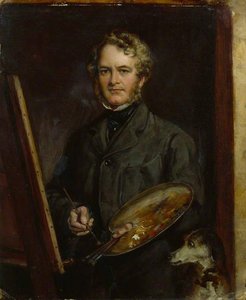
Portret van Francis Grant

De 100 beroemdste schilderijen van Francis Grant, elk uniek

Bijgewerkt in november 2026 · gerangschikt op basis van onze populariteitsscore (zoekopdrachten, bezoeken en bestellingen per kunstwerk) · 269 werken van Francis Grant in onze catalogus

Kortom

Lieutenant General Sir George Pollock (1856) is het schilderij van Francis Grant dat de meeste aandacht trekt; het origineel bevindt zich in het British Library, Londen. Daarna gaat de blik naar Henry Edward Colville, Viscount Colville of Culross (1870) en John Hume Egerton, Viscount Alford (1851). Van de 269 werken van Francis Grant in onze catalogus zijn dit de 100 bekendste, elk een uniek origineel gepresenteerd met het jaar, het museum en de reden waarom het blijft voortbestaan.

1803 – 1878, Perth and Kinross Academic realism Meeste werken: Royal Collection

Top 10 schilderijen van Francis Grant, door de ogen van de galerie

1
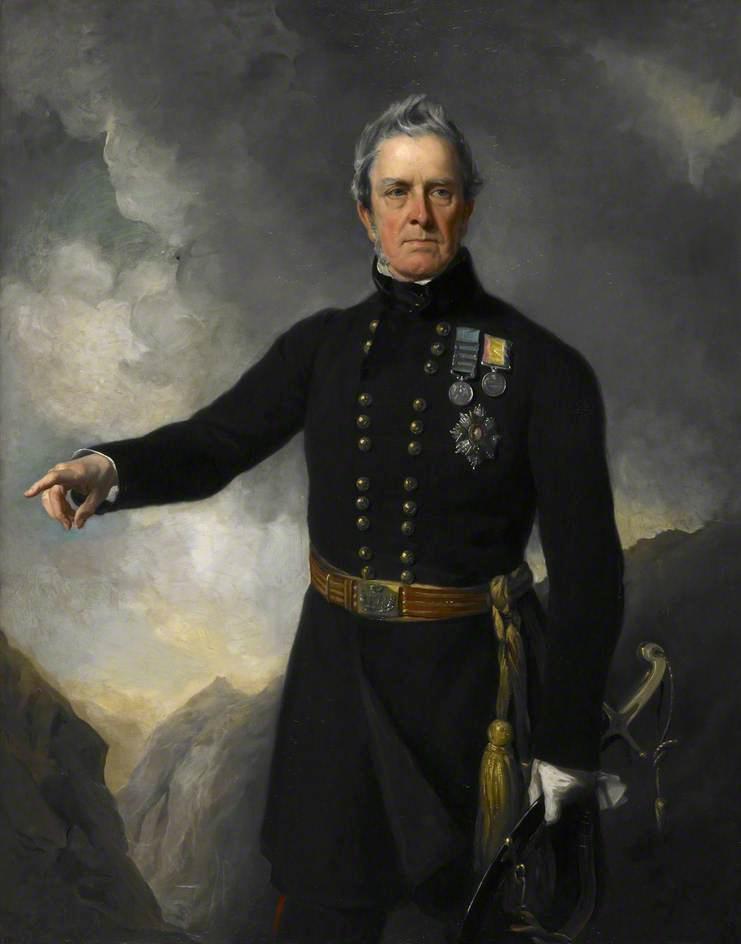
Lieutenant General Sir George Pollock (1856) door Francis Grant

Lieutenant General Sir George Pollock

1856 · Oil On Canvas · British Library, Londen

In this 1856 portrait, we find ourselves in the presence of Lieutenant General Sir George Pollock, captured at the height of his military career. The subject is presented in a traditional three-quarter pose, his body angled slightly away while his gaze remains fixed and resolute. There is a quiet gravity to his posture, a sense of a man accustomed to the weight of responsibility. He is set against a landscape…

2
Henry Edward Colville, Viscount Colville of Culross (1870) door Francis Grant

Henry Edward Colville, Viscount Colville of Culross

1870

This captivating portrait by Sir Francis Grant, painted in 1870, offers a fascinating window into the life and status of Henry Edward Colville, Viscount Colville of Culross. More than just a likeness, it's a carefully constructed image reflecting Victorian ideals of nobility, leisure, and societal standing. The artwork provides an intimate yet formal depiction of a prominent figure within British high society, inviting viewers to contemplate the nuances of his…

3
John Hume Egerton, Viscount Alford (1851) door Francis Grant

John Hume Egerton, Viscount Alford

1851 · Oil On Canvas · Belton House, Grantham

The air feels still around John Hume Egerton, Viscount Alford, as he stands amidst the quietude of the English countryside. He is captured in a moment of poised composure, his gaze meeting the viewer with a steady, quiet confidence. Beside him, a massive oak tree rises, its textured bark and sprawling branches anchoring the scene. The tree reaches upward, its organic curves providing a soft contrast to the straight, dignified…

4
John Hume Egerton door Francis Grant

John Hume Egerton

Oil On Canvas

This oil on canvas portrait depicts John Hume Egerton, Viscount Alford. The subject is rendered by the artist Francis Grant. The work is dated about 1851. The painting captures the likeness of the man who served as an English Tory Member of Parliament and a landowner.

5
Jew Rabbi (1824) door Francis Grant

Jew Rabbi

1824 · Oil On Canvas

In this intimate portrait, titled Jew Rabbi, Francis Grant turns his attention toward a singular, dignified figure. Painted about 1824, the work presents an elderly Jewish Rabbi, capturing a moment of quietude and profound presence. Grant, who would later become a central figure in the British art establishment, demonstrates an early ability to handle the nuances of character through a focused, somber lens.

6
Queen Victoria with Victoria, Princess Royal, and Albert Edward, Prince of Wales (1842) door Francis Grant

Queen Victoria with Victoria, Princess Royal, and Albert Edward, Prince of Wales

1842 · Oil On Canvas · Royal Collection, Londen

In Francis Grant's Queen Victoria with Victoria, Princess Royal, and Albert Edward, Prince of Wales, a sense of quiet domesticity meets royal dignity within a vertical group portrait. The Queen sits at the heart of the scene, her presence anchoring the arrangement. She holds the young Princess Royal upon her lap, while the Prince of Wales stands close by her side. This arrangement creates a tight, intimate triangle of family…

7
Victoria, Princess Royal (1840-1901) and Albert Edward, Prince of Wales (1841-1910) (1842) door Francis Grant

Victoria, Princess Royal (1840-1901) and Albert Edward, Prince of Wales (1841-1910)

1842 · Oil On Canvas · Royal Collection, Londen

In this intimate oil portrait from 1842, we find ourselves invited into a private, quiet corner of the British monarchy. The scene depicts two young children, Victoria, Princess Royal, and her brother, Albert Edward, Prince of Wales, engaged in a moment of innocent play. There is a profound sense of domestic tranquility here, a departure from the formal, stiff portraiture often associated with the era. Instead, the composition centers on…

8
Queen Victoria (1819-1901) on Horseback (1845) door Francis Grant

Queen Victoria (1819-1901) on Horseback

1845 · Oil On Canvas · Royal Collection, Londen

A young Queen Victoria sits with poised dignity atop a powerful chestnut horse, her figure positioned slightly left of center to create a sense of forward momentum. The composition is dominated by the equestrian subject, framed by the textured bark of a large tree to the left and a receding line of cavalry soldiers in the background. Under a cloudy, atmospheric sky, the scene captures a moment of ceremonial stillness.…

9
Prince Albert (1819-61) (1845) door Francis Grant

Prince Albert (1819-61)

1845 · Oil On Canvas · Royal Collection, Londen

The portrait titled Prince Albert (1819-61) captures a singular moment of presence. Created by Francis Grant in 1845, the work focuses on the figure of Prince Albert. The subject is rendered with a quiet, steady weight that anchors the composition. It is a study of a man defined by his station and the stillness of his gaze.

10
Henry Byng (1831-1899), later 4th Earl of Strafford (1840) door Francis Grant

Henry Byng (1831-1899), later 4th Earl of Strafford

1840 · Oil On Canvas · Royal Collection, Londen

A young boy stands poised in a quiet, dignified stance, his presence filling the vertical space with an air of quiet expectation. He is dressed in ceremonial military-style attire, the deep red of his jacket providing a sharp, singular pulse of color against a backdrop of muted, earthy tones. His white trousers and the gold detailing on his uniform catch the light, which spills softly from the upper left to…

De beroemde schilderijen van Francis Grant, nummer 11 tot 100

11Henry Dover (1847) door Francis GrantHenry Dover1847 12George Hudson Esq., Lord Mayor of the City of York (1847) door Francis GrantGeorge Hudson Esq., Lord Mayor of the City of York1847 13HM Queen Victoria (1846) door Francis GrantHM Queen Victoria1846 14Mrs Livesay (1851) door Francis GrantMrs Livesay1851 · Bristol Museum And Art Gallery 15Frances Anne Emily (nee Vane-Tempest), Marchioness of Londonderry (1800-1865) (1853) door Francis GrantFrances Anne Emily (nee Vane-Tempest), Marchioness of Londonderry (1800-1865)1853 · Mount Stewart 16Portrait of Lady Alice Peel (1850) door Francis GrantPortrait of Lady Alice Peel1850 17John Naylor (1857) door Francis GrantJohn Naylor1857 18Georgiana Naylor (1857) door Francis GrantGeorgiana Naylor1857 19James John Farquharson (1858) door Francis GrantJames John Farquharson1858 20John Campbell (1861) door Francis GrantJohn Campbell1861 21Lady Mary Watkin (1870) door Francis GrantLady Mary Watkin1870 22John James Hope Johnstone of Annandale (1871) door Francis GrantJohn James Hope Johnstone of Annandale1871 23James Burchell (1866) door Francis GrantJames Burchell1866 24Portrait of Edward Nugent Leeson, 6th Earl of Milltown (1835-1890) (1875) door Francis GrantPortrait of Edward Nugent Leeson, 6th Earl of Milltown (1835-1890)1875 · National Gallery of Ireland 25The 4th Earl Of Sefton As A Young Man door Francis GrantThe 4th Earl Of Sefton As A Young Man 26Edward George Geoffrey Smith Stanley door Francis GrantEdward George Geoffrey Smith Stanley 27Algernon Percy, 4th Duke Of Northumberland door Francis GrantAlgernon Percy, 4th Duke Of Northumberland 28Lord Wilton of the Leicestershire Hunt door Francis GrantLord Wilton of the Leicestershire HuntManchester Art Gallery 29Hugo Francis Meynell Ingram (1865) door Francis GrantHugo Francis Meynell Ingram1865 · Leeds Art Gallery 30John William Spencer Brownlow Egerton Cust (1863) door Francis GrantJohn William Spencer Brownlow Egerton Cust1863 · Belton House 31Lady Marian Margaret Compton, Viscountess Alford (1841) door Francis GrantLady Marian Margaret Compton, Viscountess Alford1841 · Belton House 32Frederick William Hervey, First Marquis of Bristol (1839) door Francis GrantFrederick William Hervey, First Marquis of Bristol1839 33Lady Katherine Isabella Manners, Countess Jermyn (1839) door Francis GrantLady Katherine Isabella Manners, Countess Jermyn1839 34Frederick William Hervey, 1st Marquess of Bristol (1845) door Francis GrantFrederick William Hervey, 1st Marquess of Bristol1845 · Ickworth 35The Four Sons of Baron Nathan Mayer de Rothschild Following Hounds (also known as Full Cry) (1841) door Francis GrantThe Four Sons of Baron Nathan Mayer de Rothschild Following Hounds (also known as Full Cry)1841 · Ascott House 36Edward (Clive) Herbert, 2nd Earl of Powis of the Third Creation (1845) door Francis GrantEdward (Clive) Herbert, 2nd Earl of Powis of the Third Creation1845 · Powys Castle Museum 37James Thomas Brudenell, 7th Earl of Cardigan (1841) door Francis GrantJames Thomas Brudenell, 7th Earl of Cardigan1841 · National Portrait Gallery 38John Gibson Lockhart (1850) door Francis GrantJohn Gibson Lockhart1850 39John Russell, 1st Earl Russell (1853) door Francis GrantJohn Russell, 1st Earl Russell1853 40Katherine Boulton (1850) door Francis GrantKatherine Boulton1850 · Birmingham Museums And Art Gallery 41Edwin Landseer (1852) door Francis GrantEdwin Landseer1852 42Marchioness of Bristol (1850) door Francis GrantMarchioness of Bristol1850 43Mary Isabella Grant Knitting a Shawl (1855) door Francis GrantMary Isabella Grant Knitting a Shawl1855 · Government Art Collection 44Margaret Stuart Tyndall Bruce of Falkland (1863) door Francis GrantMargaret Stuart Tyndall Bruce of Falkland1863 · University of Edinburgh Fine Art Collection 45John Hick, Esq., Member of Parliament for Bolton (1861) door Francis GrantJohn Hick, Esq., Member of Parliament for Bolton1861 · Bolton Museum And Art Gallery 46Francis Molison of Errol Park (1861) door Francis GrantFrancis Molison of Errol Park1861 · Dundee Art Gallery And Museum 47Louisa Anne, née Stuart, Marchioness of Waterford (1860) door Francis GrantLouisa Anne, née Stuart, Marchioness of Waterford1860 48John Henry Gurney (1861) door Francis GrantJohn Henry Gurney1861 · Norfolk Museums 49Mrs Margaret Hick (1861) door Francis GrantMrs Margaret Hick1861 · Bolton Museum And Art Gallery 50George Charles Bingham, 3rd Earl Of Lucan door Francis GrantGeorge Charles Bingham, 3rd Earl Of LucanNational Portrait Gallery 51Henry Temple, 3rd Viscount Palmerston door Francis GrantHenry Temple, 3rd Viscount Palmerston 52John Campbell, 1st Baron Campbell Of St Andrews door Francis GrantJohn Campbell, 1st Baron Campbell Of St AndrewsNational Portrait Gallery 53Admiral Lord Charles Scott as a Boy door Francis GrantAdmiral Lord Charles Scott as a Boy 54Thomas Brassey, 1st Earl Brassey door Francis GrantThomas Brassey, 1st Earl Brassey 55Portrait Of Sir William Milner Bt door Francis GrantPortrait Of Sir William Milner Bt 56Portrait Of Emily Jane, Viscountess Hardinge door Francis GrantPortrait Of Emily Jane, Viscountess Hardinge 57Alexander Nasmyth door Francis GrantAlexander Nasmyth 58Portrait Of A Gentleman, Possibly A Member Of The Fortescue Family door Francis GrantPortrait Of A Gentleman, Possibly A Member Of The Fortescue Family 59The Prince of Wales with Lieutenant Colonel door Francis GrantThe Prince of Wales with Lieutenant Colonel 60Portrait Of A Gentleman - door Francis GrantPortrait Of A Gentleman - 61Portrait of Sir Walter Scott door Francis GrantPortrait of Sir Walter Scott 62Lord Wilton Of The Leicestershire Hunt door Francis GrantLord Wilton Of The Leicestershire Hunt 63Robert Pulsford - door Francis GrantRobert Pulsford - 64Charles Dalrymple Fergusson, Bt door Francis GrantCharles Dalrymple Fergusson, BtNew York Historical Society 65Edward Rigby door Francis GrantEdward Rigby 66Sir edward watkin door Francis GrantSir edward watkin 67Portrait Of The Hon. Henry Charles Hardinge door Francis GrantPortrait Of The Hon. Henry Charles Hardinge 68Alexander Randall, Founder Of The Kentish Bank door Francis GrantAlexander Randall, Founder Of The Kentish Bank 69Portrait of a Man Out Shooting with his Dog door Francis GrantPortrait of a Man Out Shooting with his Dog 70Portrait Of Charlotte Sofia door Francis GrantPortrait Of Charlotte Sofia 71William Long door Francis GrantWilliam Long 72The Right Honourable Sir Frederick Pollock door Francis GrantThe Right Honourable Sir Frederick Pollock 73James Bruce, 8th Earl of Elgin and 12th Earl of Kincardine, Governor General of India door Francis GrantJames Bruce, 8th Earl of Elgin and 12th Earl of Kincardine, Governor General of India 74Portrait Of A Gentleman door Francis GrantPortrait Of A Gentleman 75Sir james hope grant door Francis GrantSir james hope grant 76Sir walter scott door Francis GrantSir walter scott 77Edward Knight II door Francis GrantEdward Knight II 78Sir George Cornewall Lewis, Bt, MP door Francis GrantSir George Cornewall Lewis, Bt, MP 79Portrait of a gentleman, half-length, in a black jacket and white waistcoat door Francis GrantPortrait of a gentleman, half-length, in a black jacket and white waistcoat 80The Honourable Elizabeth Albana Upton door Francis GrantThe Honourable Elizabeth Albana UptonIckworth 81Lady Lucy Graham, Countess of Powis door Francis GrantLady Lucy Graham, Countess of Powis 82Andrew Orr Of Harvieston And Castle Campbell, Lord Provost Of Glasgow door Francis GrantAndrew Orr Of Harvieston And Castle Campbell, Lord Provost Of Glasgow 83HRH Prince Albert door Francis GrantHRH Prince Albert 84Lady Susan Hamilton, Daughter of Alexander, 10th Duke of Hamilton door Francis GrantLady Susan Hamilton, Daughter of Alexander, 10th Duke of Hamilton 85George Hay, 8th Marquess of Tweeddale, Agriculturist door Francis GrantGeorge Hay, 8th Marquess of Tweeddale, AgriculturistScottish National Portrait Gallery 86Edward Geoffrey Smith Stanley door Francis GrantEdward Geoffrey Smith StanleyHughenden Manor 87George Osbaldeston door Francis GrantGeorge Osbaldeston 88Emily Charlotte Meynell Ingram (1867) door Francis GrantEmily Charlotte Meynell Ingram1867 · Leeds Art Gallery 89Portrait of John Naylor (1857) door Francis GrantPortrait of John Naylor1857 · Walker Art Gallery 90A Grey Horse Trotting Out Of A Wood door Francis GrantA Grey Horse Trotting Out Of A Wood 91Robert Pulsford door Francis GrantRobert Pulsford 92Richard Sutton And The Quorn Hounds door Francis GrantRichard Sutton And The Quorn Hounds 93Robert Pulsford - door Francis GrantRobert Pulsford - 94Joseph Warner Henley door Francis GrantJoseph Warner Henley 95Charles Manners, Marquis of Granby door Francis GrantCharles Manners, Marquis of Granby 96William Beckett door Francis GrantWilliam Beckett 97The Meeting Of Her Majesty's Stag Hounds door Francis GrantThe Meeting Of Her Majesty's Stag Hounds 98Meeting Of His Majesty's Staghounds On Ascot Heath door Francis GrantMeeting Of His Majesty's Staghounds On Ascot Heath 99Sergeant R. B. Armstrong, Qc, Mp door Francis GrantSergeant R. B. Armstrong, Qc, Mp 100The Perthshire Meet door Francis GrantThe Perthshire Meet

De onderwerpen die de aandacht van Francis Grant troffen

De vier onderwerpen die het meest voorkomen in deze originelen, elk met zijn mooiste voorbeeld.

De musea waar de originele werken van Francis Grant worden bewaard

De 8 musea met de meeste schilderijen op deze pagina.

Museum Stad Werken van Francis Grant Schilderijen uit deze lijst
Royal Collection, LondenRoyal Collection Londen 6 Queen Victoria with Victoria, Princess Royal, and Albert Edward, Prince of Wales, Victoria, Princess Royal (1840-1901) and Albert Edward, Prince of Wales (1841-1910), Queen Victoria (1819-1901) on Horseback
National Portrait Gallery, LondenNational Portrait Gallery Londen 13 James Thomas Brudenell, 7th Earl of Cardigan, George Charles Bingham, 3rd Earl Of Lucan, John Campbell, 1st Baron Campbell Of St Andrews
Belton House, GranthamBelton House Grantham 4 John Hume Egerton, Viscount Alford, John William Spencer Brownlow Egerton Cust, Lady Marian Margaret Compton, Viscountess Alford
Ickworth, Suffolk CountyIckworth Suffolk County 3 Frederick William Hervey, 1st Marquess of Bristol, The Honourable Elizabeth Albana Upton
Leeds Art Gallery, LeedsLeeds Art Gallery Leeds 2 Hugo Francis Meynell Ingram, Emily Charlotte Meynell Ingram
Bolton Museum And Art Gallery, BoltonBolton Museum And Art Gallery Bolton 2 John Hick, Esq., Member of Parliament for Bolton, Mrs Margaret Hick
Scottish National Portrait Gallery, EdinburghScottish National Portrait Gallery Edinburgh 4 George Hay, 8th Marquess of Tweeddale, Agriculturist
Hughenden Manor, High WycombeHughenden Manor High Wycombe 2 Edward Geoffrey Smith Stanley

Francis Grant door de decennia heen: elk een uniek origineel

Werken per decennium

Kies een decennium om het origineel te zien dat dit tijdperk definieert.

Schilderijen van Francis Grant: vragen voor de galerie

Wat is het bekendste werk van Francis Grant?Onthul het antwoord

Lieutenant General Sir George Pollock (1856), British Library, Londen. Henry Edward Colville, Viscount Colville of Culross (1870) en John Hume Egerton, Viscount Alford (1851) volgen.

Op welke leeftijd creëerde Francis Grant Lieutenant General Sir George Pollock?Onthul het antwoord

53 jaar oud: Lieutenant General Sir George Pollock dateert uit 1856, en Francis Grant werd geboren in 1803.

Welke tien schilderijen van Francis Grant zijn het meest bekend?Onthul het antwoord

Lieutenant General Sir George Pollock, Henry Edward Colville, Viscount Colville of Culross, John Hume Egerton, Viscount Alford, John Hume Egerton, Jew Rabbi, Queen Victoria with Victoria, Princess Royal, and Albert Edward, Prince of Wales, Victoria, Princess Royal (1840-1901) and Albert Edward, Prince of Wales (1841-1910), Queen Victoria (1819-1901) on Horseback, Prince Albert (1819-61) en Henry Byng (1831-1899), later 4th Earl of Strafford. De bovenstaande ranglijst vermeldt het jaar en het museum van elk werk.

Hoeveel werken van Francis Grant zijn er bekend?Onthul het antwoord

Onze catalogus bevat 269 werken van Francis Grant, daterend van 1824 tot 1875.

Waar kunnen de beroemdste originelen van Francis Grant worden bekeken?Onthul het antwoord

Voornamelijk in Royal Collection (Londen), National Portrait Gallery (Londen) en Belton House (Grantham). De bovenstaande museumtabel bevat een volledig overzicht.

In welke periode creëerde Francis Grant de bekendste schilderijen?Onthul het antwoord

In 1850s: 15 van de 100 werken op deze pagina werden toen gemaakt, waaronder Lieutenant General Sir George Pollock.

Welk beroemd schilderij van Francis Grant is de vroegste, en welke de laatste?Onthul het antwoord

Op deze pagina is het vroegste Jew Rabbi (1824) en het laatste Portrait of Edward Nugent Leeson, 6th Earl of Milltown (1835-1890) (1875).

Welke onderwerpen had Francis Grant de voorkeur?Onthul het antwoord

Portrait (19), Victorian era (18) en Man (14), verspreid over de 100 werken op deze pagina.

Met welke materialen schilderde Francis Grant het meest?Onthul het antwoord

Oil On Canvas, voor 30 van de 100 werken op deze pagina.

Bij welke stroming behoort het werk van Francis Grant?Onthul het antwoord

Academic realism, te oordelen aan de originelen op deze pagina.

Welke originele werken van Francis Grant kan ik zien in het Royal Collection?Onthul het antwoord

Queen Victoria with Victoria, Princess Royal, and Albert Edward, Prince of Wales, Victoria, Princess Royal (1840-1901) and Albert Edward, Prince of Wales (1841-1910) en Queen Victoria (1819-1901) on Horseback: het Royal Collection, Londen herbergt 5 van de werken op deze pagina.

Francis Grant: een portret van de kunstenaar

Sir Francis Grant (1803 - 1878): Een Pionier van het Portret en Voorzitter van de Koninklijke Academie

Sir Francis Grant, een naam die synoniem staat voor verfijnd portretschilderen en toegewijd dienst aan de Britse kunstinstituut, kwam op als een van de meest gevraagde kunstenaars van zijn tijd. Geboren in 1803 in Perthshire, Schotland, begon young Francis met een leven dat aanvankelijk bestemd was voor een carrière in het recht. Maar de aantrekkingskracht van artistieke expressie bleek te sterk om te weerstaan. Hoewel grotendeels zelfstandig, studeerde hij kort onder Alexander Nasmyth in Edinburgh, waardoor hij een vroeg fundament legde voordat hij zijn eigen onderscheidende pad volgde. Dit pad was niet meteen duidelijk; Grant's eerste successen kwamen met sportscènes, waarbij hij de energie en levenslust van het platteland vastleg. Een belangrijke gebeurtenis kwam voorbij door zijn huwelijk, waardoor hij toegang kreeg tot de exclusieve wereld van Melton Mowbray’s jachtgezelschap. Daar perfectioneerde hij zijn vaardigheden onder John Ferneley, een meester van paardenkunst, en begon hij zich te specialiseren in afbeeldingen van paarden en hounds – onderwerpen die aanvankelijk zijn reputatie zouden definiëren.

Sportscènes en Aristocratische Likenesses

Grant's kunstelijke ontwikkeling was niet alleen een verschuiving in onderwerp materiaal; het was een verfijning van stijl. Zijn vroeg werk met sportscènes, zoals de beroemde *Melton Breakfast* (1834), toonden een oog voor detail en compositie die snel aandacht verworven. Maar het was zijn groeiende talent voor portretschilderen dat werkelijk hem naar boven bracht tot prominente staat. Hij bezat een opmerkelijke bekwaamheid om niet alleen fysieke gelijkheid maar ook karakter en sociale status van zijn sitters vast te leggen. Deze vaardigheid bleek bijzonder waardevol in een tijd waarin het obsessief was met status en beeldvorming. Commissies stroomden binnen uit de Britse aristocratie en politiek elite, inclusief de ultieme accolade: portretten van Koningin Victoria zelf. Zijn portret van Lady Glenlyon (1842) betekende een keerpunt, waardoor zijn positie onder de leidende portretschilders van die dag werd bevestigd. Grant’s stijl mengde neoclassieke elegantie met een vleugje romantiek, gekenmerkt door dramatische verlichting en rijke detail – temperend de zwierige bewegingen van kunstenaars zoals Thomas Lawrence met een duidelijk victoriaanse soberheid. Hij excelleerde in paardenportretten, waarbij hij zowel het grandeur van zijn onderwerpen als hun nobele paarden zorgvuldig vastlegde, zoals blijkt uit zijn werk voor Christ’s Hospital dat Koningin Victoria en Prins Albert weergeeft. Een prachtige afbeelding die een belangrijke bijdrage leverde aan zijn groeiende reputatie.

Een Pionier van het Portret en Voorzitter van de Koninklijke Academie

Grant's stijl bleef trouw aan deze principes gedurende zijn hele carrière, waarbij hij een combinatie gebruikte van klassieke technische vaardigheden met een gevoel voor emotionele expressie. Zijn aandacht voor licht en kleur, zoals blijkt uit zijn werken voor het Victoriaanse publiek, onderscheidt hem van veel andere kunstenaars van zijn tijd. Hij werd een bekende naam onder de kunstliefhebbers van Londen en het buitenland. Een belangrijke gebeurtenis in zijn leven was zijn benoeming tot voorzitter van de Koninklijke Academie in 1866, na het overlijden van Charles Eastlake. Deze prestigieuze functie erkende niet alleen zijn artistieke prestaties maar ook zijn gerespecteerde positie binnen de kunstwereld. Hij stond aan het hoofd van het instituut met waardigheid en zorgvuldigheid en hij initieerde een baanbrekende praktijk: het organiseren van grote leningtentoonstellingen. Deze ambitieuze tentoonstellingen breidden de Academie’s reikwijdte en invloed uit, waardoor kunstwerken uit heel Europa werden gepresenteerd en een bredere publieke betrokkenheid werd aangemoedigd. Hij was niet alleen een kunstenaar; hij was ook een belangrijke figuur in het Britse culturele leven. Zijn werk heeft een blijvende impact gehad op de ontwikkeling van de Koninklijke Academie en heeft bijgedragen aan het vormgeven van de kunstgeschiedenis van zijn tijd.

Een Schitterend Erfgoed

Grant’s stijl werd gekenmerkt door een combinatie van klassieke technische vaardigheden met een gevoel voor emotionele expressie, zoals blijkt uit zijn werken voor het Victoriaanse publiek, waardoor hij zich onderscheidt van veel andere kunstenaars van zijn tijd. Hij was een meester in het vastleggen van licht en kleur, wat essentieel bleek bij het creëren van prachtige afbeeldingen die de aandacht trokken en emoties oproepen. Zijn werk werd geprezen voor zowel zijn technische precisie als zijn artistieke gevoeligheid. Een voorbeeld hiervan is zijn portret van Lady Glenlyon (1842), dat een belangrijke bijdrage leverde aan zijn reputatie als een leidende kunstenaar van zijn tijd en een prachtige illustratie vormt van zijn stijl. Zijn werk wordt nog steeds tentoongesteld in musea en galerijen wereldwijd, waardoor zijn artistieke visie voortdurend aanspoort tot inspiratie voor toekomstige generaties. Een schitterend erfgoed dat de kunstgeschiedenis van het Victoriaanse tijdperk zal blijven herinneren. Zijn stijl bleef trouw aan deze principes gedurende zijn hele carrière, waarbij hij een combinatie gebruikte van klassieke technische vaardigheden met een gevoel voor emotionele expressie. Hij was een meester in het vastleggen van licht en kleur, wat essentieel bleek bij het creëren van prachtige afbeeldingen die de aandacht trokken en emoties oproepen. Zijn werk werd geprezen voor zowel zijn technische precisie als zijn artistieke gevoeligheid. Een voorbeeld hiervan is zijn portret van Lady Glenlyon (1842), dat een belangrijke bijdrage leverde aan zijn reputatie als een leidende kunstenaar van zijn tijd en een prachtige illustratie vormt van zijn stijl. Zijn werk wordt nog steeds tentoongesteld in musea en galerijen wereldwijd, waardoor zijn artistieke visie voortdurend aanspoort tot inspiratie voor toekomstige generaties.