Algernon Mayow Talmage: een portret van de kunstenaar
A Life Bathed in Light: The Story of Algernon Talmage
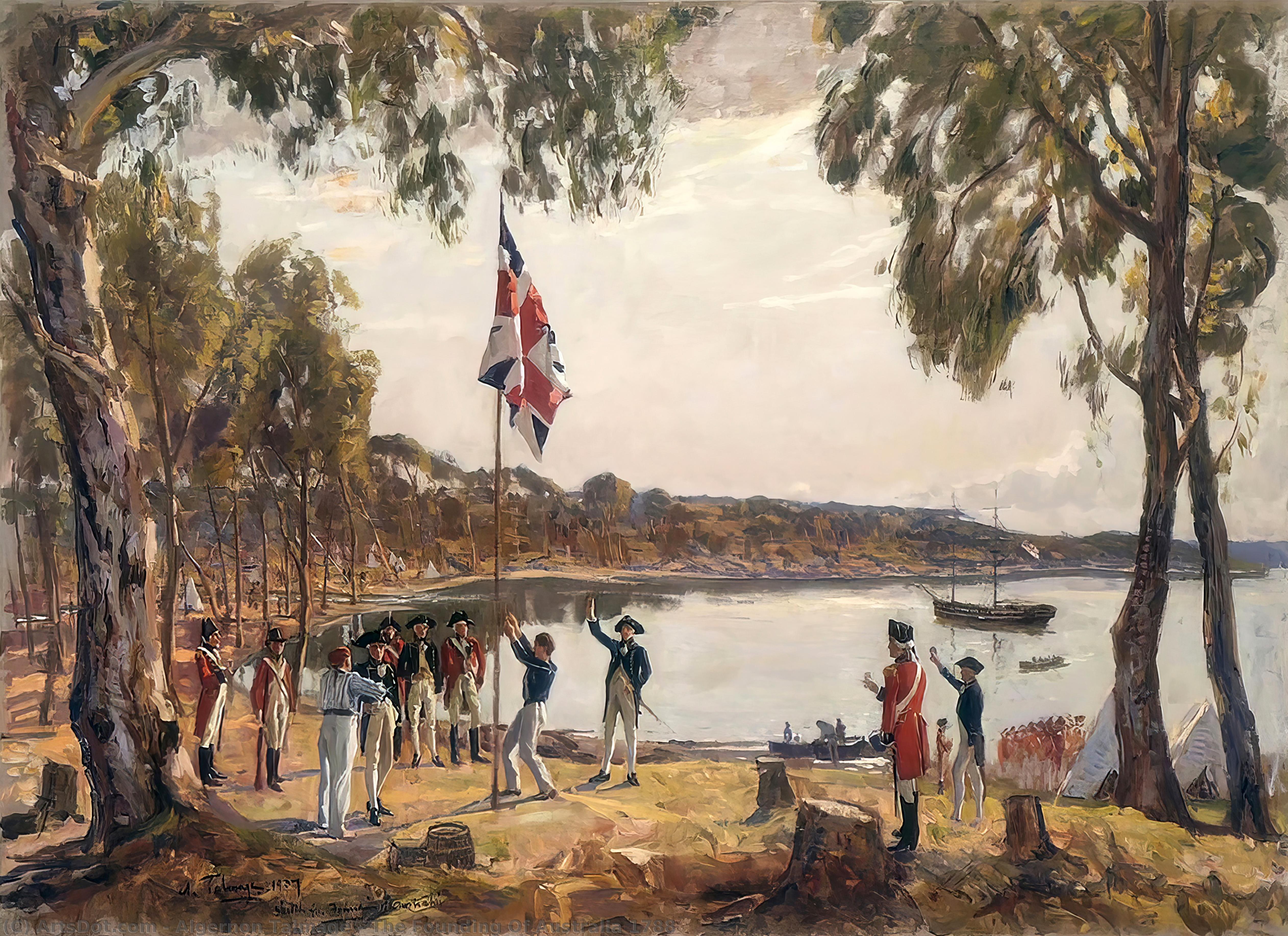
Algernon Mayow Talmage (1871–1939) stands as a quietly influential figure within the British Impressionist movement, an artist whose dedication to capturing the ethereal beauty of Cornish landscapes and animals cemented his place in art history. Born in Oxfordshire in 1871, his life’s trajectory was shaped by both artistic ambition and unforeseen adversity – namely, a childhood accident that irrevocably altered his physical capabilities but ultimately fueled his unwavering commitment to mastering painting with his left hand. This formative experience instilled within him an acute sensitivity to light and shadow—qualities that would become central to his distinctive visual language.
Early Influences and Artistic Training
Talmage’s artistic journey began under the tutelage of Hubert von Herkomer at Bushey Art School, where he honed foundational skills in naturalistic technique. The school's emphasis on direct observation and meticulous detail—skills that prioritized capturing reality with precision—provided him with a bedrock upon which to build his evolving style. Recognizing the importance of grounding oneself in traditional methods, Talmage embraced Herkomer’s teachings wholeheartedly, preparing him for the challenges and rewards of pursuing Impressionism. This early training instilled in him not only technical proficiency but also a profound appreciation for the art of observation—a cornerstone of Impressionist practice.
The Cornish Embrace: Finding Inspiration in Coastal Landscapes
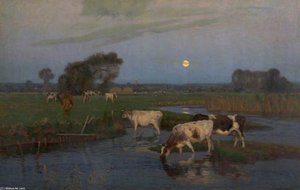
A pivotal moment arrived when Talmage relocated to St Ives, Cornwall, a region that instantly captivated him with its dramatic coastline, ever-shifting light conditions, and raw natural splendor. Recognizing the transformative potential of artistic collaboration, he joined forces with fellow artists Julius Olsson and Adrian Stokes to establish an Artists’ Club—a space where techniques were exchanged freely and artistic ideas flourished. It was here that Talmage truly blossomed as an Impressionist painter, immersing himself in the Cornish environment and allowing its beauty to infuse his canvases. His paintings from this period predominantly depict rural scenes featuring horses—subjects he approached with remarkable tenderness and attention to detail—and coastal vistas rendered with a breathtaking sensitivity to light’s fleeting effects. He wasn't merely depicting what he *saw*; he was conveying the feeling of being enveloped by the sublime grandeur of the Cornish landscape.
Style and Technique: Capturing Atmosphere Through Color
Talmage’s artistic style distinguished itself through its delicate interplay of color and atmosphere—a hallmark of Impressionism that sought to transcend mere representation and evoke emotional resonance. Like many Impressionists, he eschewed rigid outlines and meticulous shading in favor of capturing the diffused glow of sunlight on surfaces—a technique that prioritized conveying mood and sensation over photographic accuracy. His palette was muted yet luminous, favoring earthy tones blended seamlessly together to create a harmonious visual experience. He skillfully employed broken brushstrokes—small, irregular marks of pigment applied side by side—to build up layers of color and texture, simulating the way light scatters through air and illuminates objects. This approach reflected his belief that art should strive to capture not just what is visible but also what is felt—a philosophy deeply rooted in Impressionist principles.
Legacy and Recognition: A Mentor’s Influence
Talmage's influence extended beyond his own artistic output, notably through his role as a mentor to Emily Carr, the celebrated Canadian artist. Recognizing Carr’s talent and potential, he encouraged her to embrace color and light with boldness—a simple yet profound insight that profoundly shaped Carr’s distinctive style and ultimately became central to her iconic forest paintings. Talmage's dedication to fostering artistic growth exemplifies the spirit of Impressionist collaboration and underscores his enduring contribution to British art history. His work is now housed in prominent museums across Europe and North America, including the Tate Gallery in London and the Art Gallery of South Australia, ensuring that his vision continues to inspire future generations of artists. He passed away peacefully in 1939, leaving behind a legacy of understated beauty and unwavering artistic conviction—a testament to a life devoted to observing, interpreting, and sharing the splendor of the natural world.