The Emotional Foundation: Sketching as the Genesis of Artistic Vision
The birth of any truly compelling artwork, whether a meticulously faithful reproduction or a wholly original commission, begins not with brushstroke or digital rendering, but with an initial spark—the emotional concept. This intangible seed requires cultivation, and for centuries, artists have turned to sketching as the primary conduit for translating feeling and intention onto canvas. These aren’t merely preliminary drawings relegated to studio archives; they are visual explorations of mood, character, and the very essence of a nascent idea. Consider the preparatory studies by Renaissance masters—not simply anatomical exercises in charcoal or chalk, but profound investigations into the psychological state of their subjects. The act of sketching allows for a rapid iteration of possibilities, a freedom to experiment with composition, light, and shadow without the commitment of finality. For commissioned pieces, these sketches transcend mere planning; they become vital communication tools between artist and client, ensuring alignment on the desired emotional tone before embarking on the more definitive stages of creation.
A portrait commission, for instance, isn’t solely about achieving physical likeness—it's a quest to capture personality, spirit, and perhaps even a fleeting moment in time. Artists employ diverse techniques – loose gestural drawings to convey energy and movement, detailed studies to refine form and proportion, or color explorations to establish atmosphere and evoke specific feelings. The choice of medium itself contributes significantly: charcoal for depth and drama, watercolor for subtlety and fluidity, or the precision and versatility afforded by digital sketching tools. Paul Klee’s Meeting Place exemplifies this beautifully—seemingly simple forms are imbued with a profound sense of connection and contemplation, likely born from initial sketches exploring spatial relationships and color harmonies. The ability to distill complex emotions into visual shorthand is a hallmark of a skilled artist, and these early explorations serve as the bedrock for a successful artwork.
Aura & Authenticity: Reclaiming Presence in Art Reproduction
The captivating presence of an original artwork—its unique history, the very touch of the master’s hand—is often what enthralls collectors. However, Walter Benjamin’s influential essay, *The Work of Art in the Age of Mechanical Reproduction*, posited that the inherent reproducibility of art diminishes its ‘aura,’ its sense of singularity and ritualistic value. While digital printing offers unprecedented accessibility, it frequently lacks the tactile quality and emotional depth found in a hand-painted reproduction. Contemporary artists commissioned to create reproductions understand this challenge intimately and employ techniques designed to recapture that elusive essence.
This involves meticulous attention to brushstroke replication—not simply copying the *appearance* of strokes but understanding their direction, pressure, and texture. Layering paint to achieve luminosity and depth is paramount, as is careful selection of materials: high-quality canvas with a suitable weave, archival inks that resist fading, and traditional pigments that echo the palettes of the old masters. The goal isn’t merely duplication; it's recreation—to evoke the *feeling* of the original work. Furthermore, bespoke commissions offer a unique opportunity to transcend the limitations of reproduction altogether. By collaborating directly with an artist, collectors can imbue a piece with deeply personal meaning and create a truly one-of-a-kind artwork. This process allows for customization beyond mere size or color—alterations to composition, subject matter, or style, resulting in a work that reflects individual taste and emotional resonance. The Sforza Triptych by Rogier van der Weyden, while an original masterpiece of the Early Netherlandish painting, demonstrates the power of intricate detail and symbolic richness—qualities that skilled reproduction artists strive to emulate with unwavering dedication.
The Language of Color: Evoking Emotion Through Palette and Technique
Color is arguably the most potent tool in an artist’s arsenal for evoking emotion, yet its impact extends far beyond simple associations. The connection between color and feeling is deeply ingrained in human psychology, but it's a relationship nuanced by cultural context and individual experience. Red often signifies passion or anger, blue evokes tranquility or sadness, and yellow represents joy or optimism—but these are generalizations. A skilled artist understands how to manipulate color palettes to create specific emotional effects.
A predominantly warm palette can convey energy and excitement, while a cool palette suggests calmness or melancholy. The strategic use of complementary colors – those opposite each other on the color wheel – creates visual tension and vibrancy, whereas analogous colors – those adjacent to each other – evoke harmony and serenity. Marc Chagall’s Lovers in Pink exemplifies this mastery; the soft pink hues create a dreamlike atmosphere, evoking feelings of tenderness and romance. Similarly, Paul Klee often employed vibrant color combinations to express complex emotions and spiritual themes. Beyond the individual colors themselves, the *way* they are applied is crucial. Loose brushstrokes can convey energy and spontaneity, while precise blending creates smoothness and refinement. Understanding these nuances allows artists to create artworks that resonate with specific emotional tones, subtly influencing the viewer’s perception.
Commissioned Collaboration: Bridging Vision and Execution
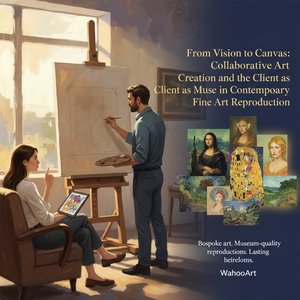
The process of commissioning an artwork is rarely a solitary endeavor; it's often a collaborative dialogue between artist and client. This partnership requires clear communication and a shared vision to achieve a truly successful outcome. The initial consultation is paramount—a time for discussing the client’s goals, preferences, and emotional intentions. Artists will often ask detailed questions about the subject matter, desired style, color palette, and overall mood.
Providing reference images, sketches, or examples of artworks that resonate with the client can be incredibly helpful in articulating their vision. Clear communication throughout the process is essential; artists should provide regular updates on their progress, including preliminary sketches, color studies, and photographs of the work in progress. This allows for feedback and adjustments, ensuring that the final artwork aligns perfectly with the client’s expectations. Establishing clear expectations regarding timelines, pricing, and revisions is also crucial—a well-defined contract protects both artist and client, outlining the scope of the project and any potential contingencies. The ability to articulate one’s emotional vision is key – describing not just *what* you want but *how* you want it to feel.
Infusing Personality: The Artist's Touch Beyond Technical Skill
Technical proficiency is undoubtedly essential for any artist, but it’s the ability to inject personality and emotional depth into their creations that truly elevates a work of art. This comes from a deep understanding of human psychology, empathy, and a willingness to express oneself authentically. Artists often draw upon personal experiences, memories, or observations to inform their work.
A portrait commission, for example, isn’t simply about replicating physical features; it's about capturing the subject’s essence—their spirit, personality, and inner life. This requires careful observation, sensitivity, and a willingness to connect with the subject on an emotional level. The use of symbolism can also add layers of meaning and depth to an artwork. A particular flower might represent love or loss, a specific landscape evoke feelings of nostalgia or tranquility. The artist’s choice of composition, light, and shadow further enhances the emotional impact. Rembrandt van Rijn was renowned for his ability to capture the inner lives of his subjects through subtle expressions and masterful use of chiaroscuro—a testament to the power of observation and empathy.
Digital Renaissance: Technology’s Role in Modern Art Creation & Appreciation
The digital age has revolutionized the art world, offering new tools and possibilities for both artists and collectors. Digital painting software, graphics tablets, and online platforms have democratized access to artistic resources and expanded the creative landscape. Artists can now experiment with a wider range of techniques, collaborate remotely, and reach a global audience.
However, technology isn’t simply about replacing traditional methods; it's about augmenting them. Many artists combine digital sketching with hand-painted techniques, leveraging the strengths of both mediums. Digital tools also allow for precise color matching, detailed editing, and seamless reproduction. Online platforms like OriginalUniqueArt.com provide collectors with access to a vast library of artworks, customized reproductions, and bespoke commission services. Virtual consultations, 3D renderings, and real-time progress updates enhance the client experience. The ability to share artwork instantly through social media expands its reach and fosters a global community of art enthusiasts. Ultimately, technology serves as a powerful enabler, allowing artists to connect with audiences in new and meaningful ways.