
 Bekijk op ware grootte
 Verstuur
 Delen
Delen
 Details bekijken

 Download
 Vergelijkbare werken
 Röntgenonderzoek
 Diavoorstelling
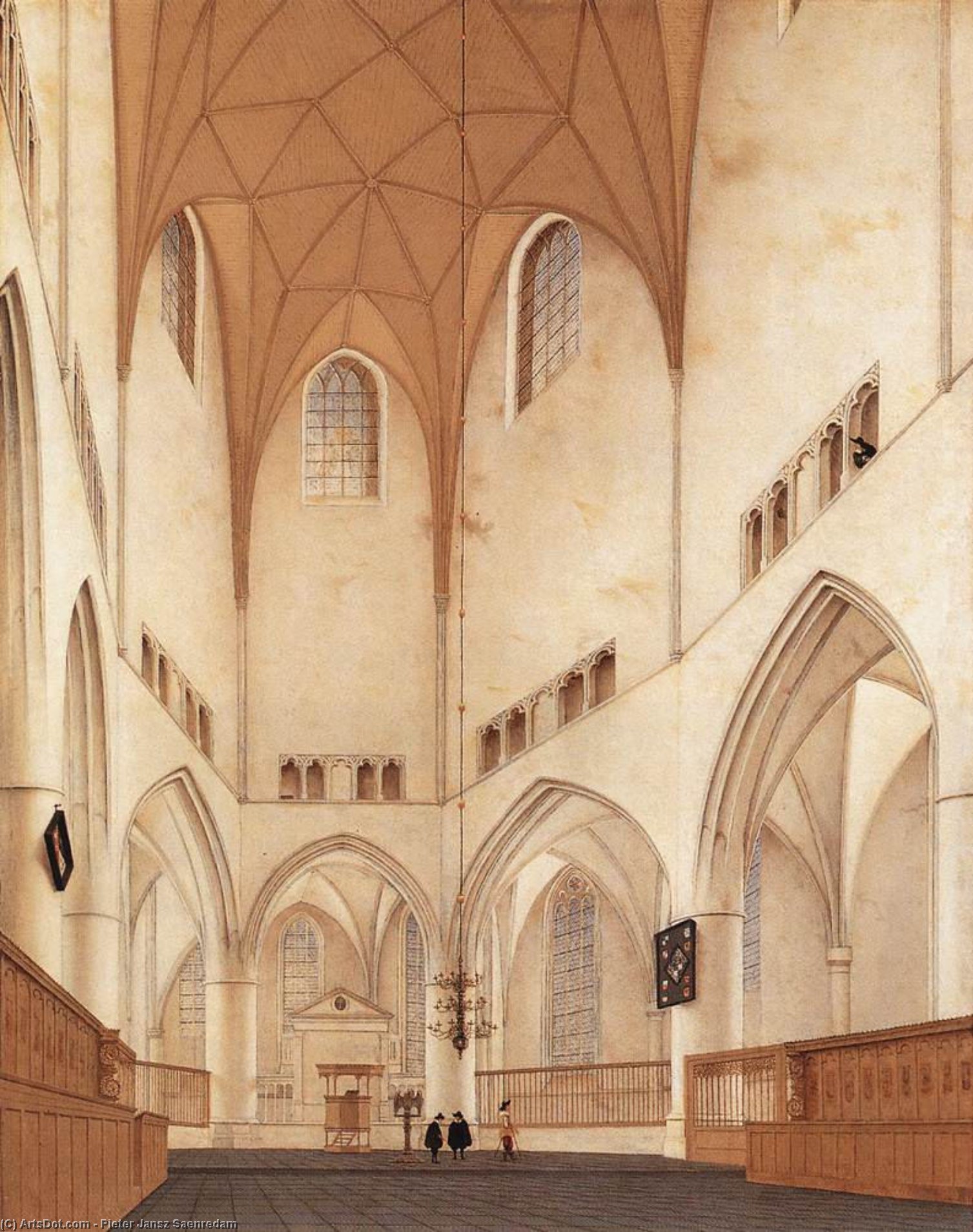
Interieur van het koor van Sint-Bavokerk te Haarlem


 Lees meer
Handgemaakte olieverfreproductie
Met de hand geschilderd in olieverf op canvas in uw gewenste maat en lijst, op bestelling gemaakt door onze kunstenaars. ( Bestel een print Naar afbeelding wisselen)




P118B $10

P118H $10

P118W $10

P438Z $10

P508JH $12

P508YH $12

P805H $10

P805Z $10

P919BZ $10

P919G $10

P919XJ $10

P959ZH $10

P968JZ $12

W106C $8

W218G $10

W218JH $8

W218Y $10

W307PJ $10

W316G $10

W316PJ $8

W316Y $10

W398PJ $8

W4111J $10

W500HY $15

W500JH $15

W692G $12

W849H $8

W940BG $15

W953PJ $8




Kies uit onze vooraf ingestelde maten die overeenkomen met de originele verhoudingen van het kunstwerk.

U kunt uw eigen afmetingen invoeren om in een specifieke lijst of ruimte te passen. Als de door u gekozen maat niet overeenkomt met de verhoudingen van het originele beeld, zullen we het kunstwerk bijsnijden of het schilderij uitbreiden met extra handgeschilderde elementen. Een digitale mockup wordt ter goedkeuring naar u verzonden voordat de productie begint.
Houd er rekening mee dat de preview op het scherm niet de werkelijke uitsnede of uitbreiding weergeeft. Alleen de mockup toont de uiteindelijke compositie nauwkeurig.
Hoewel aangepaste afmetingen mogelijk zijn, raden we aan een maat uit de vooraf gedefinieerde lijst te selecteren om de originele verhoudingen te behouden.
Na de bestelling zal het team van OriginalUniqueArt.com per e-mail contact opnemen met de klant voor instructies en een mockup-voorbeeld sturen.
Wereldwijde levering () binnen 3 tot 4 weken in plaats van de standaard 5 weken. (9 augustus). Zonder concessies aan de kwaliteit.

Gratis wereldwijde expressverzending

Hoogwaardig linnen canvas

Volledige verzendverzekering

Garantie op terugbetaling van invoerrechten

Garantie op exacte kleurweergave

60 dagen retourbeleid (alleen bij defecten)

100% Geld-terug-garantie

Korting bij meerdere afnames
 De optie voor glas is alleen beschikbaar bij een formaat kleiner dan 110 cm.

Interieur van het koor van Sint-Bavokerk te Haarlem
Medium reproductie
Formaat reproductie
-


Totaalprijs
$ 300
Beschrijving kunstwerk
Een Stille Pracht: De Architecturale Visioenen van Pieter Jansz. Saenredam
Pieter Jansz. Saenredam (1597 – 1665), geboren in het vredige Nederlandse dorp Assendelft, devoteerde zijn kunstenaarschap aan een unieke en diepzinnige zoektocht: het vastleggen van de serene grandeur van Nederlandse kerken. Hij had geen interesse in drukke genrebeelden of dramatische historische verhalen; eerder vond hij schoonheid en spirituele resonans binnen de koele, ruimtelijke interieurs van protestantse huizen van aanbidding. Deze toegewijdheid onderscheidde hem van vele van zijn tijdgenoten tijdens de Gouden Eeuw van Nederland, waardoor hij een bijzondere stem vestigde die zich richtte op architectonische precisie en een bijna meditatieve stilte.
Zijn vroegste artistieke reis begon rond 1612 met een leerlingschap bij Frans Pietersz de Grebber, een prominente Haarlemse portrettist. Deze fundamentele opleiding installeerde Saenredam essentiële vaardigheden in tekenkunst en techniek, waardoor hij de bouwstenen voor zijn latere meesterschap kreeg. Toch was het zijn vriendschap met Jacob van
De Architectuur als Gebed
Saenredam’s kunstenaarschap werd gekenmerkt door een obsessieve aandacht voor detail en een bijna wetenschappelijke benadering van de architectuur. Hij wilde niet alleen het gebouw weergeven, maar ook de essentie ervan vastleggen – de manier waarop licht en ruimte samensmelten om een gevoel van innerlijke rust en contemplatie te creëren. Zijn werken zijn vaak gekozen voor hun eenvoudige compositie en hun gebruik van natuurlijke kleuren, waardoor hij een prachtige balans vindt tussen technische perfectie en emotionele expressie.
Een Unieke Stijl
Hij ontwikkelde een stijl die uniek is voor zijn tijd en die hem onderscheidt van andere Nederlandse kunstenaars. Zijn afbeeldingen van kerken zijn vaak gekozen voor hun lichtheid en transparantie, waardoor het gevoel van ruimte wordt vergroot en het publiek wordt uitgenodigd om zich mee te verliezen in de schoonheid van het gebouw. Saenredam gebruikte een combinatie van perspectief en licht om een gevoel van diepte en realisme te creëren, terwijl hij ook aandacht besteedde aan de subtiele nuances van kleur en textuur.
Historische Context en Symboliek
Saenredam’s werk werd voortdurend beïnvloed door de religieuze geschiedenis van Nederland en het groeiende belang van het protestantisme. Hij wilde een eerbiedige afbeelding geven van de kerk als plaats van gebed en contemplatie, waarbij hij gebruik maakte van symbolische elementen om de geestelijke betekenis van het gebouw te onderstrepen. Zijn werken zijn vaak gekozen voor hun eenvoudige compositie en hun gebruik van natuurlijke kleuren, waardoor hij een prachtige balans vindt tussen technische perfectie en emotionele expressie.
Een Laatste Impressie
Hij heeft een blijvende plaats verworven in de kunstgeschiedenis als een van de meest briljante vertegenwoordigers van zijn tijd, waardoor hij een bijzondere stem vestigde die zich richtte op architectonische precisie en een bijna meditatieve stilte. Zijn werken blijven inspireren kunstenaars en verzamelaars wereldwijd en bieden een prachtige manier om de schoonheid en eenvoud van het Nederlandse kerkgebouw te ervaren.
Biografie van de kunstenaar
A Life Illuminated: The Architectural Visions of Pieter Jansz. Saenredam
Pieter Jansz. Saenredam, born in the quiet Dutch village of Assendelft in 1597, dedicated his artistic life to a singular and profoundly moving pursuit: capturing the serene grandeur of Dutch churches. He wasn’t interested in bustling genre scenes or dramatic historical narratives; instead, he found beauty and spiritual resonance within the cool, spacious interiors of Protestant houses of worship. This dedication set him apart from many of his contemporaries during the Dutch Golden Age, establishing him as a unique voice focused on architectural precision and an almost meditative stillness. His early artistic journey began around 1612 with an apprenticeship to Frans Pietersz de Grebber, a prominent Haarlem portraitist. This foundational training instilled in Saenredam essential skills in draftsmanship and technique, providing the building blocks for his later mastery. However, it was his friendship with Jacob van Campen, a painter and architect of considerable renown, that truly shaped his artistic direction, fostering a deep understanding of perspective and architectural principles that would become hallmarks of his style.The Architect’s Eye: Style and Development
Saenredam specialized in painting the interiors of Dutch churches, particularly those belonging to the Protestant Reformed Church—a reflection of the religious landscape of his time. His work is immediately recognizable for its remarkable precision, meticulous detail, and masterful application of perspective. He wasn’t striving for dramatic effect or emotional intensity; rather, he aimed for an almost scientific accuracy in his depictions. Unlike many artists who populated their scenes with figures to add narrative or life, Saenredam often omitted them entirely, choosing instead to emphasize the architectural space itself as the primary subject. This deliberate choice draws the viewer’s eye to the soaring arches, the play of light and shadow on whitewashed walls, and the subtle nuances of the building's structure. His palette was deliberately restrained, primarily employing whites, grays, and subtle tonal variations to convey depth and luminosity within the church interiors. He understood that less could be more, allowing the architecture to speak for itself with quiet dignity. This approach wasn’t simply about technical skill; it reflected a particular sensibility—a reverence for the space as a testament to faith and human ingenuity. The influence of Jacob van Campen was paramount in shaping Saenredam's artistic vision. Van Campen championed classical architectural ideals, emphasizing harmony, proportion, and rational design – principles that deeply resonated with Saenredam’s aesthetic sensibilities. Together they explored innovative techniques for representing spatial depth using linear perspective, a method pioneered by Filippo Brunelleschi and embraced wholeheartedly by the Renaissance masters. This commitment to scientific accuracy wasn't merely an intellectual exercise; it was driven by a profound desire to capture the essence of sacred space—to convey its grandeur and spiritual significance with unwavering fidelity. Saenredam’s meticulous draughtsmanship ensured that every detail, from the texture of stone to the gleam of candlelight, was rendered with breathtaking realism.Landmarks in Paint: Major Works and Achievements
Several works stand out as testaments to Saenredam's exceptional talent. Interior of St Bavo’s Church in Haarlem, for example, is a masterpiece showcasing his ability to capture the vastness and intricate detail of a large church interior. The sheer scale of the space is breathtaking, rendered with an astonishing level of accuracy. Similarly, Interior of Sint-Odulphuskerk in Assendelft demonstrates his dedication to faithfully representing architectural features, revealing a deep respect for the building’s history and design. The Nave and Choir of the Mariakerk in Utrecht (1641) exemplifies his skill in rendering complex spatial relationships, creating a convincing illusion of depth and volume. And The West Façade of the Church of Saint Mary in Utrecht (1662) is a stunning architectural panel that showcases the precision and clarity characteristic of Dutch Golden Age painting. These works weren’t merely depictions; they were acts of preservation, capturing buildings as they existed at a specific moment in time—a valuable historical record for future generations. Saenredam's unwavering focus on architectural subjects distinguished him from many of his contemporaries who pursued more flamboyant artistic endeavors. He eschewed theatrical narratives and emotional expression, prioritizing instead the objective representation of space and form. This stylistic choice reflects a broader trend within Dutch art during the period—a move away from Mannerism towards a more restrained and contemplative aesthetic. His paintings stand as enduring symbols of Protestant piety and architectural excellence, continuing to inspire admiration for their beauty and intellectual rigor centuries after their creation.Legacy of Light and Space: Influences and Historical Significance
Pieter Jansz. Saenredam’s artistic legacy extends beyond his individual masterpieces; he established a precedent for architectural painting that would influence subsequent generations of artists. His pioneering use of linear perspective—a technique championed by Jacob van Campen—became a cornerstone of Dutch Classicism, shaping the visual language of art and architecture throughout Europe. Furthermore, Saenredam’s commitment to documenting churches as they stood at a particular moment in time contributed to the preservation of architectural heritage during a turbulent era marked by religious upheaval and political instability. He remains an icon of artistic integrity—a testament to the power of observation, precision, and unwavering devotion to capturing the sublime beauty of sacred space. His work continues to resonate with viewers today, reminding us that art can serve as both a record of history and a conduit for spiritual contemplation.
Pieter Jansz. Saenredam
1597 - 1665 , Nederland
Snelle feiten
- Artistic Movement Or Style: Nederlandse Gouden Eeuw schilderkunst
- Artists Or Movements Influenced By This Artist: ['Nederlands realisme']
- Artists Who Influenced This Artist: ['Jacob van Campen']
- Date Of Birth: 1597
- Date Of Death: 1665
- Full Name: Pieter Jansz. Saenredam
- Nationality: Nederlands
- Notable Artworks:
- Interieur Sint Bavokerk Haarlem
- Sint-Odulphuskerk Assendelft
- Mariakerk Utrecht (1641)
- West façade kerk Sint Maria Utrecht
- Place Of Birth: Assendelft, Nederland
Gerelateerde artikelen
Luminous Masterpieces: The Captivating Beauty and Timeless Elegance of Stained Glass Artworks
Embark on a visual journey through the luminous world of stained glass art. Discover the exquisite craftsmanship, historical significance, and captivating beauty of masterworks from Art Nouveau to the Gothic era, curated for the discerning fine art enthusiast.

Top 10 Nederlandse Barok Meesterwerken: Kunstgeschiedenis voor uw Interieur
Ontdek de 10 meest iconische meesterwerken van de Nederlandse Barok! Leer over Rembrandt, Vermeer en andere Hollandse meesters. Prachtige reproducties voor uw interieur op OriginalUniqueArt.com – museumkwaliteit kunstprints & decoratie.

Barokke Pracht: Kunst die Grootsheid in Huis Brengt
Ontdek de barokke pracht! Leer over de geschiedenis, kenmerken en toepassingen van deze weelderige kunststijl in uw interieur. Laat u inspireren door meesters en breng grootsheid in huis.

Golden Age Reflections: Dutch Baroque Painting & Cultural Innovation
Explore the Dutch Golden Age of painting! Discover key artists like Vermeer & ter Borch, their innovative techniques, and the rich cultural context behind these Baroque masterpieces. Learn about collecting & appreciating this iconic art period.

The Dramatic Flourish: Exploring the Baroque Movement's Enduring Legacy in Art History
Explore the dramatic world of Baroque art! Discover iconic artists like Caravaggio & Rubens, defining techniques, and its lasting impact on art history. Expert insights for collectors & enthusiasts at OriginalUniqueArt.



