Impressionism
Coco (Pierre-Auguste Renoir)
Pierre-Auguste Renoir (1841–1919) maakte Coco. Het behoort tot de Impressionism-stroming. Het is gemaakt van Drawing. Het is te vinden in Detroit Institute of Arts in Detroit, Verenigde Staten van Amerika.
- Drawing
- Detroit Institute of Arts

 Voorvertoning

 Met de hand geschilderd olieverfwerk
 Verstuur
 Delen
 Informatieblad


 Download
 Vergelijkbare items
 Röntgenonderzoek
 Diavoorstelling
 Vraag & antwoord

 Statistieken
Coco, in het kort
- Titel
- Coco
- Kunstenaar
- Pierre-Auguste Renoir (1841–1919)
- Geboren in [jaar]
- Limoges, Frankrijk
- Medium
- Drawing
- Te zien in
- Detroit Institute of Arts, Detroit, Verenigde Staten van Amerika
- Beweging
- Impressionism
- Periode
- 19th Century
- Onderwerp
- portrait, man, suit, tie, drawing, black and white
Wat stelt Coco voor?
A Study in Quiet Contemplation: Renoir’s “Coco”
Pierre-Auguste Renoir's "Coco," a deceptively simple black and white drawing, is far more than a portrait; it’s a window into the artist’s evolving understanding of form, light, and human emotion. Born in Limoges in 1841, Renoir’s early life was steeped in the practicalities of porcelain painting – a skill he honed before dedicating himself fully to his artistic ambitions. This apprenticeship, however, proved invaluable, fostering an acute observation of detail and a deep appreciation for texture, qualities that would later inform his Impressionistic style. The drawing itself, though lacking specific provenance details, embodies this meticulous approach. It captures a man—likely a friend or acquaintance of Renoir’s—in a moment of quiet introspection. His posture is relaxed yet attentive, his gaze downward suggesting an absorption in thought, perhaps examining something held gently within his hand.
The Impressionistic Palette – Light and Shadow
While rendered in monochrome, “Coco” reveals the hallmarks of Renoir’s developing technique. Notice how he doesn't simply outline the figure; instead, he employs subtle gradations of tone to create a sense of volume and depth. The shading is delicate, almost translucent, mimicking the way light would play across skin and fabric. This masterful manipulation of shadow isn’t merely about depicting form; it’s about capturing the *feeling* of light – its warmth, its diffusion, its ability to transform the mundane into something beautiful. Renoir was deeply influenced by his studies at the Louvre, particularly the works of artists like Ingres and Delacroix, who demonstrated a sophisticated understanding of chiaroscuro—the dramatic contrast between light and dark—a technique he skillfully adapted to his own style.
Symbolism and the Portraiture of Modernity
The subject’s attire – a suit and tie – immediately places “Coco” within the context of late 19th-century Parisian society. This was an era of rapid industrialization, social change, and burgeoning urban life. Portraits like this weren't simply representations of individuals; they were statements about status, profession, and belonging. The man’s downward gaze could be interpreted as a reflection on the complexities of modern existence – the pressures of commerce, the anxieties of a rapidly changing world. Renoir frequently depicted figures engaged in everyday activities, elevating these ordinary moments to the level of art. Here, he invites us to contemplate the quiet dignity and introspection within the commonplace.
A Reproduction for Your Space: Bringing Renoir’s Vision Home
- Authentic Detail: OriginalUniqueArt offers meticulously hand-painted reproductions of “Coco,” ensuring that every nuance of Renoir's original technique is faithfully recreated.
- Premium Materials: Our reproductions are created on archival-quality canvas and utilize museum-grade pigments, guaranteeing lasting beauty and color vibrancy for generations to come.
- Versatile Style: The timeless elegance of “Coco” makes it a perfect addition to a variety of interior design styles – from classic and traditional to contemporary and minimalist. It’s particularly well-suited for studies, libraries, or any space where quiet contemplation is valued.
- Investment in Art History: Owning a OriginalUniqueArt reproduction of “Coco” is not just acquiring a beautiful piece of art; it's investing in a significant work by one of the most beloved Impressionist painters.
Explore our collection of Pierre-Auguste Renoir reproductions today and bring the evocative beauty of "Coco" into your home or office. Each reproduction is a testament to the enduring power of art and the artist’s ability to capture the essence of human experience.
In welk museum bevindt Coco zich?
Detroit Institute of Arts
Detroit, Verenigde Staten van Amerika
Oorsprong en geschiedenis van het Detroit Institute of Arts De wortels van het Detroit Institute of Arts reiken terug tot 1883, waar het begon als een bescheiden collectie Europese schilderijen. Tegen 1885 was deze collectie officieel gevestigd als het Detroit Museum of Art. De instelling maakte haar publieke debuut op 1 de eerste september 1888, in een gebouw aan de Jefferson Avenue.


Hoogwaardige afbeeldingen van Coco

Publiek domein: de kunstenaar is overleden in 1919.
Andere formaten, uitsneden en citatie →Pierre-Auguste Renoir, Coco, Detroit Institute of Arts. Publiek domein
Vragen over Coco, beantwoord
Waar kan ik het originele werk "Coco" door Pierre-Auguste Renoir bewonderen?
Het originele "Coco" door Pierre-Auguste Renoir wordt bewaard in Detroit Institute of Arts, Detroit, Verenigde Staten van Amerika. Een reproductie maakt het mogelijk om het werk thuis tentoon te stellen.
Met welke techniek is "Coco" gemaakt?
Het medium van "Coco" door Pierre-Auguste Renoir is Drawing. Reproducties zijn bedoeld om de uitstraling van deze techniek weer te geven.
Wat stelt "Coco" voor?
"Coco" door Pierre-Auguste Renoir toont: portrait, man, suit, tie, drawing, black and white, expression, dignified.
Is de afbeelding van "Coco" door Pierre-Auguste Renoir vrij van auteursrecht?
De auteursrechtelijke status van "Coco" door Pierre-Auguste Renoir: het werk is bevindt zich in het publiek domein - de auteursrechten zijn verlopen. Dit bepaalt of reproducties van de afbeelding vrijelijk mogen worden gemaakt.
Wie is de kunstenaar achter "Coco"?
"Coco" is gemaakt door Pierre-Auguste Renoir. De informatie op deze pagina beschrijft het originele werk van Pierre-Auguste Renoir.
Bij welke kunststroming behoort "Coco" door Pierre-Auguste Renoir?
De kunststroming die verbonden is aan "Coco" door Pierre-Auguste Renoir is Impressionism. Deze classificatie plaatst het werk binnen een context van verwante kunstenaars en kunstwerken.
Uit welke fase van de carrière van Pierre-Auguste Renoir is "Coco"?
"Coco" behoort tot de Mature Period in de carrière van Pierre-Auguste Renoir. Deze classificatie plaatst het werk in de context van de ontwikkeling van de kunstenaar.
Waarom heeft het kunstwerk "Coco" deze auteursrechtelijke status?
"Coco" van Pierre-Auguste Renoir is bevindt zich in het publiek domein - de auteursrechten zijn verlopen. De auteursrechten worden berekend vanaf het jaar van overlijden van de kunstenaar; Pierre-Auguste Renoir is overleden in 1919.
Wordt "Coco" door Pierre-Auguste Renoir bewaard in het land van herkomst van de kunstenaar?
Nee - het kunstwerk wordt in het buitenland bewaard. "Coco" bevindt zich in Verenigde Staten van Amerika, terwijl Pierre-Auguste Renoir werd geboren in Frankrijk.
Over de kunstenaar, Pierre-Auguste Renoir
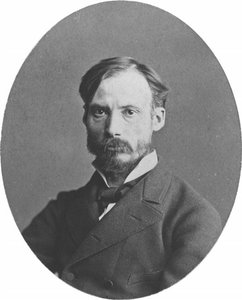
1841–1919, Frankrijk
Pierre-Auguste Renoir
Het Leven van Pierre-Auguste Renoir Geboren op 25 februari 1841 in Limoges, Frankrijk, stapte Pierre-Auguste Renoir een wereld binnen van ambachtelijk vakmanschap. Zijn vader, Léonard Renoir, werkte als kleermaker, terwijl zijn moeder, Marguerite Renoir, een naaister was. Deze huiselijke achtergrond van textiel en fijn detail zou op stille wijze zijn latere artistieke gevoel voor vorm en textuur beïnvloeden. In 1845 verhuisde het gezin naar Parijs, op zoek naar de kansen die de hoofdstad te bieden had.
Over Pierre-Auguste Renoir Bekende werken van Pierre-Auguste Renoir
Ook van Pierre-Auguste Renoir
 Dans Argenté de la Galette1876
 Le Déjeuner des canotiers1881
 Meisjes aan het piano1892
 Irene Cahen d'Anvers (ook bekend als Little Irene)1880

Essays over Coco
 Masterpieces of Light: The Top 25 Pierre-Auguste Renoir ArtworksImmerse yourself in the luminous world of Pierre-Auguste Renoir. Explore 25 iconic Impressionist masterpieces, from vibrant portraits to sc…
 Renoir’s Impressionist Masterpieces: A Definitive Guide to Light, Color, and the Art of JoyExplore the luminous world of Pierre-Auguste Renoir. Discover the history, technique, and emotional depth behind his Impressionist masterpi…
 OriginalUniqueArt.com F.A.Q.: How Our Master Artists Hand-Paint Museum-Quality Impressionist ReproductionsDiscover the exquisite craftsmanship behind our museum-quality Impressionist reproductions. From Monet to Renoir, our master artists hand-p…