Bekijk op ware grootte
 Verstuur
 Delen
Delen
 Details bekijken
 Gids voor studentenkunstwerken

 Download
 Vergelijkbare items
 Röntgenonderzoek
 Diavoorstelling
 Statistieken
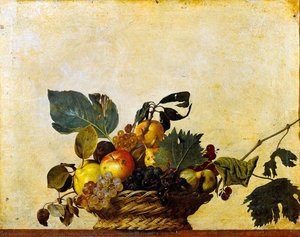
The Crowning with Thorns
 Acrylic On Canvas
- WallArt
- Baroque Dramatic Intensity
 1604
1604 1655.0 x 1270.0 cm
 Kunsthistorisches Museum
 Lees meer
Handgemaakte olieverfreproductie
Met de hand geschilderd in olieverf op canvas in uw gewenste maat en lijst, op bestelling gemaakt door onze kunstenaars. ( Schakel over naar print Schakel over naar digitale afbeeldingen)




P118B €10

P118H €10

P118W €10

P438Z €10

P508JH €12

P508YH €12

P805H €10

P805Z €10

P919BZ €10

P919G €10

P919XJ €10

P959ZH €10

P968JZ €12

W106C €8

W218G €10

W218JH €8

W218Y €10

W307PJ €10

W316G €10

W316PJ €8

W316Y €10

W398PJ €8

W4111J €10

W500HY €15

W500JH €15

W692G €12

W849H €8

W940BG €15

W953PJ €8




Kies uit onze vooraf ingestelde maten die overeenkomen met de originele verhoudingen van het kunstwerk.

Voer de breedte en de hoogte in die u nodig heeft, passend bij uw lijst of uw muur. Dit is handgeschilderd, dus bij een afmeting met een andere vormverhouding kan de kunstenaar iets meer rondom het schilderij schilderen of juist iets meer weglaten — u kiest zelf. Wij sturen u een digitaal mockup ter goedkeuring voordat het schilderwerk begint. De afbeelding die op deze pagina wordt getoond, is niet het uiteindelijke resultaat — alleen de mockup geeft dit weer.
Na de bestelling zal het team van OriginalUniqueArt.com per e-mail contact opnemen met de klant voor instructies en een mockup-voorbeeld sturen.
Wereldwijde levering () binnen 3 tot 4 weken in plaats van de standaard 5 weken. (22 oktober). Zonder concessies aan de kwaliteit.

Gratis wereldwijde expressverzending

Hoogwaardig linnen canvas

Volledige verzendverzekering

Garantie op terugbetaling van invoerrechten

Garantie op exacte kleurweergave

Retourbeleid van 100 dagen (alleen bij defecten)

100% Geld-terug-garantie

Korting bij meerdere afnames
 De optie voor glas is alleen beschikbaar bij een formaat kleiner dan 110 cm.

The Crowning with Thorns
Reproductiemethode
Formaat reproductie
-


Totaalprijs
€ 263
A Testament to Suffering: Caravaggio’s “The Crowning with Thorns”
Michelangelo Merisi da Caravaggio, a name synonymous with the dramatic intensity of Baroque painting, was born in Milan in 1571, a period steeped in both artistic flourishing and societal upheaval. His early life was marked by loss; plague ravaged his hometown, claiming the lives of his father and grandfather when he was just six years old. Raised amidst relative poverty, young Michelangelo’s formative years instilled within him a keen awareness of human suffering and resilience—themes that would later become central to his artistic vision. He began his artistic training in Milan under Simone Peterzano, absorbing the fundamentals of Renaissance technique but already hinting at a rebellious spirit that would soon shatter conventional norms. This apprenticeship provided a solid foundation, yet it was in Rome, arriving around 1592, that Caravaggio truly found his voice, though not without initial struggle and hardship. The city, a vibrant hub of artistic patronage and intellectual debate, welcomed him with open arms—and challenged him to forge a path unlike any seen before.The Canvas of Darkness: Style and Technique
Caravaggio’s revolutionary approach to painting distinguished him from his contemporaries. He eschewed idealized beauty, favoring instead unflinching realism that captured the gritty textures of everyday life. His signature technique, known as tenebrism—Italian for “darkness”—employed stark contrasts between light and shadow to create a palpable sense of drama and heighten emotional impact. This masterful manipulation of illumination wasn’t merely stylistic; it served as a deliberate tool to draw the viewer's eye directly to the focal point – Christ’s head, crowned with thorns – emphasizing his vulnerability and suffering. The artist famously utilized incision, meticulously etching outlines onto paper before applying paint, ensuring precise contours and maximizing the expressive power of each brushstroke. This painstaking process underscored Caravaggio’s commitment to capturing every nuance of human anatomy and emotion.A Dialogue With Antiquity: Influences and Inspiration
Caravaggio's artistic sensibilities were profoundly shaped by his fascination with classical sculpture, particularly the Belvedere Torso—a marble torso discovered in Rome around 1530 that captivated artists and intellectuals alike. He meticulously studied this model, mirroring its posture and conveying a similar sense of dignified sorrow within his depictions of biblical figures. This connection to antiquity wasn’t simply aesthetic; it reflected Caravaggio's belief in the enduring power of human form and emotion across time periods—a conviction that fueled his artistic explorations and cemented his place as one of history’s most influential painters.Symbolism Beneath the Surface: Narrative Depth
“The Crowning with Thorns” transcends mere visual representation; it embodies a complex tapestry of symbolic meaning. The positioning of Christ, bent forward under the weight of the thorns and surrounded by menacing figures—soldiers and onlookers alike—underscores the brutality of his ordeal and highlights the sacrifice he willingly endured for humanity’s salvation. Caravaggio's deliberate portrayal of Christ’s skin tone – pale and luminous – juxtaposed against the bronzed complexion of his tormentors serves as a powerful visual metaphor for purity versus corruption, innocence versus transgression. The artist’s masterful use of light and shadow amplifies these symbolic resonances, immersing the viewer in an atmosphere of palpable tension and conveying the profound emotional weight of the scene.Emotional Resonance: Legacy and Inspiration
Caravaggio's enduring legacy lies not only in his groundbreaking technique but also in his ability to evoke visceral emotion within the viewer. “The Crowning with Thorns” continues to captivate audiences today, prompting contemplation on themes of faith, suffering, and redemption. Its dramatic composition and masterful execution serve as an inspiration for artists seeking to convey profound psychological depth—a testament to Caravaggio’s unparalleled skill in capturing the human condition at its most vulnerable yet resolute. Explore a stunning reproduction of this masterpiece at Preston Crown Court and discover similar artworks at OriginalUniqueArt.com!Vragen & Antwoorden
Hoe wordt de stemming van "The Crowning with Thorns" door Caravaggio beschreven?
"The Crowning with Thorns" door Caravaggio wordt qua stemming beschreven als Dramatic. Deze classificatie kan helpen om het werk te laten aansluiten bij een bepaalde omgeving.
Is "The Crowning with Thorns" door Caravaggio een licht of een donker kunstwerk?
De helderheid van "The Crowning with Thorns" door Caravaggio is vastgelegd op deep_shadow, met een luminantie van Dark.
Wat zijn de afmetingen van het originele "The Crowning with Thorns" door Caravaggio?
Het originele werk "The Crowning with Thorns" door Caravaggio heeft de afmetingen 1655 x 1270 cm.
Biografie van de kunstenaar
Een Leven in Schaduw en Licht
Michelangelo Merisi da Caravaggio, een naam die onlosmakelijk verbonden is met de dramatische intensiteit van de barokschilderkunst, werd in 1571 geboren in Milaan, een periode gekenmerkt door zowel artistieke bloei als maatschappelijke omwentelingen. Zijn vroege leven werd getekend door verlies; de pest teisterde zijn geboortestad en eiste het leven van zijn vader en grootvader toen hij slechts zes jaar oud was. Opgegroeid in relatieve armoede, ontwikkelde de jonge Michelangelo een scherp bewustzijn van menselijk lijden en veerkracht – thema’s die later centraal zouden komen te staan in zijn doeken. Hij begon zijn artistieke opleiding in Milaan onder Simone Peterzano, een voormalig leerling van Titiaan, waar hij de basisprincipes van de Renaissance-techniek absorbeerde, maar al vroeg een rebelse geest toonde die weldra conventionele normen zou doorbreken. Deze leertijd legde een solide basis, maar het was in Rome, rond 1592, dat Caravaggio zijn eigen stem vond, hoewel niet zonder aanvankelijke strijd en ontberingen. De stad, een bruisend centrum van artistieke patronage en religieuze ijver, bleek zowel aantrekkelijk als meedogenloos voor de ambitieuze jonge schilder.Een Revolutionaire Visie: Techniek en Stijl
De komst van Caravaggio in Rome luidde een seismische verschuiving in het landschap van de Italiaanse kunst in. Hij verwierp de heersende maniëristische stijl – gekenmerkt door haar artificiële elegantie en verlengde vormen – ten gunste van een compromisloze realisme dat schokte en boeide. Zijn meest bepalende innovatie was zijn meesterlijke gebruik van chiaroscuro, het dramatische contrast tussen licht en donker, dat hij naar een nieuw niveau van expressieve kracht tilde. Deze techniek, vaak aangeduid als tenebrisme, was niet slechts een esthetische keuze; het was een middel om de emotionele impact te versterken, kijkers in het hart van de scène te trekken en zijn figuren een tastbare aanwezigheid te geven. Hij schuwde geïdealiseerde afbeeldingen en bevolkte zijn schilderijen met gewone mensen – vaak afkomstig uit de straten van Rome – als modellen voor religieuze figuren. Deze radicale aanpak daagde traditionele opvattingen over schoonheid en heiligheid uit, waardoor het sacrale toegankelijk en diep menselijk werd. Zijn composities waren vaak sober en direct, gericht op cruciale momenten van intense dramatiek, zoals de brute realisme in “De Vangst van Christus” of de stille contemplatie in "Sint Franciscus van Assisi in Extase".Belangrijke Werken en Blijvende Invloed
Gedurende zijn relatief korte carrière produceerde Caravaggio een oeuvre dat tot op de dag van vandaag resoneren met het publiek. Vroege werken, zoals “De Waarzegster” (1594), tonen zijn ontluikend talent voor het vastleggen van realistisch detail en psychologische nuance. “Het Emmaüsmalte” (1601-1602), bewaard in de National Gallery in Londen, is een voorbeeld van zijn beheersing van chiaroscuro en vermogen om diepe emotionele diepte over te brengen binnen een bijbelse vertelling. “David met het hoofd van Goliath” (ca. 1610) is bijzonder huiveringwekkend, vaak geïnterpreteerd als een zelfportret dat Caravaggio’s eigen turbulente gemoed weerspiegelt. Zijn invloed reikte verder dan Italië en inspireerde een generatie kunstenaars die bekend staan als de Caravaggisti, of “schaduwschilders”, die zijn stijl overnamen in heel Europa. Opmerkelijke volgelingen waren Peter Paul Rubens, Jusepe de Ribera en Gerrit van Honthorst, die elk Caravaggio’s technieken aanpasten aan hun eigen unieke artistieke visies.Een Tumultueus Bestaan en Blijvende Erfenis
Caravaggio's leven was net zo dramatisch en turbulent als zijn kunst. Een vluchtig temperament en een voorliefde voor ruzies leidden tot frequente problemen met de wet, culminerend in een moordbeschuldiging in 1606 die hem dwong Rome te ontvluchten. Hij bracht de volgende vier jaar rondzwervend door in Napels, Malta en Sicilië, waar hij bleef schilderen terwijl hij wanhopig op zoek was naar een pauselijke gratie. Ondanks zijn inspanningen bleef hij een buitenwetscit, achtervolgd door zijn verleden en geplaagd door persoonlijke conflicten. Hij stierf in Porto Ercole, Italië, in 1610 onder mysterieuze omstandigheden – de oorzaak van zijn dood blijft onderwerp van debat, met theorieën variërend van koorts tot vergiftiging. Hoewel zijn leven kort was, getuigt Caravaggio’s artistieke nalatenschap van zijn revolutionaire visie en onwrikbare toewijding aan het realisme. Hij daagde de conventies van zijn tijd uit, baande de weg voor een modernere benadering van schilderen en liet een onuitwisbare stempel achter op de loop van de westerse kunstgeschiedenis. Zijn werk blijft ontzag inboezemen en tot contemplatie aanzetten, en herinnert ons aan de kracht van kunst om de donkerste hoeken van de menselijke ervaring te verlichten.
Caravaggio
1571 - 1610 , Spanje
Snelle feiten
- Artistic Movement Or Style: Barok, Tenebrism
- Artists Or Movements Influenced By This Artist:
- Rubens
- Ribera
- Artists Who Influenced This Artist:
- Titian
- Leonardo da Vinci
- Date Of Birth: 29 september 1571
- Date Of Death: 18 juli 1610
- Full Name: Michelangelo Merisi da Caravaggio
- Nationality: Italiaans
- Notable Artworks:
- The Fortune Teller
- Supper at Emmaus
- David with Goliath
- Place Of Birth: Milaan, Spanje
Gerelateerde artikelen
The Dramatic Flourish: Exploring Baroque Painting's Emotional Intensity & Artistic Innovations
Explore the dramatic world of Baroque painting! Discover its history, defining characteristics, iconic artists like Caravaggio & Rubens, and lasting influence on Western art. Expert insights for collectors.

The Visceral Stage: Exploring Dramatic Narratives & Emotional Intensity in Baroque Art
Explore the dramatic world of Baroque art! Discover iconic masters like Caravaggio & Rembrandt, their techniques, and the movement's lasting impact. Expert insights for collectors & enthusiasts at OriginalUniqueArt.

Top 10 Barok Meesterwerken: Kunstgeschiedenis voor uw Interieur | OriginalUniqueArt.nl
Ontdek de 10 meest iconische Barok meesterwerken van Caravaggio, Rembrandt & Rubens! Duik in de geschiedenis en passie achter deze klassieke schilderijen. Vind museumkwaliteit reproducties voor uw interieur op OriginalUniqueArt.com.
Chiaroscuro and Soul: A Definitive Guide to the Drama and Emotion of Italian Baroque Masterpieces
Embark on a sophisticated journey through Italian Baroque art. Discover the dramatic interplay of light and emotion in Caravaggio’s masterpieces and explore how to bring this timeless grandeur into your collection with expert art insights.

The Dramatic Flourish: Exploring the Baroque Movement's Enduring Legacy in Art History
Explore the dramatic world of Baroque art! Discover iconic artists like Caravaggio & Rubens, defining techniques, and its lasting impact on art history. Expert insights for collectors & enthusiasts at OriginalUniqueArt.