Baroque Art · 1604
Triptych (Annibale Carracci, 1604)
Annibale Carracci (1560–1609) maakte Triptych. Het dateert uit 1604. Het behoort tot de Baroque Art-stroming. Het is te vinden in Galleria Nazionale d’Arte Antica in Rome, Italië. De afmetingen zijn 37 × 24 cm.
- 1604
- 37 × 24 cm
- Galleria Nazionale d’Arte Antica, Rome

 Voorvertoning

 Met de hand geschilderd olieverfwerk
 Verstuur
 Delen
 Informatieblad


 Download
 Vergelijkbare items
 Röntgenonderzoek
 Diavoorstelling
 Vraag & antwoord

 Statistieken
Triptych, in het kort
- Titel
- Triptych
- Kunstenaar
- Annibale Carracci (1560–1609)
- Geboren in [jaar]
- Bologna, Italië
- Datum
- 1604
- Afmetingen
- 37 × 24 cm
- Te zien in
- Galleria Nazionale d’Arte Antica, Rome, Italië
- Beweging
- Baroque Art
- Onderwerp
- triptych, annibale carracci, baroque, angels, allegory, copper
Wat stelt Triptych voor?
Annibale Carracci’s Triptych: A Baroque Masterpiece of Light, Faith, and Divine Order
Annibale Carracci's 1604 Triptych, currently housed within the Galleria Nazionale d'Arte Antica in Rome, stands as a pivotal example of the burgeoning Baroque style. More than simply a religious depiction, it’s a carefully orchestrated symphony of light, color, and symbolism—a testament to the artist’s mastery of composition and his deep understanding of both classical ideals and emerging emotional expression. This oil-on-copper painting, measuring 37 x 24 cm, invites viewers into a world where earthly beauty intertwines with divine grace, offering a profound meditation on faith, knowledge, and the very nature of existence.
Composition and Symbolism: A Dance of Allegory and Divine Presence
The triptych format itself is deeply rooted in religious tradition, allowing for a layered narrative to unfold. The central panel immediately draws the eye to an angelic figure, radiating serenity and holding aloft a book—a potent symbol of both Holy Scripture and the pursuit of divine knowledge. Surrounding this central emblem are cherubs, their youthful innocence adding a touch of ethereal joy to the scene. The left and right panels introduce allegorical figures engaged in distinct activities: one grasping a scroll or document, representing wisdom and law, while the other holds an object suggestive of power and authority. These flanking scenes aren’t merely decorative; they serve as crucial contextual elements, enriching the central theme with layers of meaning and inviting contemplation on the foundations of faith and governance.
Technique and Artistic Innovation: A Synthesis of Renaissance and Baroque
Carracci's skill is evident in every meticulously rendered detail. The use of light and shadow—a hallmark of Baroque art—is particularly striking, creating a dynamic sense of movement and emotion within the painted space. Notice how the light seems to emanate from an unseen source, illuminating the figures with a radiant glow while simultaneously casting deep shadows that heighten their three-dimensionality. The artist’s mastery extends beyond mere technique; he seamlessly blends elements of Florentine linear draftsmanship—inherited from his artistic lineage—with Venetian color and atmospheric effects, creating a unique style that revitalized Italian painting. The copper panel itself contributes to the work's luminosity, reflecting light in subtle ways that enhance its visual impact. The intricate details – the folds of the garments, the texture of hair, the play of light on skin – demonstrate an extraordinary level of observation and artistic control.
Historical Context and Artistic Legacy: A Bridge Between Eras
Annibale Carracci emerged from a vibrant artistic community in Bologna during the late 16th century, a period marked by a desire to move beyond the constraints of Mannerism. Alongside his brother Agostino and cousin Ludovico, he spearheaded the Accademia degli Incamminati, an institution dedicated to reviving High Renaissance ideals while embracing a more naturalistic approach. This ambitious project aimed to re-establish Italy as a leading force in European art. Carracci’s Triptych exemplifies this spirit of innovation, bridging the gap between the classical past and the emerging Baroque style. His work profoundly influenced subsequent generations of artists, shaping the course of Italian painting for decades to come, and continues to inspire awe and admiration today. As a masterpiece of Italian art, it stands as a powerful reminder of the enduring beauty and spiritual depth that can be achieved through masterful artistic skill.
Further Information: Explore more works by Annibale Carracci on OriginalUniqueArt.com, delve into the history of the Galleria Nazionale d'Arte Antica at OriginalUniqueArt.com, and discover other Baroque masterpieces such as Caravaggio’s *Crucifixion of Saint Peter* on WGA.hu.
In welk museum bevindt Triptych zich?
Galleria Nazionale d’Arte Antica
Rome, Italië
De geschiedenis van de Galleria Nazionale d’Arte Antica De Galleria Nazionale d’Arte Antica werd in 1893 opgericht in het hart van Rome, Italië. Deze prestigieuze instelling manifesteert zich via twee unieke locaties: het imposante Palazzo Barberini en het elegante Palazzo Corsini. Samen vormen zij de bewaarplaats van een collectie die een meeslepende reis door de tijd biedt, van de bloeiperiode van de Italiaanse Renaissance tot de dramatische pracht van het Barok tijdperk.


Hoogwaardige afbeeldingen van Triptych

Publiek domein: de kunstenaar is overleden in 1609.
Andere formaten, uitsneden en citatiegegevens →Annibale Carracci, Triptych (1604), Galleria Nazionale d’Arte Antica. Publiek domein
Veelgestelde vragen over Triptych
Waar kan ik het originele werk "Triptych" door Annibale Carracci bewonderen?
Het originele werk "Triptych" is te bewonderen in Galleria Nazionale d’Arte Antica, Rome, Italië.
In welk jaar werd "Triptych" door Annibale Carracci gemaakt?
"Triptych" dateert uit 1604. Deze datum plaatst het werk binnen de carrière van Annibale Carracci en het betreffende tijdperk.
Wat zijn de werkelijke afmetingen van "Triptych" door Annibale Carracci?
De afmetingen van "Triptych" door Annibale Carracci zijn 37 x 24 cm. Reproducties kunnen in andere formaten worden besteld met behoud van dezelfde verhoudingen.
Wat stelt "Triptych" voor?
"Triptych" door Annibale Carracci toont: triptych, annibale carracci, baroque, angels, allegory, copper, renaissance, rome.
Behoort "Triptych" door Annibale Carracci tot het publiek domein?
"Triptych" door Annibale Carracci valt onder bevindt zich in het publiek domein - de auteursrechten zijn verlopen. Deze status bepaalt hoe de afbeelding van het werk mag worden gereproduceerd.
Aan welke kunstenaar wordt "Triptych" toegeschreven?
De kunstenaar achter "Triptych" is Annibale Carracci. Het werk is gecatalogiseerd onder de naam van Annibale Carracci.
Tot welke stijl behoort "Triptych"?
"Triptych" door Annibale Carracci behoort tot de Baroque Art-stroming. Deze stroming biedt de stilistische context van het werk.
Uit welke fase van de carrière van Annibale Carracci is "Triptych"?
Binnen de carrière van Annibale Carracci valt "Triptych" in de Baroque Maturity. Deze fase helpt om het werk te vergelijken met andere werken van de kunstenaar.
Op welke leeftijd maakte Annibale Carracci "Triptych"?
Toen "Triptych" werd gemaakt in 1604, was Annibale Carracci - geboren in 1560 - 44 jaar oud.
Over de kunstenaar, Annibale Carracci
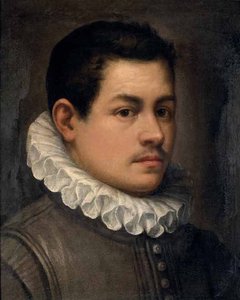
1560–1609, Italië
Annibale Carracci
Early Life and the Bolognese Roots Annibale Carracci, geboren op 3 november 1560 in Bologna, kwam uit een familie die diep geworteld was in de kunsttraditie. Zijn eerste training vond waarschijnlijk plaats binnen het warme nest van zijn familiewerkplaats, waar hij de basis legde voor een carrière die de kunstwereld in Italië radicaal zou veranderen. Bologna was op dat moment een levendige broedplaats van intellectuele en artistieke ontluiking, maar voelde toch wat afstandelijk ten opzichte van de dominante stromingen die uit Rome en Venetië voortkwamen. Deze gevoelens van provincialisme voedden bij een groep jonge kunstenaars – Annibale, zijn broer Agostino en neef Ludovico – de drang om een nieuwe weg te vinden, een pad dat de Italiaanse kunst zou hervitaliseren door zich te wenden tot de meesters van de Gouden Eeuw, terwijl ze tegelijkertijd een meer naturalistische benadering omarmden.
Ook van Annibale Carracci
 De boneneter Zon
 De keuze van Heracles
 Rivierelandschap1589
 Spotting van Christus1596
Essays over Triptych
 The Architecture of Divinity: Tracing the Evolution of Angelic Iconography in Renaissance ArtExplore the evolution of angelic iconography from early Christian art to the Baroque. Trace the divine history with our expert analysis.
 25 Masterpieces by Sir Anthony van Dyck: The King of Baroque PortraitureStep into the elegance of the Baroque era with our curated guide to Sir Anthony van Dyck's top 25 masterpieces. Explore royal portraits and…
 Caravaggism and Bolognese Classicism: Two Paths of the BaroqueMaster the differences between Caravaggism and Bolognese Classicism. Explore the dramatic tension of the Baroque era now.