Baroque · 1592
Pan (Annibale Carracci, 1592)
Annibale Carracci (1560–1609) maakte Pan. Het dateert uit 1592. Het behoort tot de Baroque-stroming. Het is gemaakt van Oil On Canvas. Het is te vinden in National Gallery of Victoria in Melbourne, Australië. De afmetingen zijn 109 × 135 cm.
- 1592
- Oil On Canvas
- 109 × 135 cm
- National Gallery of Victoria, Melbourne

 Voorvertoning

 Met de hand geschilderd olieverfwerk
 Verstuur
 Delen
 Informatieblad


 Download
 Vergelijkbare items
 Röntgenonderzoek
 Diavoorstelling
 Vraag & antwoord

 Statistieken
Pan, in het kort
- Titel
- Pan
- Kunstenaar
- Annibale Carracci (1560–1609)
- Geboren in [jaar]
- Bologna, Italië
- Datum
- 1592
- Medium
- Oil On Canvas
- Afmetingen
- 109 × 135 cm
- Te zien in
- National Gallery of Victoria, Melbourne, Australië
- Beweging
- Baroque
- Onderwerp
- pan, greek god, mythology, carracci, foreshortening, renaissance
Wat stelt Pan voor?
A Vision of Rustic Divinity: Annibale Carracci’s Pan
Annibale Carracci's "Pan," painted circa 1592, is not merely a depiction of the Greek god; it’s an embodiment of primal nature, a vibrant assertion of earthly delight rendered with breathtaking technical skill and imbued with the burgeoning spirit of the Bolognese school. This painting transcends simple portraiture, offering instead a glimpse into a world teeming with instinct, fertility, and the intoxicating allure of the wild. Commissioned by Cesare d'Este for his opulent Palazzo dei Diamanti in Ferrara – a palace itself reflecting the lavish tastes of the Renaissance court – “Pan” was intended to be part of a larger decorative scheme, a carefully orchestrated symphony of classical mythology designed to evoke grandeur and celebrate the power of the Este family.
Carracci’s genius lies in his masterful manipulation of perspective and color. The scene unfolds with a dramatic *di sotto in sù* foreshortening – a technique borrowed from earlier Renaissance masters but perfected by Carracci – that draws the viewer into the god's immediate presence. Pan, seated atop a ram or goat (the animal’s identity deliberately ambiguous), is presented not as an imposing deity, but as a youthful, almost mischievous figure. His pose is relaxed, his expression playful, and his limbs are rendered with a remarkable sense of naturalism that distinguishes this work from the more idealized depictions prevalent at the time. The rich palette – dominated by earthy reds, ochres, and greens – creates a tactile quality, inviting the viewer to almost feel the warmth of the Italian sun on Pan’s skin and the rough texture of his attire.
The Language of Symbolism
Pan, in Greek mythology, is the god of shepherds, flocks, wild animals, music, and revelry. He embodies the untamed spirit of nature, a force both alluring and potentially dangerous. Carracci’s portrayal captures this duality perfectly. The ram or goat beneath Pan isn't simply an animal; it represents fertility, abundance, and the cyclical rhythms of life and death – essential themes within the context of the Renaissance fascination with classical antiquity. The inclusion of the pipe, a traditional instrument associated with Pan, further reinforces his role as the patron of music and dance, suggesting a celebration of earthly pleasures.
Notably, the presence of the book or scroll in Pan’s hand hints at a deeper layer of meaning. While often depicted as a wild god, Pan was also associated with prophecy and knowledge – a connection that aligns with the intellectual climate of Renaissance Italy. The object could represent his ability to interpret the signs of nature, offering a glimpse into the mysteries of the world.
A Bridge Between Eras
“Pan” stands as a pivotal work in the transition from the High Renaissance to the Baroque period. Carracci’s embrace of naturalism and dramatic perspective – hallmarks of the Bolognese school – paved the way for the heightened emotional intensity and dynamic compositions that would characterize the Baroque style. His meticulous attention to detail, combined with his innovative use of *di sotto in sù* foreshortening, demonstrates a profound understanding of both classical principles and contemporary artistic trends. The painting’s placement within a larger decorative scheme further highlights its significance as a key element in the revival of classical art during the late 16th century.
A Timeless Appeal
More than four centuries after its creation, “Pan” continues to captivate viewers with its vibrant energy and evocative imagery. It’s a painting that speaks to our enduring fascination with nature, mythology, and the primal instincts that lie at the heart of human experience. Reproductions of this masterpiece offer an opportunity to bring this extraordinary vision into any setting, adding a touch of rustic divinity and timeless beauty to your home or office.
In welk museum bevindt Pan zich?
National Gallery of Victoria
Melbourne, Australië
Oorsprong en geschiedenis van de National Gallery of Victoria De National Gallery of Victoria werd opgericht in 1861, een tijdperk dat werd gekenmerkt door de koortsachtige energie van de goudkoorts, een periode van ongekende groei voor de kolonie. In haar beginjaren fungeerde de instelling als een bescheiden bewaarplaats voor gipsafgietsels, bedoeld om een tastbare verbinding te leggen met de gevestigde artistieke tradities van Europa. Deze initiële collectie was een pragmatische reactie op de koloniale ambities van die tijd, een poging om culturele gelijkwaardigheid te verwerven met de oude, gevestigde wereldmachten.


Hoogwaardige afbeeldingen van Pan

Publiek domein: de kunstenaar is overleden in 1609.
Andere formaten, uitsneden en citatiegegevens →Annibale Carracci, Pan (1592), National Gallery of Victoria. Publiek domein
Veelgestelde vragen over Pan
Waar is "Pan" door Annibale Carracci tegenwoordig te zien?
Het originele "Pan" door Annibale Carracci wordt bewaard in National Gallery of Victoria, Melbourne, Australië. Een reproductie maakt het mogelijk om het werk thuis tentoon te stellen.
In welk jaar werd "Pan" gemaakt?
"Pan" door Annibale Carracci werd gemaakt in 1592.
Met welke techniek is "Pan" door Annibale Carracci vervaardigd?
Het medium van "Pan" door Annibale Carracci is Oil On Canvas. Reproducties zijn bedoeld om de uitstraling van deze techniek weer te geven.
Wat zijn de afmetingen van het originele "Pan" door Annibale Carracci?
Het originele werk "Pan" door Annibale Carracci heeft de afmetingen 109 x 135 cm.
Wat stelt "Pan" voor?
De onderwerpen van "Pan" zijn pan, greek god, mythology, carracci, foreshortening, renaissance, baroque, deity.
Is de afbeelding van "Pan" door Annibale Carracci vrij van auteursrecht?
De auteursrechtelijke status van "Pan" door Annibale Carracci: het werk is bevindt zich in het publiek domein - de auteursrechten zijn verlopen. Dit bepaalt of reproducties van de afbeelding vrijelijk mogen worden gemaakt.
Aan welke kunstenaar wordt "Pan" toegeschreven?
"Pan" is gemaakt door Annibale Carracci. De informatie op deze pagina beschrijft het originele werk van Annibale Carracci.
Tot welke stijl behoort "Pan"?
"Pan" is een werk uit de Baroque. De stroming geeft de artistieke traditie aan waartoe het werk behoort.
Uit welke fase van de carrière van Annibale Carracci is "Pan"?
Binnen de carrière van Annibale Carracci valt "Pan" in de Mature Period. Deze fase helpt om het werk te vergelijken met andere werken van de kunstenaar.
Over de kunstenaar, Annibale Carracci
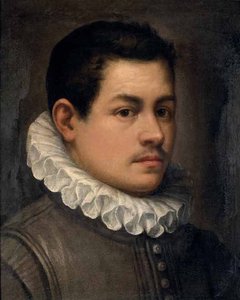
1560–1609, Italië
Annibale Carracci
Early Life and the Bolognese Roots Annibale Carracci, geboren op 3 november 1560 in Bologna, kwam uit een familie die diep geworteld was in de kunsttraditie. Zijn eerste training vond waarschijnlijk plaats binnen het warme nest van zijn familiewerkplaats, waar hij de basis legde voor een carrière die de kunstwereld in Italië radicaal zou veranderen. Bologna was op dat moment een levendige broedplaats van intellectuele en artistieke ontluiking, maar voelde toch wat afstandelijk ten opzichte van de dominante stromingen die uit Rome en Venetië voortkwamen. Deze gevoelens van provincialisme voedden bij een groep jonge kunstenaars – Annibale, zijn broer Agostino en neef Ludovico – de drang om een nieuwe weg te vinden, een pad dat de Italiaanse kunst zou hervitaliseren door zich te wenden tot de meesters van de Gouden Eeuw, terwijl ze tegelijkertijd een meer naturalistische benadering omarmden.
Ook van Annibale Carracci
 De boneneter Zon
 De keuze van Heracles
 Rivierelandschap1589
 Spotting van Christus1596

Essays over Pan
 The Language of Animals in Art: From Ancient Egypt to the RenaissanceExplore the profound history of animal symbolism from Egypt to the Renaissance. Trace these ancient motifs through art history now.
 Annibale Carracci: Bridging Renaissance Ideals & Baroque InnovationExplore the life & art of Annibale Carracci, a pivotal figure bridging Renaissance ideals with Baroque innovation. Discover his masterpiece…
 Divine Beauty: The 25 Most Iconic Masterpieces by Fra AngelicoJourney through the divine beauty of Fra Angelico's finest works. Explore 25 iconic Renaissance masterpieces, from ethereal frescoes to sac…