Portret van Émile Friant

De 60 beroemdste schilderijen van Émile Friant, elk uniek

Bijgewerkt in november 2026 · gerangschikt op basis van onze populariteitsscore (zoekopdrachten, bezoeken en bestellingen per kunstwerk) · 60 werken van Émile Friant in onze catalogus

Kortom

The Rowers of the Meurthe (1888) is het schilderij van Émile Friant dat de meeste aandacht trekt; het origineel bevindt zich in het musée de l'École de Nancy, Nancy. Daarna gaat de blik naar Woman with a lion (1919) en Portret van haar moeder die een rad schilselt voor het raam (1887). Van de 60 werken van Émile Friant in onze catalogus zijn dit de 60 bekendste, elk een uniek origineel gepresenteerd met het jaar, het museum en de reden waarom het blijft voortbestaan.

1863 – 1932, Dieuze Realism Meeste werken: Musée des Beaux-Arts de Nancy

Top 10 schilderijen van Émile Friant, door de ogen van de galerie

1
The Rowers of the Meurthe (1888) door Émile Friant

The Rowers of the Meurthe

1888 · Oil On Canvas · musée de l'École de Nancy, Nancy

In this 1888 oil on canvas, we find ourselves invited into a quiet, intimate moment of social connection. The scene depicts a group of people gathered around a dining table, their presence suggesting a shared meal and the easy rhythm of conversation. There is a sense of stillness here, as if we have just stepped into the room to find them mid-sentence. The composition is populated by at least thirteen…

2
Woman with a lion (1919) door Émile Friant

Woman with a lion

1919 · Oil

In this 1919 portrait, we find ourselves in the presence of a woman and a lion, a pairing that suggests a profound, unspoken connection. She sits with a composed grace, one hand resting thoughtfully against her chin while the other finds a place upon the lion's head. There is a stillness here, a moment of repose that transcends the typical tension one might expect from such an unlikely companionship. The…

3
Portret van haar moeder die een rad schilselt voor het raam (1887) door Émile Friant

Portret van haar moeder die een rad schilselt voor het raam

1887 · Olieverf op paneel · Musée des Beaux-Arts de Nancy, Nancy

Portrait de sa mère épluchant un navet devant une fenêtre : Un Éloge du Réalisme et de la Simplicité Paysanne Émile Friant, né à Dieuze en 1863, est une figure marquante qui établit un pont entre le réalisme du XIXe siècle et les mouvements artistiques émergents du début du XXe siècle. Son parcours de vie est profondément imprégné des bouleversements politiques et sociaux de son époque ; la fuite familiale…

4
A Student (also known as Self-portrait) (1885) door Émile Friant

A Student (also known as Self-portrait)

1885 · Oil On Canvas · Musée des Beaux-Arts de Nancy, Nancy

Émile Friant's "A Student," painted in 1885, is more than just a portrait; it’s a poignant glimpse into the quiet contemplation of a young man grappling with his studies and perhaps, with something deeper within himself. This oil painting, currently residing at the Musée des Beaux-Arts in Nancy, France, offers a remarkably intimate portrayal of a figure lost in thought, rendered with Friant's signature blend of realism and subtle emotional…

5
The Expiation (1908) door Émile Friant

The Expiation

1908 · Oil On Canvas · Art Gallery of Hamilton, Hamilton

The air in the painting feels heavy, thick with the scent of dust and impending silence. A man in a black robe hangs from the gallows, his body a dark silhouette against the tension of the scene. He is a priest, his clerical garments marking him as a figure of spiritual weight amidst the secular violence. Around him, the crowd gathers like a slow-moving tide. Some faces are pressed close…

6
The Tramp (1890) door Émile Friant

The Tramp

1890 · Oil · Nationalmuseum, Stockholm

In "The Tramp" by Émile Friant, we find ourselves observing a solitary figure seeking refuge within the mouth of a dark cave. The composition is dominated by the heavy, textured mass of the rocky overhang, which creates a palpable sense of enclosure and isolation. This weight of stone presses down from above, framing the subject within a narrow, sheltered space. The color palette is muted and earthy, relying on ochres,…

7
Self portrait (1878) door Émile Friant

Self portrait

1878 · Oil · la Cour D'or, Metz

In the quiet intimacy of 1878, a young Émile Friant turned his gaze inward, capturing not just a likeness, but a moment of profound self-reflection. His Self Portrait serves as a captivating window into the late 19th century, presenting a man poised between the rigid formalities of his era and the burgeoning psychological depth that would define his later career. Dressed in the dignified attire of the period—a meticulously rendered…

8
Portrait of my mother peeling a turnip, in front of a window (1887) door Émile Friant

Portrait of my mother peeling a turnip, in front of a window

1887 · Oil On Canvas · Musée des Beaux-Arts de Nancy, Nancy

In the soft, diffused light of a late nineteenth-century afternoon, Émile Friant invites us into a space of profound intimacy and domestic stillness. Portrait of my mother peeling a turnip, in front of a window is not merely a depiction of a mundane chore; it is a masterful study of presence and the beauty found within the ordinary. The scene unfolds before a large, rectangular window that serves as both…

10
The Study (1885) door Émile Friant

The Study

1885 · Oil On Canvas

The Study by Émile Friant, created about 1885, presents a medium shot of two figures within a well-appointed interior. A man sits in the foreground, his attention directed toward the act of drawing or sketching. Positioned before him is a woman who stands with her back turned toward the viewer, acting as the subject of his work. The arrangement of these figures creates a sense of depth, placing the subjects…

De beroemde schilderijen van Émile Friant, nummer 11 tot 60

11Presentation of the Odalisques to the Sultan (1881) door Émile FriantPresentation of the Odalisques to the Sultan1881 · Musée des Beaux-Arts de Nancy 12Portrait of Georges Jeanniot (1884) door Émile FriantPortrait of Georges Jeanniot1884 · Musée des Beaux-Arts de Dijon 13Les artistes Mathias Schiff et Camille Martin (1880) door Émile FriantLes artistes Mathias Schiff et Camille Martin1880 14A Wood-Line (1885) door Émile FriantA Wood-Line1885 15Memories (1891) door Émile FriantMemories1891 · Petit Palais 16The Garden Walk (1889) door Émile FriantThe Garden Walk1889 · Philadelphia Museum of Art 17Spinner from El Kantara (1892) door Émile FriantSpinner from El Kantara1892 18Spring (1888) door Émile FriantSpring1888 19The Bread (1894) door Émile FriantThe Bread1894 20Voyage a l'Infini (1899) door Émile FriantVoyage a l'Infini1899 21Portrait of Aimé Morot (1905) door Émile FriantPortrait of Aimé Morot1905 22Émile Hinzelin (1908) door Émile FriantÉmile Hinzelin1908 · Musée d'Art Moderne et Contemporain de Strasbourg 23Devant la psyché (1912) door Émile FriantDevant la psyché1912 · Musée des Beaux-Arts de Nancy 24The Familiar Birds (1921) door Émile FriantThe Familiar Birds1921 25Portrait of Jean Scherbeck (1928) door Émile FriantPortrait of Jean Scherbeck1928 26Guillaume Dubufe (1905) door Émile FriantGuillaume Dubufe1905 · Musée d'Orsay 27Self portrait door Émile FriantSelf portraitMusée des Beaux-Arts de Nancy 28The Frugal Repast door Émile FriantThe Frugal Repast 29Tube of Gouache (1877) door Émile FriantTube of Gouache1877 · Musée des Beaux-Arts de Nancy 30Self portrait (1877) door Émile FriantSelf portrait1877 31Self-portrait at twenty years of three quarters (1883) door Émile FriantSelf-portrait at twenty years of three quarters1883 32Portrait of Madame Petitjean (1883) door Émile FriantPortrait of Madame Petitjean1883 · Musée des Beaux-Arts de Nancy 33The Landscape Painter in his Studio (1885) door Émile FriantThe Landscape Painter in his Studio1885 34The Entrance of the Clowns (1881) door Émile FriantThe Entrance of the Clowns1881 35Jeanniot peignant la Ligne de feu (1886) door Émile FriantJeanniot peignant la Ligne de feu1886 36Soir d'automne (also known as Study for Les amoreux) (1888) door Émile FriantSoir d'automne (also known as Study for Les amoreux)1888 37Portrait of Camille Majorelle (1888) door Émile FriantPortrait of Camille Majorelle1888 · musée de l'École de Nancy 38Douleur (1898) door Émile FriantDouleur1898 · Musée des Beaux-Arts de Nancy 39Self-portrait (1893) door Émile FriantSelf-portrait1893 40Portrait de M. Paul (1896) door Émile FriantPortrait de M. Paul1896 · Musée des Beaux-Arts de Nancy 41A Child's Dissapointment (1897) door Émile FriantA Child's Dissapointment1897 · The Frick Pittsburgh 42Self-portrait door Émile FriantSelf-portraitmusée de l'École de Nancy 43Portrait of Young Girl door Émile FriantPortrait of Young Girl 44Coquelin Senior in the Role of Jean Dacier door Émile FriantCoquelin Senior in the Role of Jean Dacier 45Young girl door Émile FriantYoung girl 46Studio Visit door Émile FriantStudio Visit 47Portrait of M. Sidrot (1881) door Émile FriantPortrait of M. Sidrot1881 · Musée des Beaux-Arts de Nancy 48Les Buveurs (1884) door Émile FriantLes Buveurs1884 · Musée des Beaux-Arts de Nancy 49Portrait of Sculptor Ernest Bussière (also known as Interior of the Studio) (1884) door Émile FriantPortrait of Sculptor Ernest Bussière (also known as Interior of the Studio)1884 · Musée des Beaux-Arts de Nancy 50Maternal Tenderness (1906) door Émile FriantMaternal Tenderness1906 51Madame Coquelin Mere door Émile FriantMadame Coquelin Mere 52Political Dicussion (1889) door Émile FriantPolitical Dicussion1889 53Dress with Knitted Coat door Émile FriantDress with Knitted CoatKunstgewerbemuseum 54Draft of Dress with Knitted Coat door Émile FriantDraft of Dress with Knitted CoatKunstgewerbemuseum 55Lovers (1888) door Émile FriantLovers1888 · Musée des Beaux-Arts de Nancy 56Young Woman of Nancy in a Winter Landscape (1887) door Émile FriantYoung Woman of Nancy in a Winter Landscape1887 · Musée des Beaux-Arts de Nancy 57The Small Boat door Émile FriantThe Small BoatMusée des Beaux-Arts de Nancy 58All Saints' Day (1888) door Émile FriantAll Saints' Day1888 · Musée d'Orsay 59Ombres portées (1891) door Émile FriantOmbres portées1891 · Musée d'Orsay 60De Worsteling (1889) door Émile FriantDe Worsteling1889 · Musée Fabre

De beroemde schilderijen van Émile Friant, periode voor periode

De onderwerpen die de aandacht van Émile Friant troffen

De vier onderwerpen die het meest voorkomen in deze originelen, elk met zijn mooiste voorbeeld.

De musea waar de originele werken van Émile Friant worden bewaard

De 8 musea met de meeste schilderijen op deze pagina.

Museum Stad Werken van Émile Friant Schilderijen uit deze lijst
Musée des Beaux-Arts de Nancy, NancyMusée des Beaux-Arts de Nancy Nancy 15 Portret van haar moeder die een rad schilselt voor het raam, A Student (also known as Self-portrait), Presentation of the Odalisques to the Sultan
musée de l'École de Nancy, Nancymusée de l'École de Nancy Nancy 3 The Rowers of the Meurthe, Portrait of Camille Majorelle, Self-portrait
Musée d'Orsay, ParijsMusée d'Orsay Parijs 3 Guillaume Dubufe, All Saints' Day, Ombres portées
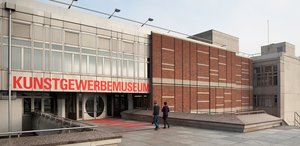
Kunstgewerbemuseum, BerlijnKunstgewerbemuseum Berlijn 2 Dress with Knitted Coat, Draft of Dress with Knitted Coat
Art Gallery of Hamilton, HamiltonArt Gallery of Hamilton Hamilton 1 The Expiation
Nationalmuseum, StockholmNationalmuseum Stockholm 1 The Tramp
la Cour D'or, Metzla Cour D'or Metz 1 Self portrait
Musée des Beaux-Arts de Nancy, NancyMusée des Beaux-Arts de Nancy Nancy 1 Portrait of my mother peeling a turnip, in front of a window

Émile Friant door de decennia heen: elk een uniek origineel

Werken per decennium

Kies een decennium om het origineel te zien dat dit tijdperk definieert.

Schilderijen van Émile Friant: vragen voor de galerie

Wat is het bekendste werk van Émile Friant?Onthul het antwoord

The Rowers of the Meurthe (1888), musée de l'École de Nancy, Nancy. Woman with a lion (1919) en Portret van haar moeder die een rad schilselt voor het raam (1887) volgen.

Op welke leeftijd creëerde Émile Friant The Rowers of the Meurthe?Onthul het antwoord

25 jaar oud: The Rowers of the Meurthe dateert uit 1888, en Émile Friant werd geboren in 1863.

Welke tien schilderijen van Émile Friant zijn het meest bekend?Onthul het antwoord

The Rowers of the Meurthe, Woman with a lion, Portret van haar moeder die een rad schilselt voor het raam, A Student (also known as Self-portrait), The Expiation, The Tramp, Self portrait, Portrait of my mother peeling a turnip, in front of a window, Polynices Cursed by Oedipus en The Study. De bovenstaande ranglijst vermeldt het jaar en het museum van elk werk.

Hoeveel werken van Émile Friant zijn er bekend?Onthul het antwoord

Onze catalogus bevat 60 werken van Émile Friant, daterend van 1877 tot 1928.

Waar kunnen de beroemdste originelen van Émile Friant worden bekeken?Onthul het antwoord

Voornamelijk in Musée des Beaux-Arts de Nancy (Nancy), musée de l'École de Nancy (Nancy) en Musée d'Orsay (Parijs). De bovenstaande museumtabel bevat een volledig overzicht.

In welke periode creëerde Émile Friant de bekendste schilderijen?Onthul het antwoord

In 1880s: 27 van de 60 werken op deze pagina werden toen gemaakt, waaronder The Rowers of the Meurthe.

Welk beroemd schilderij van Émile Friant is de vroegste, en welke de laatste?Onthul het antwoord

Op deze pagina is het vroegste Tube of Gouache (1877) en het laatste Portrait of Jean Scherbeck (1928).

Welke onderwerpen had Émile Friant de voorkeur?Onthul het antwoord

Man (12), Woman (10) en Portrait (8), verspreid over de 60 werken op deze pagina.

Met welke materialen schilderde Émile Friant het meest?Onthul het antwoord

Oil On Canvas, voor 20 van de 60 werken op deze pagina.

Bij welke stroming behoort het werk van Émile Friant?Onthul het antwoord

Realism en Contemporary realism, te oordelen aan de originelen op deze pagina.

Welke originele werken van Émile Friant kan ik zien in het Musée des Beaux-Arts de Nancy?Onthul het antwoord

Portret van haar moeder die een rad schilselt voor het raam, A Student (also known as Self-portrait) en Presentation of the Odalisques to the Sultan: het Musée des Beaux-Arts de Nancy, Nancy herbergt 15 van de werken op deze pagina.

Émile Friant: een portret van de kunstenaar

Émile Friant - A Life Rooted in Realism

Émile Friant (Dieuze, 16 april 1863 – Parijs, 6 juni 1932) was een Franse kunstschilder en graveur.
  • Early Life and Training
  • Parisian Career and Salon Successes
  • Mature Works: Portraits, Genre Scenes, and North African Influences
  • Recognition and Honors
  • Legacy

Early Life and Training

Émile Friant was born in Dieuze, France, to a family of a locksmith. From a young age he demonstrated an exceptional talent for drawing, nurtured by private tutors and subsequently under the guidance of Louis-Théodore Devilly at the Nancy school of drawing. Devilly’s insistence on direct observation and meticulous detail profoundly shaped Friant's artistic style—a realism imbued with emotional depth and psychological insight. He received a scholarship to study at Alexandre Cabanel’s atelier in Paris, where he was exposed to established academic techniques but also sought inspiration from Impressionist masters like Gêrome and Meissonier. His fascination for Bastien-Lepage’s dedication to nature further solidified his artistic vision.

Parisian Career and Salon Successes

Friant quickly established himself in Paris, exhibiting regularly at the Salon and forging friendships with prominent actors such as Ernest Coquelin. A grant from the 1886 Salon enabled him to travel extensively—to Belgium, Holland, Italy, Malta and Tunisia—where he encountered the artistic heritage of the Dutch Masters. These journeys infused his landscapes with vibrant colors and a sense of exoticism, mirroring the broader cultural currents of the era. His participation in the 1889 Universal Exposition secured him a Gold Medal, cementing his reputation as one of France’s leading artists.

Mature Works: Portraits, Genre Scenes, and North African Influences

Friant's artistic style was characterized by realism—a commitment to portraying everyday life with accuracy and sensitivity. His most celebrated works included *La Toussaint*, a poignant depiction of grief at a graveside that earned him the highest honor at the Salon. He excelled in portraiture, capturing not only physical likeness but also inner character and psychological state. Notably, he befriended Auguste Blain, who became his first biographer. Friant’s exploration of North Africa yielded stunning landscapes and portraits reflecting the region's cultural diversity.

Recognition and Honors

Friant received numerous accolades throughout his career—including knighthood (1889), officer rank (1901) and commander rank (1931)—and was elected to the Institut de France, marking the pinnacle of artistic achievement in France. He continued to teach at the École des Beaux-Arts until his death in 1932.

Legacy

Émile Friant is remembered as one of the last great naturalists—a painter who upheld a tradition of meticulous observation and emotional honesty amidst the rapid transformations of the early 20th century. His innovative use of photography as a preparatory tool demonstrated an engagement with technological advancements while maintaining his core artistic principles. His paintings continue to resonate with audiences today, embodying beauty, sensitivity, and enduring relevance—a testament to Friant’s profound contribution to French art history.