

A Glimpse into Antwerp’s Golden Age: The Snijders-Rockox House
Nestled within the historic heart of Antwerp, Belgium, the Snijders-Rockox House isn't merely a museum; it’s a meticulously preserved portal to the 17th century. More than just a collection of paintings, it offers an immersive experience, transporting visitors back to a time when art, politics, and social life intertwined within the opulent walls of a patrician home. This intimate space, owned by KBC Bank, reveals the lives of two pivotal figures – Frans Snyders, a master of still lifes and hunting scenes, and Nicolaas Rockox, a prominent mayor and influential art collector – providing a rare dual perspective on Antwerp’s vibrant cultural landscape during its Golden Age.
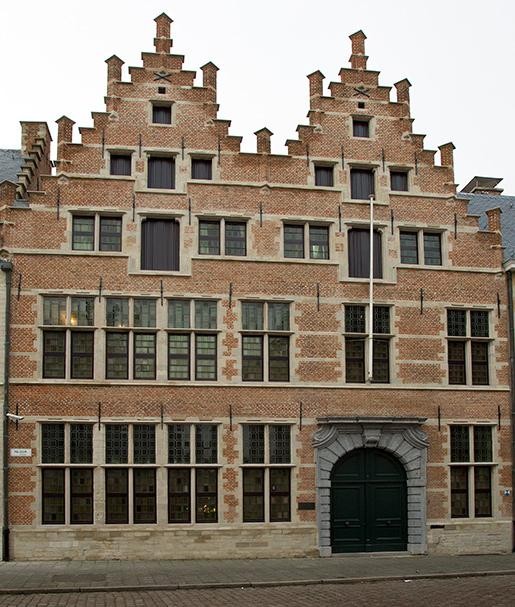
The house itself is a stunning example of Flemish Renaissance architecture. Originally constructed in the early 17th century, it showcases the grandeur favored by wealthy merchants and civic leaders of the era. The building's design reflects a harmonious blend of practicality and elegance, featuring a spacious courtyard, richly decorated rooms, and an inner garden – all designed to impress guests and reflect the status of its inhabitants. The layout is particularly noteworthy for its seamless integration of domestic life with artistic pursuits; Snyders’ studio was situated adjacent to his living quarters, allowing him constant access to his subjects and materials, while Rockox's office served as a hub for managing his political and financial affairs.
A Treasury of Flemish Masterpieces
The museum’s collection is remarkably focused, yet profoundly impactful. It centers around the works of Frans Snyders, whose dramatic still lifes – often depicting lavish banquets or hunting scenes – are particularly celebrated within the house. His mastery of chiaroscuro and his ability to capture the textures and details of opulent settings are immediately apparent. Alongside Snyders’ own paintings, visitors will encounter a selection of pieces from contemporaries and followers of Peter Paul Rubens, reflecting the artistic influence that permeated Antwerp during this period. Notably, the collection includes “Supper at the House of Burgomaster Rockox” by Frans Francken the Younger (1630), a lavish Baroque scene brimming with detail and drama – a testament to the era’s fascination with spectacle and abundance. The paintings themselves are not simply displayed; they're presented within meticulously recreated interiors, offering a tangible sense of how these works would have been experienced in their original context.
Echoes of a Political Patron
Beyond the art, the Snijders-Rockox House offers a fascinating glimpse into the life of Nicolaas Rockox, the influential mayor and art collector. The museum meticulously reconstructs his world through historical interiors – from the richly appointed dining room to the private study – showcasing furniture, textiles, and decorative objects that reflect the tastes and aspirations of a prominent civic leader. Rockox’s legacy is particularly evident in the collection of artifacts and artworks that belonged to him, revealing his role as a key figure in Antwerp society and a generous patron of the arts. The museum frequently features depictions of gatherings held at his home, offering insights into the social customs and political maneuvering of the time. These scenes provide a window into the world of 17th-century diplomacy and entertainment.
A Unique Immersive Experience
What truly distinguishes the Snijders-Rockox House from larger, more sprawling museums is its intimate scale and immersive quality. Visitors aren’t simply observing art; they're stepping back in time, wandering through rooms as if they were guests at a 17th-century banquet or attending a political gathering. The museum’s curators have painstakingly recreated the atmosphere of the house, paying attention to every detail – from the lighting and furnishings to the scent of beeswax candles and the sounds of period music. This careful attention to authenticity creates a powerful sense of connection between the past and the present, allowing visitors to truly appreciate the lives and times of Snyders and Rockox.
Beyond the Walls: Connections to Antwerp’s Artistic Heritage
The Snijders-Rockox House is intrinsically linked to other significant landmarks in Antwerp's artistic history. It shares a neighborhood with the Rockoxhuis, another museum dedicated to Nicolaas Rockox and his collection, creating a compelling narrative of two prominent figures who shaped the city’s cultural landscape. Furthermore, the house’s proximity to the port – as evidenced by the “Backyards of Old Houses in Antwerp in the Snow” painting by Vincent van Gogh – highlights the crucial role that commerce and trade played in fueling Antwerp's artistic development. A visit to the Snijders-Rockox House is therefore not just a journey into the past; it’s an exploration of Antwerp’s enduring legacy as a center for art, culture, and innovation.